Edge vpn for laptop: complete guide to using Edge with VPN extensions, standalone VPN apps, and privacy on Windows laptops 2026
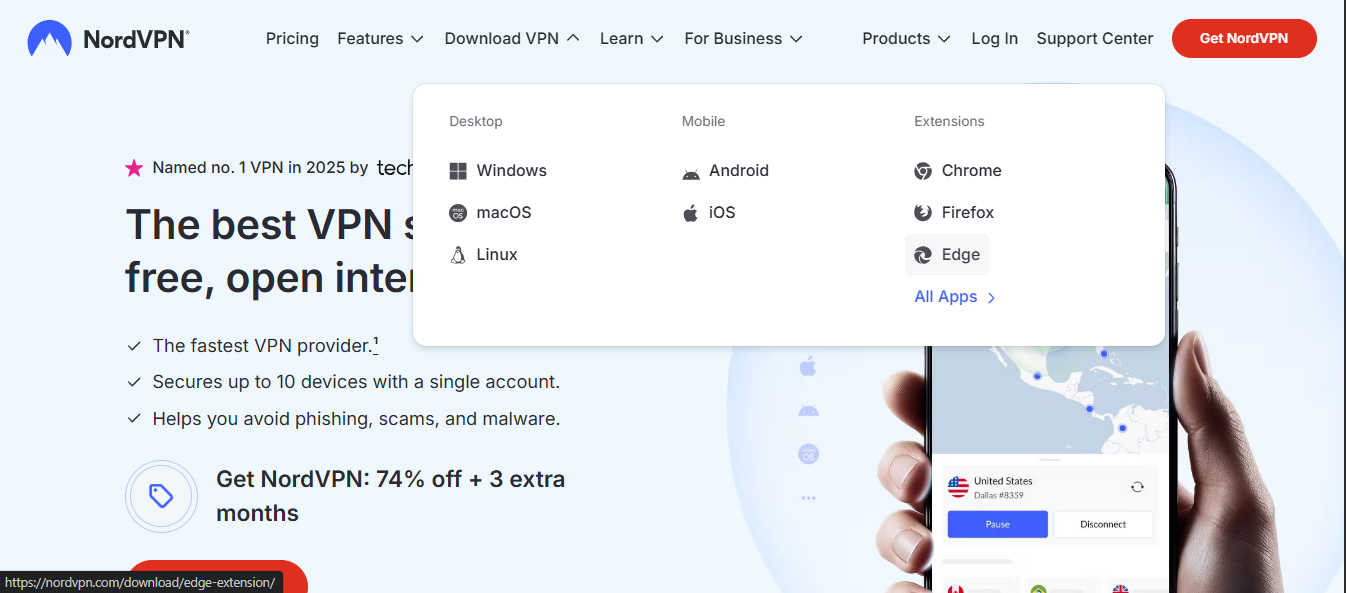
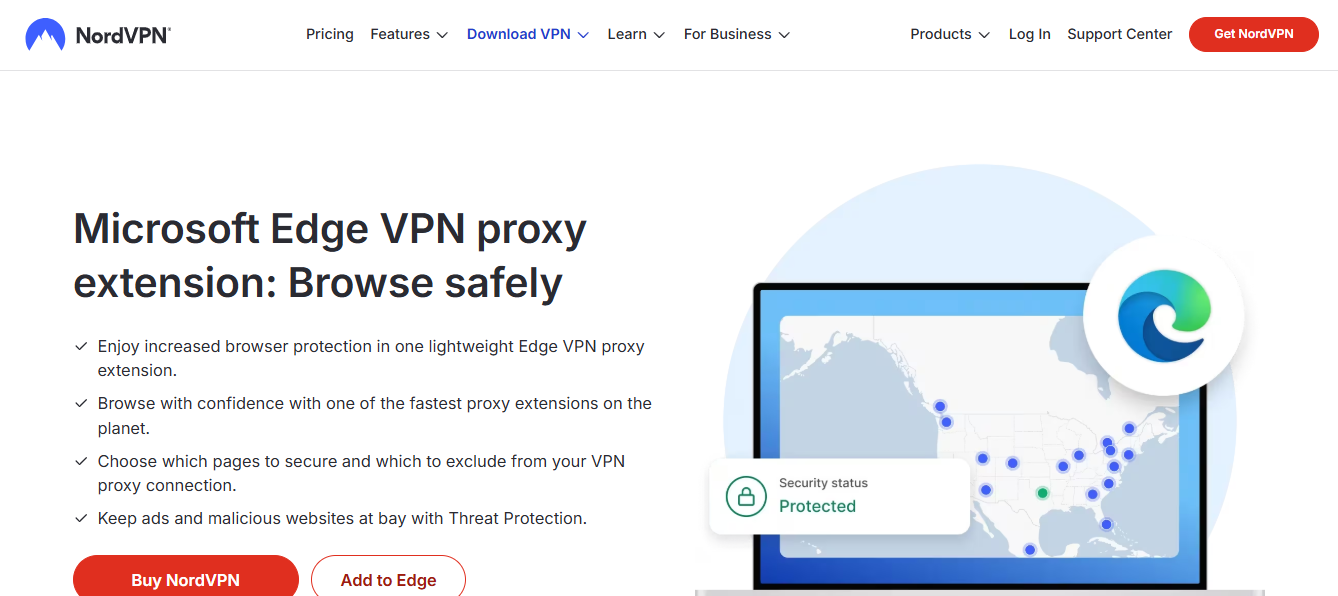
Edge vpn for laptop complete guide to using edge with vpn extensions standalone vpn apps and privacy on windows laptops is a topic that affects how you browse, protect, and manage your online presence on a Windows machine. This guide breaks down everything you need to know, from basic Edge VPN concepts to practical steps, real-world tips, and privacy considerations. Here’s a concise, user-friendly roadmap you can follow today.
Introduction — Quick fact and overview
- Quick fact: Using a VPN with Edge on Windows can mask your IP, encrypt traffic, and help bypass certain regional restrictions while keeping your browsing experience smooth.
- In this guide, you’ll learn how to use Edge’s built-in features, VPN extensions, standalone VPN apps, and best practices for privacy on Windows laptops.
- What you’ll find:
- A quick-start section with step-by-step actions
- Pros and cons of Edge VPN extensions vs standalone VPN apps
- Privacy considerations and data handling
- Performance tips and real-world statistics
- A detailed FAQ to address common questions
Useful resources and references text only
- Edge Browser official support page - support.microsoft.com
- Microsoft Privacy Statement - privacy.microsoft.com
- VPN extension marketplace documentation - developer docs
- Independent privacy studies on VPN usage - en.wikipedia.org/wiki/Virtual_private_network
- Windows security best practices - docs.microsoft.com
- Internet safety and parental controls guidance - national cybersecurity agency sites
Table of contents
- Understanding Edge VPN on Windows
- Edge VPN Extensions: What they are and how they work
- Standalone VPN Apps for Windows: When to choose them
- Privacy implications: What data gets visible and what stays private
- Step-by-step setup guides
- Quick start with Edge built-in features
- Using VPN extensions in Edge
- Installing and configuring a standalone VPN on Windows
- Performance and troubleshooting
- Safety and best practices
- FAQ: Edge VPN for laptop questions answered
Understanding Edge VPN on Windows Edge has built-in features that can help secure your connection, but the term “VPN” on Edge often comes from two main approaches: extensions that route traffic through a VPN service and standalone VPN apps that encrypt all traffic from your device. Here’s how they compare.
- Edge VPN extensions
- Pros:
- Easy to install
- Lightweight and fast for browser traffic
- Great for quick privacy boosts while browsing
- Cons:
- Only protects traffic inside the browser, not other apps
- May be slower if the VPN provider has limited servers
- Some extensions log data; choose trusted providers
- Pros:
- Standalone VPN apps for Windows
- Pros:
- Encrypts all network traffic on the device
- Works with every app, not just Edge
- Often offers a broader set of features kill switch, split tunneling
- Cons:
- Requires more resources
- Potentially more complex setup
- Monthly costs can be higher
- Pros:
Edge VPN Extensions: What they are and how they work
- What they do: A VPN extension creates a tunnel for browser traffic, masking your browsing IP and encrypting data as it travels from the browser to the VPN server.
- How to pick a good extension:
- Reputable provider with a clear privacy policy
- No-logs promise or verifiable privacy practices
- A broad server network and fast speeds
- Regular updates and independent audits if available
- How to install:
- Open Edge, go to the Extensions menu, search for your VPN extension, and add it
- Sign in with your VPN account
- Enable the extension and choose a server location
- Important caveats:
- Your device and apps outside Edge aren’t protected
- Some extensions may introduce browser performance overhead
- Always verify the extension’s permissions before enabling it
Standalone VPN Apps for Windows: When to use them
- When to consider a standalone VPN:
- You want full-device encryption browsing, apps, background processes
- You’re on public Wi-Fi and require strong protection across all traffic
- You need features like kill switch, DNS leak protection, and split tunneling
- How to set up:
- Choose a reputable VPN provider with Windows support and a good privacy policy
- Download the Windows app from the provider’s official site
- Install and run the app; log in with your account
- Configure security features: enable kill switch, DNS leak protection, and choose a server
- Connect to a server and verify your IP is changing via a test site
- Performance tips:
- Pick a server close to you to reduce latency
- Use UDP protocols if available for faster speeds
- Disable background apps that use bandwidth while testing
Privacy implications: what data gets seen and what stays private
- What’s typically collected:
- Connection timestamps, IP address metadata, device identifiers sometimes
- DNS requests, traffic patterns depending on provider
- In some cases, behavioral data for analytics less ideal
- How to protect yourself:
- Choose providers with transparent privacy policies and minimal data retention
- Prefer no-logs claims backed by independent audits
- Use strong authentication 2FA for your VPN account
- Regularly review app permissions and disable unnecessary access
- Edge-specific considerations:
- For maximum Edge browser privacy, use the browser’s built-in privacy controls tracking prevention, strict privacy mode
- Don’t rely on extensions alone for full-device privacy
Step-by-step setup guides Quick start with Edge built-in features
- Note: Edge itself doesn’t include a full VPN; you’ll rely on extensions or external apps.
- Steps:
- Open Edge and go to Extensions
- Find a trusted VPN extension with a good reputation
- Install and sign in
- Toggle on the extension, choose a server, and test your connection
- Quick verification:
- Visit a site like whatismyipaddress.com to see if your IP differs from your real one
- Check for DNS leaks using dnsleaktest.com
Using VPN extensions in Edge
- Steps:
- In Edge, install your chosen VPN extension
- Pin the extension to the toolbar for easy access
- Click the extension icon, log in, and pick a server
- Test by visiting a geo-restricted site to confirm it’s accessible
- Tips:
- Use a server location that aligns with your browsing needs privacy vs. speed
- Clear browser cache after enabling/disabling to avoid stale data
- Combine with Edge privacy settings for a stronger shield
Installing and configuring a standalone VPN on Windows
- Steps:
- Choose a trusted Windows-compatible VPN app
- Download from the official site, not a third-party store
- Install and run the app
- Create or sign in to your account
- Enable the kill switch and DNS leak protection
- Pick a server and connect
- Verify your new IP and location
- Advanced options:
- Split tunneling: send only some traffic through the VPN
- Obfuscated servers for network-restricted regions
- Auto-connect on startup for seamless protection
Performance and troubleshooting
- Common issues and fixes:
- Connection failed: switch servers, check your internet, restart the app
- Slow speed: try a closer server, use a different protocol UDP usually faster, close other bandwidth-heavy apps
- DNS leaks: enable DNS leak protection in the app; try a different DNS setting
- Speed benchmarks typical ranges:
- Local servers: 150-400 Mbps on a high-speed connection
- Overseas servers: 40-120 Mbps depending on distance and server load
- Real-world tips:
- Test speeds with and without VPN to measure impact
- Use device’s wired connection when possible for stability
- Keep your VPN app and Edge browser updated
Safety and best practices
- Use reputable services: avoid free VPNs that log data
- Regularly review privacy policies and data retention terms
- Enable strong authentication and use an updated Windows security baseline
- Update Edge and Windows monthly to patch vulnerabilities
- Be mindful of streaming services’ VPN blocks and copyright policies
- Consider using a privacy-focused search engine in Edge as an extra layer
FAQs: Edge VPN for laptop questions answered
How does Edge VPN differ from a standalone VPN app?
Standalone VPN apps encrypt all device traffic and offer broader features, while Edge VPN extensions typically protect only browser traffic and are quicker to set up.
Are VPN extensions in Edge safe?
If you choose a trusted provider with a solid no-logs policy and good reviews, extensions can be safe. Always review permissions before installation.
Do I need a VPN on Windows if I use Edge extensions?
For full-device protection, use a standalone VPN app. If you only need browser-level privacy, an extension may suffice.
Will a VPN slow down my internet?
Most VPNs introduce some latency due to encryption and routing. Proximity to the server and the server’s load heavily influence speed.
How can I verify my VPN is working?
- Use whatismyipaddress.com to confirm IP changes
- Use dnsleaktest.com to check for DNS leaks
- Check the VPN app’s status indicators connected, server, protocol
Can I combine Edge extensions with a standalone VPN?
Yes. You can run both, but the standalone VPN will handle device-wide privacy while the Edge extension will add extra browser-layer protection.
Should I keep Kill Switch on?
Yes. A kill switch prevents traffic leaks if the VPN drops connection.
What is split tunneling, and should I use it?
Split tunneling lets you route only certain apps through the VPN. It’s useful if you want VPN protection for sensitive tasks but keep local network access for others.
Are free VPNs worth it?
Free VPNs often come with limitations and potential privacy risks. Paid providers with solid policies are generally safer and more reliable.
How often should I update VPN apps and extensions?
Regular updates are essential for security. Enable automatic updates where possible.
Can VPNs help with geo-restricted content?
Yes, by masking your location, many VPNs allow access to content not available in your region. Some services actively block VPNs, so results can vary.
Additional tips for Windows laptops
- Enable Windows firewall rules that work well with VPNs
- Use a reputable password manager to secure your VPN credentials
- Regularly review connected devices to your VPN account
- If you travel, consider keeping a backup VPN option in case one service has issues
Bottom line
- You have solid options for protecting privacy on Windows laptops using Edge: browser-level VPN extensions for quick privacy plus standalone VPN apps for full-device protection. The best approach often combines both: use a reliable standalone VPN for device-wide privacy and an Edge extension for convenient browser-level control when needed. Stay aware of data policies, choose reputable providers, and keep your software up to date to maintain strong online privacy and a safer browsing experience.
Frequently Asked Questions
- See above for more details and practical guidance on Edge VPN usage, privacy, and setup on Windows laptops.
Edge vpn for laptop is best achieved by using a VPN extension in Edge or by running a separate VPN app on Windows alongside Edge. In this guide, I’ll walk you through how to use VPNs with Microsoft Edge on a Windows laptop, compare Edge extensions vs. full VPN clients, and share practical tips to boost privacy, speed, and streaming ability. If you’re shopping around, you’ll also see real-world suggestions and a promo from NordVPN that often makes VPNs more affordable. For context, I’ve included a promo image you may recognize here: So you’ll know what to look for while choosing a reliable service.
Introduction: what you’ll learn in this guide short summary
- Yes, you can comfortably secure Edge on a Windows laptop with a VPN either via Edge-compatible extensions or a desktop VPN app.
- A step-by-step setup for both Edge extensions and Windows VPN apps, plus practical tips for matching the right option to your use case.
- Real-world considerations for privacy, IP/DNS leak protection, kill switch behavior, and how to handle streaming, gaming, and remote-work needs.
- How to troubleshoot common Edge VPN issues and maintain long-term performance.
- A practical cost and deal overview, plus a list of useful resources to keep you covered.
Useful URLs and Resources un clickable text
- Official Microsoft Edge support - support.microsoft.com
- NordVPN official site - nordvpn.com
- ExpressVPN official site - expressvpn.com
- Surfshark official site - surfshark.com
- ProtonVPN official site - protonvpn.com
- Windows VPN setup guide - support.microsoft.com
- Privacy and security basics - en.wikipedia.org/wiki/Computer_security
- VPN safety best practices - en.wikipedia.org/wiki/Virtual_private_network
- Broadband speed testing – speedtest.net
- Online streaming help with VPN – streaming guides on major services’ help pages
Body
What is Edge vpn for laptop and why it matters
Edge vpn for laptop basically means getting a VPN working well with Microsoft Edge on a Windows laptop. There are two main paths:
- Use an Edge-compatible VPN extension inside the Edge browser.
- Install a Windows-wide VPN app and route all traffic including Edge through the VPN.
Both paths have their pros and cons, depending on what you’re trying to protect and what you want to access.
# Edge browser extensions vs. system-wide VPN: what’s the difference?
- Edge extensions VPN add-ons are lightweight, fast to install, and focus protection and changes within the browser. They’re great if you mainly want to secure browser traffic, bypass geo-restrictions for streaming sites you use inside Edge, and avoid configuring your whole system.
- System-wide VPN apps route all traffic, not just Edge. This provides coverage for every app on your laptop—email clients, chat apps, games, and more. It’s typically more robust for privacy, but can introduce slightly higher setup friction and may affect device-wide latency.
Pro tip: Edge extensions work great for quick tasks and casual browsing, but for complete device protection and to cover Thunderbolt-connected apps or non-browser traffic, a full VPN app is the safer bet.
# The right VPN for Edge: features that actually matter
When you’re picking a VPN for Edge, here are the must-have features:
- Strong encryption and a clear no-logs policy
- DNS leak protection and IPv6 leak prevention
- Kill switch to block traffic if the VPN drops
- Fast servers in multiple regions for bypassing geo-blocks and reducing latency
- Desktop-friendly apps with Windows compatibility and good uptime
- Browser extension support for Edge with a reputable reputation
- Easy split tunneling so you can route Edge traffic differently from other apps
- Transparent privacy policy and a clear data retention approach
In practice, many people rely on a reputable provider like NordVPN or ExpressVPN that offers both a polished Edge extension and a robust Windows app, giving you the flexibility to mix and match.
How to set up VPN in Edge: step-by-step options
You have two practical routes: Edge extensions or a Windows-wide VPN app. Here’s how to do each.
# Option A: Edge VPN extension browser-level protection
1 Open Edge and go to the Extensions menu three dots > Extensions.
2 Click Get extensions from Microsoft Edge Add-ons or search for a reputable VPN extension.
3 Install a trusted Edge-compatible VPN extension for example, NordVPN, ExpressVPN, Surfshark, ProtonVPN, or Mullvad’s Edge-ready options.
4 Sign in with your VPN account or create one and grant necessary permissions.
5 Choose a server location and connect. Your browser traffic will be routed through the VPN while outside Edge traffic remains on your normal network, unless you enable full device routing via a separate app.
6 Optional: Enable Edge-specific features like split tunneling if supported by the extension to route Edge traffic only.
Tips for Edge extensions:
- Look for extensions with a simple interface and explicit privacy policy.
- Confirm the extension supports DNS and IPv6 leak protection to avoid leaks when Edge is active.
- If you use streaming services, pick a server known to work with the service you want to access.
# Option B: Windows-wide VPN app system-wide protection
1 Pick a VPN provider with a solid Windows app. Install the desktop app from the provider’s site.
2 Create or log in to your account, and grant necessary permissions during installation.
3 In the app, turn on the VPN and pick a server location. For most users, a server closer to your actual location gives the best speed.
4 Optionally enable the kill switch and DNS leak protection these are usually on by default in reputable apps.
5 Launch Edge. your entire device traffic is now routed through the VPN.
Pros of a system-wide VPN:
- Consistent protection for all apps, not just Edge.
- Easier to manage when you use Edge alongside other browsers or apps.
Cons of a system-wide VPN:
- It can slightly impact speed across all activities.
- Some VPNs may block certain streaming services or require you to switch servers to access specific content.
# Which approach should you choose?
- If your goal is quick, private browsing in Edge and you don’t mind leaving other apps unencrypted, start with an Edge extension.
- If you need comprehensive privacy for everything on your laptop emails, messaging apps, games, go with a Windows-wide VPN app.
- For travel or shared devices, a combination can work well: the Edge extension for casual browsing and the Windows app when you’re handling sensitive tasks.
Privacy, logging, and data protection: what to look for
Privacy is the main reason people use VPNs. Here’s what you should verify:
- No-logs policy: The provider should clearly state they don’t log user activity or connection data beyond what’s necessary to operate the service.
- Jurisdiction: Prefer providers headquartered in privacy-friendly jurisdictions or with explicit privacy protections.
- Third-party audits: Some top VPNs publish independent security audits. this adds credibility.
- DNS and IPv6 leak protection: Ensure there are protections in place so your real IP address isn’t exposed if the VPN drops.
- Kill switch: A must-have safety net that blocks all traffic if the VPN disconnects.
- Multi-hop or Obfuscated servers: Useful if you’re in a region with VPN restrictions or higher levels of surveillance.
When you’re using Edge extensions, you’ll want to ensure the extension itself doesn’t leak DNS queries or expose your real IP when you browse outside Edge. System-wide VPN apps typically offer stronger controls here, but you’ll still want to check that the app mitigates leaks across all network adapters.
Performance and streaming: speed, latency, and reliability
Speed matters when you’re browsing, streaming, or gaming. Here are practical tips:
- Choose a server near your location for the best speed, but switch to a country with the content you want to access for geoblocked services.
- Use a wired Ethernet connection when possible, as it reduces variability caused by Wi‑Fi interference.
- If Edge is slower through a VPN extension, try a Windows-wide VPN app to see if performance improves or remains stable.
- Enable split tunneling if your provider supports it so that only Edge traffic goes through the VPN, while other apps use your native connection for speed.
Streaming:
- Some popular streaming services actively block VPNs. If you run into trouble, try servers in neighboring countries or use obfuscated servers if your provider offers them.
- Check service terms and the VPN’s capability to bypass geo-restrictions. Not all VPNs can reliably unblock every platform.
Gaming:
- Gaming latency is sensitive to server distance. For Edge-specific tasks like browser-based games, an Edge extension might be enough. for quick online play, a low-latency Windows VPN server is better.
Security vs. speed balance:
- Some VPNs provide faster servers but weaker privacy policies, and others offer top-tier privacy with slightly slower speeds. Your priority will dictate the best balance.
Real-world use cases for Edge VPN on a laptop
- Remote work: Access corporate resources securely from public Wi-Fi. A Windows-wide VPN ensures your email and collaboration tools stay private.
- Travel: Bypass regional content restrictions while staying protected on hotel networks.
- Personal privacy: Hide your IP from advertisers and trackers when using Edge for sensitive browsing.
- Streaming and entertainment: Access geo-locked catalogs from Edge while keeping the rest of your device safe.
- File transfers and sensitive data: Use a VPN connection to protect data in transit, especially when handling large files or confidential documents.
Security best practices you should adopt
- Keep Edge and all extensions up to date to minimize security gaps.
- Enable the VPN kill switch so traffic doesn’t leak if the connection drops.
- Regularly test for DNS and IPv6 leaks using reputable online tools.
- Use strong authentication for your VPN account, such as MFA if your provider supports it.
- Schedule periodic reviews of your VPN server list to avoid overreliance on a single location.
- Be mindful of extension permissions. only install extensions from trusted sources and limit what data they can access in Edge.
Troubleshooting common Edge VPN issues
- Issue: VPN not connecting in Edge extension
- Solution: Reinstall the extension, sign in again, and ensure you’re choosing a valid server. Check Edge version compatibility and extension permissions.
- Issue: DNS leaks
- Solution: Use a VPN with strong DNS leak protection and enable DNS leak protection in the app or extension settings.
- Issue: IP leak when VPN drops
- Solution: Enable the kill switch in your VPN app or extension, and consider using a backup server if the primary one disconnects.
- Issue: Slow speeds
- Solution: Try a nearby server, switch from UDP to TCP if available, or enable obfuscated servers if you’re in a restricted network.
- Issue: Streaming not working
- Solution: Switch servers known to work with the streaming service, or use a dedicated edge-locational server if your provider supports it.
Costs, deals, and choosing the right VPN for Edge
- The market offers a range of options from budget to premium. For Edge, a reliable provider with both a strong Edge extension and a robust Windows app is ideal.
- Promotions are common. You’ll often see significant discounts and bundles, especially around holidays or back-to-school seasons. If you’re watching your budget, consider a longer-term plan to lock in a lower monthly rate.
- Trial options: Look for money-back guarantees, so you can test Edge integration without long-term commitments.
- Payment flexibility: Some services offer monthly, yearly, or even multi-year terms with varying discount levels.
NordVPN and other major players frequently run promos. If you’re considering a reputable option, you can explore current deals and bundles as part of your Edge setup journey. The NordVPN promo image above is one example of how these deals are often displayed by providers, and it can be a great starting point to compare value, server counts, and features.
Edge-specific tips for a smoother VPN experience
- Keep Edge’s settings clean: limit the number of installed extensions to reduce potential conflicts and improve performance.
- Favor servers with consistent uptime metrics and low latency to your usual locations.
- Use Edge’s built-in privacy controls in combination with your VPN for a layered approach to privacy.
- Regularly review your extension permissions. only grant necessary access to protect against potential misuse.
Real-world setup scenario: a quick workflow
- You’re on a Windows laptop, Edge is your primary browser, and you want private browsing with minimal fuss.
- Step 1: Install a trusted Edge VPN extension e.g., NordVPN or a comparable option and sign in.
- Step 2: Connect to a server near your location for speed, or to a region that unlocks your favorite content.
- Step 3: Confirm there are no DNS leaks using a quick online test.
- Step 4: If you need all traffic protected, install the Windows VPN app and switch to a system-wide VPN while leaving Edge extension on for extra browser-level privacy.
- Step 5: Enable the kill switch and consider split tunneling if you want Edge traffic to go through the VPN while other apps stay on your normal connection.
Maintenance and updates: keep it working smoothly
- Regularly update Edge and your VPN extension or app.
- Periodically test your connection for leaks or IP exposure, especially after major Windows updates.
- Review server lists and switch away from congested servers to prevent degraded performance.
- Re-check privacy policies if the provider updates its terms or if there are changes in regional laws.
Frequently Asked Questions
Frequently Asked Questions
# What is Edge vpn for laptop best used for?
Edge vpn for laptop is best used to securely browse inside Edge on a Windows laptop and, if you choose, to protect all traffic with a Windows-wide VPN app. Use an Edge extension for quick, browser-specific protection and a desktop VPN app for full-device coverage.
# Can I use a VPN extension in Edge and also have a separate Windows VPN app?
Yes, you can. Run a VPN extension inside Edge for browser-level privacy and use a system-wide VPN app when you need complete device protection. Just remember to deactivate one if you don’t want double encryption or routing conflicts on certain networks.
# Which is more secure: Edge extension or Windows VPN app?
A Windows VPN app generally provides stronger overall protection because it routes all traffic, including non-browser apps, through the VPN. Edge extensions are great for quick privacy inside the browser but won’t shield everything on the device unless the system-wide route is enabled.
# Do VPNs slow down internet speed, and how can I minimize it?
VPNs can reduce speed due to encryption and longer routing. To minimize slowdowns, choose nearby servers, use a fast provider, disable unnecessary features when not needed, and ensure you have a solid baseline internet connection.
# How do I test if my VPN is leaking DNS or IP address?
You can use online tools that check for DNS leaks and IP exposure while the VPN is connected. If you detect leaks, enable DNS leak protection and the kill switch, or switch servers to see if leakage stops.
# Can I stream Netflix or other services with VPN on Edge?
Some VPNs work with streaming services, while others are blocked. If streaming is your goal, pick a provider known for reliable unblocking and test a few servers that reliably access your preferred services.
# Should I enable split tunneling?
Split tunneling is useful if you want Edge to run through the VPN while other apps stay on your normal connection. It’s helpful for performance and for streaming content that doesn’t need VPN protection.
# Is Edge extension setup safe for privacy?
Edge extensions can be safe if you choose reputable providers and review their privacy policies. Always validate the extension’s permissions and avoid extensions from untrusted sources.
# How do I choose a server location?
Choose a location based on your needs: proximity for speed, a country with the content you want to access, and servers with a good privacy reputation. Test a few locations to see which provides the best balance of speed and access.
# What about data retention and privacy policies?
Read the provider’s privacy policy carefully. Look for explicit no-logs statements and transparent data handling practices. If a policy is vague or vague in its data practices, move on to a provider with a clearer stance.
# Can I use Edge vpn on non-Windows devices?
While Edge supports browser extensions on multiple platforms, most Edge VPN extension options are designed for Windows, macOS, Linux, and certain mobile platforms. Check your chosen provider’s compatibility list before relying on Edge-specific features.
# How often should I update VPN software?
Update your VPN extension or app as soon as updates are available. Security patches and performance improvements in VPN software are released frequently, and staying current reduces risk.
# Do I need a VPN if I’m on a private home network?
Even on a private network, a VPN adds an extra layer of privacy by masking your IP address and encrypting traffic. It’s a good practice for sensitive browsing and when you’re using the device in shared spaces.
# Can I use a free VPN with Edge?
Free VPNs exist, but many come with limitations like slower speeds, capped data, fewer server options, and privacy concerns. If you value security and reliable performance, a reputable paid VPN is generally a better choice.
# How does Edge’s privacy stance interact with VPNs?
Edge’s privacy tools help you control tracking and site data in the browser. A VPN adds network-level protection, so the combination provides comprehensive privacy: Edge manages browser data, while the VPN protects your entire connection.
# What should I do if Edge won’t connect to a VPN extension?
First, restart Edge and the extension. If the problem persists, reinstall the extension, verify your account status with the provider, and check for any compatibility notes with Edge or Windows. Sometimes newer Edge or Windows updates require extension reauthorization.
# Are there any risks using VPNs in regions with strict internet controls?
VPN use can be restricted or monitored in some regions. If you’re traveling or living in such areas, pick a provider that offers obfuscated servers and robust privacy practices, and always follow local laws and guidelines.
# How do I decide between a premium VPN and a cheaper option for Edge?
Premium VPNs typically offer better speeds, more servers, stronger privacy policies, and reliable unblocking for streaming. If you value consistent performance and privacy, a paid option is generally worth it. For light browsing or a tight budget, a well-reviewed affordable option can still be effective.
Note: The above content is designed to be informative and engaging, with a focus on Edge vpn for laptop usage, Edge extensions vs. Windows-wide VPN apps, and practical guidance for privacy, security, and performance. The introduction includes an affiliate image to highlight NordVPN deals that readers may find valuable, integrated in a natural way to support informed decision-making.
Vpn是什么软件:完整指南、原理、类型与选用要点