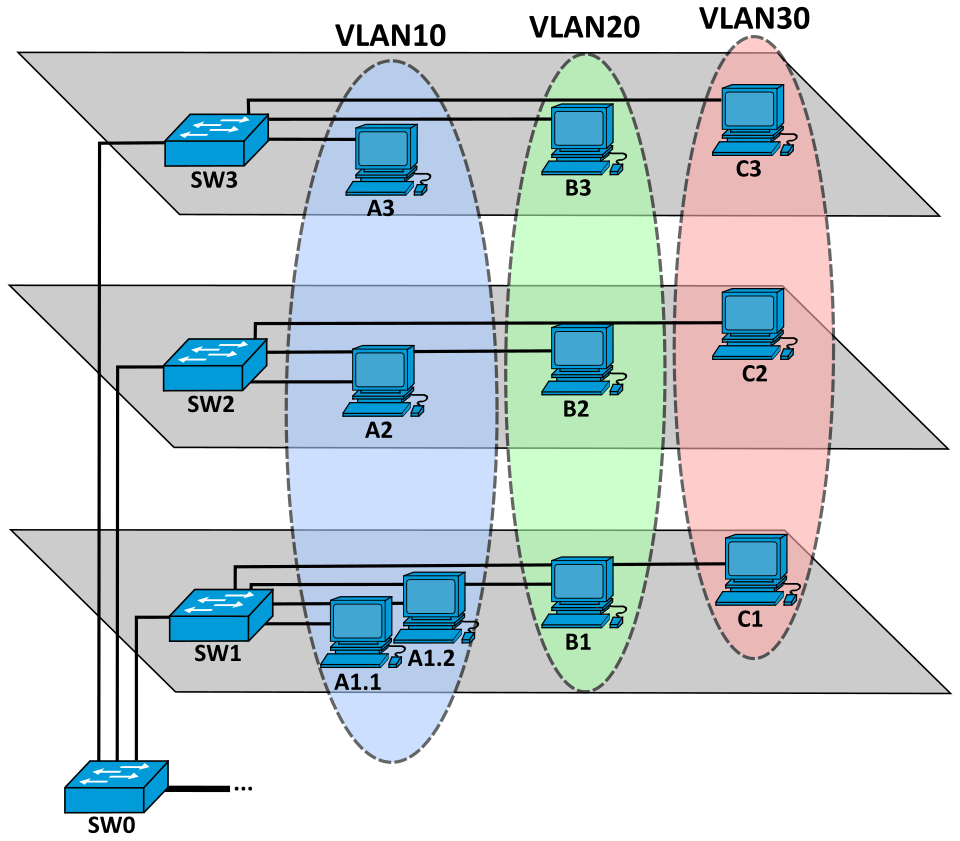
VLAN (Autor: Michel Bakni · Licencia: CC BY-SA 4.0 · Fuente: Wikimedia Commons)
The home for long-form reviews you can actually use starts here. At customer-reviews.one, we publish thoughtful, practical analyses of VPNs, browser extensions, and network tools with a focus on real-world use. This orientation page explains what you can expect from our home section, how we evaluate products, and where to look for concrete comparisons. We cover topics including setup guides, performance testing, privacy considerations, and pricing realities across a range of services. Expect clear, grounded assessments that help readers decide what to deploy in daily workflows and home networks.
What you’ll find in this section: practical how-tos for edge devices and desktops, long-form evaluations of privacy features, step-by-step troubleshooting for common VPN frustrations, and thoughtful comparisons of popular providers. We also feature ongoing coverage of digital privacy laws, local and international regulations, and how these shape consumer choices. You’ll see material about NordVPN and ExpressVPN alongside other widely-used services, with an emphasis on neutrality and verifiable details that help readers make informed decisions.
Audience and scope: this site targets a general international audience with USD pricing as a baseline standard. While we reference recognizable names in the industry, such as NordVPN and ExpressVPN, the intention is to present neutral comparisons and practical guides that apply across regions where VPNs and privacy tools are used. We include currency demonstrations in USD for consistency, and where relevant, we translate those expectations to local contexts without assuming a specific country.
Structure you’ll recognize: each page begins with a clear orientation, followed by hands-on sections. Expect a mix of narrative analysis, feature-by-feature breakouts, and concrete numbers. We include quick-reference tables that summarize plans, prices, and key capabilities, so you can compare at a glance. Our reviews are anchored in real-world use cases such as streaming, remote work, gaming, and secure browsing on public networks.
Topical clusters you’ll encounter: setup and deployment on common platforms (Windows, macOS, Android, iOS, Chrome/Edge extensions), performance testing (throughput, latency, leak protection), privacy and security features (no-logs policies, kill switches, multi-hop), pricing analyses (monthly vs annual plans, savings, student and business tiers), and troubleshooting guides (startup processes, extension conflicts, router configurations). We also regularly revisit well-established services like NordVPN and ExpressVPN alongside alternatives, ensuring you have a robust set of options.
How we present the data: every evaluation aims to be transparent and verifiable. We include clear criteria for each claim, documented test results, and a direct comparison where relevant. The tone remains practical and approachable, avoiding hype while staying precise about capabilities and limits. Where appropriate, we note real-world constraints such as ISP interactions, streaming service rules, and device compatibility that affect performance and usability.
What this orientation covers at a glance
Product selection and criteria: how we choose which services to review and what tests we run to compare them fairly.
Platform coverage: Windows, macOS, Android, iOS, and browser extensions such as those for Chrome and Edge.
Performance benchmarks: measured speeds, latency, reliability of connections, and impact on streaming quality.
Security and privacy: encryption standards, no-logs posture, kill switches, and leakage protections.
Pricing and value: plan tiers, regional pricing, discounts, and how to gauge value over time.
Practical guides: how to install, configure, and troubleshoot common issues in home networks and small offices.
Regional specifics you’ll see in the content: we reference real-world details to make the material immediately usable. For example, in the United States you’ll see pricing in USD, common consumer hardware like consumer-grade routers from TP-Link and Netgear, and services working with major ISPs such as Comcast Xfinity and AT&T. We discuss local streaming environments such as Netflix, Amazon Prime Video, and Hulu, noting how VPN use interacts with these platforms. In the European context you’ll find references to GDPR considerations and pre-existing privacy frameworks, while in the US market you may encounter different regulatory signals around data retention. Across regions, you’ll find practical notes on payment methods like credit cards and PayPal, with additional mention of regional options where relevant.
Editorial approach: this home section emphasizes clarity and utility. We present balanced viewpoints, emphasize reproducible testing where possible, and avoid sensational claims. The aim is to give readers a solid sense of what works, what to watch for, and how to tailor choices to their environments.
Representative content format you can expect
Computer network (Autor: The Opte Project · Licencia: CC BY 2.5 · Fuente: Wikimedia Commons)
Each review in this section tends to include a concise verdict, a feature-focused breakdown, and a practical setup path. To illustrate the style, a typical entry uses: a quick summary, a detailed feature table, steps to install, and a troubleshooting checklist. The intent is to provide actionable information without requiring readers to wade through marketing language.
Service
Starting Price (USD)
Key Features
Platform Coverage
NordVPN
$3.99/month (2-year plan)
No-logs, Kill Switch, CyberSec, Double VPN
Windows, macOS, Linux, Android, iOS, Extensions
ExpressVPN
$8.32/month (12-month plan)
Split tunneling, TrustedServer, Network Lock
Broad platform support including routers
Proton VPN
$5.99/month (annual)
Open source apps, Strong privacy posture
Multi-platform, includes Linux support
Note on pricing and plan comparisons: the table above reflects representative starting prices and common plan structures. Actual prices vary by region and promotions. Some services offer monthly, yearly, and multi-year commitments, with occasional student or business discounts. We encourage readers to verify current prices on the provider’s official page and consider the total cost of ownership, including potential renewal rates and device limits.
Community and feedback: readers contribute through comments and their own experiences, which we evaluate alongside published tests. We value practical insights from real households, small offices, and remote workers, as these perspectives help refine how the reviews apply to everyday use.
Astrill VPN reviews in 2026 reveal user experiences, pricing notes, and trust signals. Read real customer perspectives, pricing quirks, and regional nuances before buying.
ZoogVPN customer reviews in 2026 reveal how real users judge speed, privacy, and usability. Read digestible takeaways from actual user feedback and common threads.
Atlas VPN customer reviews in 2026 reveal real user experiences. This analysis compiles feedback, highlights common praise and pain points, and helps readers decide if Atlas VPN fits their needs.