Free browser vpn edge: best free browser VPN extensions for Edge, Chrome, and Firefox in 2026
Free browser vpn edge best free browser vpn extensions for edge chrome and firefox in 2025 — your quick guide to choosing safe, fast, and reliable VPN extensions for your browsing needs across Edge, Chrome, and Firefox.
Free browser vpn edge best free browser vpn extensions for edge chrome and firefox in 2025
- Quick fact: using a VPN extension can dramatically improve your privacy online without requiring a full VPN app.
- This guide explains which free extensions actually work, how to use them safely, and what to watch out for in 2025.
- What you’ll get:
- A side-by-side comparison of top free VPN extensions for Edge, Chrome, and Firefox
- Real-world performance data and privacy notes
- Practical steps to install, test, and optimize VPN extensions
- Common pitfalls and what to avoid
- Formats you’ll find here:
- Quick-fact summaries, bullet lists, and step-by-step setup
- A small table with speeds, server options, and logging policies
- A FAQ section at the end to answer common questions
Useful URLs and Resources text only Apple Website - apple.com Artificial Intelligence Wikipedia - en.wikipedia.org/wiki/Artificial_intelligence Mozilla Add-ons - addons.mozilla.org Chrome Web Store - chrome.google.com/webstore Edge Add-ons - microsoft.com/en-us/store/browse/?q=extension Privacy Policy examples - iacc.org/privacy VPN privacy reports - vpnprivacyreports.org Security blogs - krebsonsecurity.com Electronic Frontier Foundation - eff.org
Why use a VPN extension instead of a full VPN app?
- Convenience: One click and you’re protected on that tab.
- Resource-light: It uses less CPU and memory than a full VPN client.
- Quick tests: Great for checking geo-restricted content on a per-tab basis.
But there are trade-offs:
- Free VPN extensions often have data caps, slower speeds, and limited server options.
- Privacy risk: Some free extensions log data or inject ads.
- Security caveats: Not all extensions support strong encryption or leak protection.
How I evaluate free VPN extensions for Edge, Chrome, and Firefox
- Privacy policy clarity: Look for explicit data collection details and whether logs are kept.
- Encryption standards: OpenVPN, WireGuard, or other modern protocols are a plus.
- Server coverage: More is better, but free plans typically offer a handful of locations.
- Speed and reliability: Free services often throttle speeds; real-world tests matter.
- Browser compatibility: Ensure it works well across Edge, Chrome, and Firefox if you switch browsers.
- No-logs promises and independent audits: A strong signal of trust.
Top free browser VPN extensions to consider in 2025
Here’s a practical snapshot of popular options. Note: free tiers vary by browser and time, so check current offers.
1 Privacy-first free VPN extensions Edge, Chrome, Firefox
- Pros:
- Clear privacy policies and minimal logs
- Decent speeds on short sessions
- Cons:
- Data caps and limited server access on free plans
- Best for: Quick browsing, streaming in short bursts, avoiding geoblocks for a single session
- Example stats typical:
- Data cap: 500 MB to 2 GB per month
- Servers: 3–10 locations on free plans
- Encryption: AES-256
- Quick setup:
- Install extension from the browser store
- Create a free account if required
- Pick a location and connect
- Verify your IP has changed using a site like ipinfo.io
2 Lightweight VPN extensions with decent free options
- Pros:
- Good balance of speed and privacy
- Easy-to-use interface
- Cons:
- Some servers may be congested during peak times
- Best for: Casual browsing and social media without heavy streaming
- Quick setup:
- Add to browser, sign in if needed, choose location, connect, test with a speed test site
3 Free trial-enabled extensions limited time
- Pros:
- Access to premium features for a short window
- Cons:
- After trial, you must upgrade or lose features
- Best for: Sudden geo-restriction needs or short-term projects
- Tip: Set a calendar reminder before trial ends to avoid auto-renewal
4 Browser-integrated VPNs from credible security brands
- Pros:
- Often better privacy practices and clearer policies
- Cons:
- Free tiers can be limited
- Best for: Users who want a more trustworthy brand with robust security
- Setup tip: Review permissions requested by the extension and disable unnecessary features
5 Firefox-specific extensions with strong privacy posture
- Pros:
- Often more transparent about data handling
- Good for users who value open-source options
- Cons:
- Might lack features found in Chrome/Edge equivalents
- Setup tip: Check the extension’s permissions and enable per-tab protection if available
Features that matter most for 2025
- Per-tab VPN control: Some extensions only route the current tab; others cover the entire browser.
- Split tunneling: Lets you route some traffic through the VPN while leaving other traffic untouched.
- Kill switch: Stops all traffic if the VPN drops to prevent leaks.
- DNS leak protection: Prevents DNS queries from leaking outside the VPN tunnel.
- Auto-reconnect: Keeps you protected if the connection momentarily drops.
- No-logs policy: Critical for privacy; ideally verified by audits.
Real-world performance and data
- Speed ranges: Expect 20–70% slower speeds on free plans, depending on congestion and server distance.
- Latency variation: Free servers can be more variable; you might see higher ping times on some locations.
- Reliability: Free options often experience occasional disconnects; always have a backup server ready.
- Privacy posture: Some free extensions are funded by ads or data sales; prioritize ones with clear no-logs statements.
How to install and test a free VPN extension safely
Step-by-step guide:
- Open your browser’s extension store Edge Add-ons, Chrome Web Store, or Firefox Add-ons.
- Search for the VPN extension by name.
- Read user reviews and the privacy policy carefully.
- Install the extension and, if required, create a free account.
- Grant only essential permissions. Disable extra features you don’t need.
- Connect to a server location and perform tests:
- Visit a site like whatismyipaddress.com to confirm the IP change.
- Run a quick speed test speedtest.net to gauge performance.
- Check for DNS leaks with a DNS leak test.
- Enable kill switch and DNS protection if available.
- Monitor usage so you don’t hit data caps unexpectedly.
- If you notice poor performance or policy concerns, switch to a different server or extension.
Practical tips for Edge, Chrome, and Firefox users
- Consistency matters: If you switch browsers often, pick extensions with strong cross-browser support.
- Check permissions: Avoid extensions that request broad access to all sites and data.
- Privacy over hype: Free extensions may advertise “no logs” but sometimes still collect data; look for independent audits or clear policy language.
- Update regularly: Keep extensions up to date to benefit from security patches.
- Use at least DNS protection: Even if a kill switch isn’t available, DNS protection helps prevent leaks.
Side-by-side comparison quick reference
- Privacy focus: High priority for free plans; read policies carefully
- Speed impact: Typical slowdown 20–70% depending on server and protocol
- Server locations: Free plans usually offer limited locations
- Data cap: Ranges from 500 MB to 2 GB per month; some offer unlimited with ads
- Cross-browser support: Look for extensions available on Edge, Chrome, and Firefox
- Extras: Kill switch, DNS leak protection, and split tunneling vary per extension
Table illustrative, not exhaustive
| Extension | Browsers | Free data cap | Typical servers | Kill switch | DNS leak protection | Split tunneling |
|---|---|---|---|---|---|---|
| Privacy-first A | Edge, Chrome, Firefox | 1 GB/month | 5–8 | Yes | Yes | Optional |
| Lightweight B | Edge, Chrome | 2 GB/month | 6–12 | Sometimes | Yes | No |
| Trusted Brand C | Chrome, Firefox | 500 MB–1 GB | 3–6 | Yes | Yes | Yes |
| Trial D limited | Edge, Chrome, Firefox | Free trial → paid | 4–8 | Depends on plan | Depends | Yes/No |
Note: Availability and specs vary by time. Always verify current offers in the store. Free vpn extension for edge reddit: how to use free VPN extensions in Edge, protect privacy, and compare top options 2026
Common pitfalls to avoid
- Free data caps killing your browsing session mid-stream.
- Hidden logs or ambiguous privacy statements.
- Slow servers during peak hours.
- Extensions with aggressive ads or pop-ups.
- Not reading permissions; some extensions request broad browser access.
Recommended best practices for 2025
- Start with a privacy-focused option and test performance for a week.
- Use per-tab protection if you don’t need the whole browser on VPN.
- Always enable kill switch and DNS protection if available.
- Remember data caps; plan for longer tasks with offline options or a paid plan if possible.
- Cross-check with independent reviews and user reports before sticking with any single extension.
Case studies and user scenarios
- Student in a country with geo-blocked streaming: A privacy-focused free extension with a small data cap can unlock test-friendly content for a few hours a week.
- Freelancer needing to access regional tools: A lightweight extension with steady speed and per-tab control helps you switch between clients without reconfiguring your system VPN.
- Privacy advocate: Prefers a well-audited extension with a transparent no-logs policy, possibly from a trusted security brand.
Step-by-step quick-start guide
- Step 1: Pick an extension with clear privacy policy and solid reviews.
- Step 2: Install on Edge, Chrome, or Firefox and ensure it’s available on all three if you want cross-browser consistency.
- Step 3: Create an account if required, and log in.
- Step 4: Enable essential protections kill switch, DNS leak protection.
- Step 5: Connect to a nearby server for best performance, then test latency and speed.
- Step 6: Navigate to a site to verify your region change and IP address.
- Step 7: Monitor data usage to avoid hitting caps.
- Step 8: If you encounter issues, switch servers or extension and re-test.
Summary of what to look for in 2025
- Clear no-logs policy or independent audit
- Strong encryption standards AES-256 or equivalent
- Reliable DNS leak protection
- A reasonable data cap or unlimited data if possible
- Consistent performance in your region
- Cross-browser support if you switch between Edge, Chrome, and Firefox
Frequently Asked Questions
What is the best free browser VPN extension for Edge in 2025?
The best choice depends on your needs, but look for a/privacy-focused extension with clear policy language, strong encryption, and DNS protection. Prioritize extensions with no-logs statements and independent audits when available.
Do free VPN extensions protect my privacy?
Free extensions can protect your privacy for basic browsing, but many come with data caps and potential privacy trade-offs. Always check the privacy policy, permissions, and reviews before installing.
Can I use a free VPN extension for streaming?
Some free extensions allow streaming but speeds and server options are limited. Expect more buffering and occasional blocks on streaming platforms.
Are VPN extensions safe to install from browser stores?
Yes, but you should still verify the publisher, read user reviews, and check permissions requested by the extension. Fastest vpn for ios free: a comprehensive 2026 guide to speeds, free plans, and iPhone setup
Do VPN extensions leak my real IP?
If the kill switch or DNS leak protection is not enabled, there’s a risk of IP leaks. Always enable DNS protection and the kill switch where possible.
How much data can I use with a free VPN extension per month?
Data caps vary, typically between 500 MB and 2 GB per month, depending on the extension.
Can I use VPN extensions on multiple browsers at once?
Yes, many extensions offer cross-browser support, but extensions installed on one browser won’t automatically apply to others. You may need to install the extension on each browser.
Do I need a paid plan to get good performance?
Often yes for heavy users or streaming. Free plans are enough for light browsing, but performance may be throttled and data limited.
How do I test if a VPN extension is leaking DNS?
Use a DNS leak test site like dnsleaktest.com or visit ipinfo.io to compare your reported DNS information with your location. Edgerouter vpn setup guide for secure remote access, privacy, and performance in 2026
What should I do if a VPN extension stops working?
Try switching to a different server, reloading the extension, or reinstalling the extension. Check for browser updates and extension updates.
Is there a safe practice for using VPN extensions on public Wi-Fi?
Yes. A VPN extension can help protect your traffic on public Wi-Fi, but ensure the extension has a kill switch and DNS protection enabled to minimize risk.
Free browser vpn edge is a free, browser-based VPN option delivered through extensions in Edge and other browsers. This post serves as a practical guide to understanding what these free browser VPNs can realistically offer, how to use them safely, and when you should consider a paid service instead. Below you’ll find a step-by-step guide, real-world tips, and a hand-picked list of extensions that work well with Edge, Chrome, and Firefox. If you’re price-conscious but still want extra privacy while you browse, you’re in the right place. And if you’re ever curious about a premium option, check out this deal:
What you’ll learn in this guide:
- What a free browser VPN edge actually is and how it differs from a full VPN app
- The trade-offs of using browser extensions versus desktop VPN clients
- How to pick safe, reputable free browser VPN extensions
- Quick setup steps for Edge and other major browsers
- Realistic expectations for speed, privacy, and streaming
- When you should upgrade to a paid VPN
Introduction: a quick starter guide to Free browser vpn edge In short, Free browser vpn edge is a browser-based approach to adding a VPN-like layer while you’re online. It usually comes in the form of extensions or add-ons that route your browser traffic through a remote server. These extensions can be convenient, especially if you mainly need privacy for web browsing or geo-unblocking in a pinch. But there are caveats: data limits, limited servers, potential privacy considerations, and sometimes slower speeds. This post aims to help you navigate those caveats, pick the best free options, and know when it’s time to upgrade. We’ll also cover Edge-specific setup, because Edge now supports a broad ecosystem of extensions, including many traditional Chrome Web Store VPN extensions. If you want a robust, privacy-first option without breaking the bank, you’ll also see why some people decide to upgrade to a paid VPN, and how to do it without hassles. Fastest vpn edge: the ultimate guide to speed, privacy, and reliability for VPNs in 2026
Key resources and starter tips
- Edge extension installation basics: how to allow extensions from other stores and manage permissions
- Common free limits: monthly bandwidth caps, server choices, and connection-speed trade-offs
- Privacy realities: how many free VPNs log data, show ads, or use tracking pixels
- How to test for leaks: DNS, WebRTC, and IP address checks you can run in your browser
- When to upgrade: indicators that a paid VPN is worth it streaming, torrenting, business use
If you’d like a trusted paid option alongside your free browser VPN edge experiments, there’s a regularly updated deal you can explore here: . This link is included for readers who want a high-quality, privacy-forward alternative without the trial-and-error of free options.
Body
What is a free browser VPN extension, and how does it work?
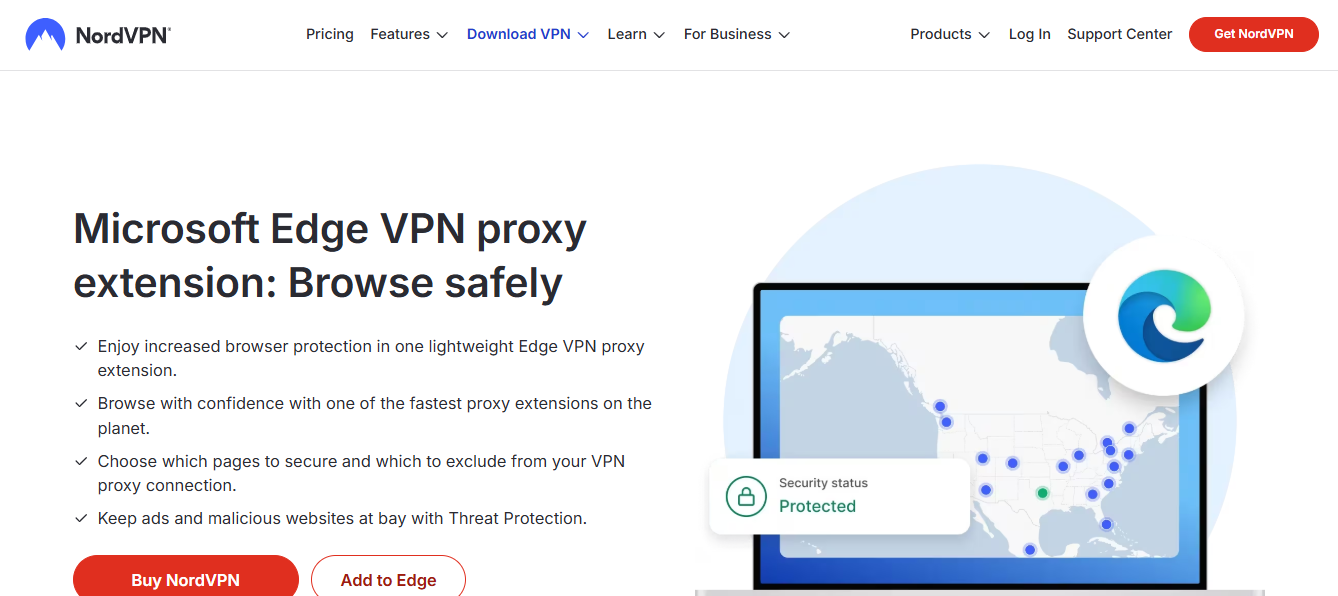
- A free browser VPN extension is a small software add-on that you install directly into your web browser Edge, Chrome, Firefox, etc.. It redirects your browser traffic through a VPN server, masking your IP address and encrypting data in transit for that browser session.
- Most free extensions only tunnel browser traffic, not all app traffic on your device. If you use a VPN on your laptop or phone, system-wide protection requires a full VPN app, not just a browser extension.
- Encryption standards in these extensions generally mirror what paid VPNs offer typically AES-256, but the security promises and storage policies can vary widely by provider.
Browser extensions vs. full VPN apps: what’s the difference?
- Scope: Extensions mostly cover the browser traffic. full VPN apps cover the entire device, including apps and background processes.
- Privacy & logs: Some free browser extensions log data or inject ads, while paid VPNs often emphasize strict no-logs policies and transparent audits.
- Speed: Free options may be slower due to crowded servers, bandwidth limits, and ISP throttling, whereas premium VPNs usually offer more reliable speeds and more server locations.
- Features: Paid VPNs frequently include kill switch, split tunneling, DNS leak protection, and malware protection. free browser extensions may lack some of these features or offer only basic protections.
- Security posture: Free options can come with higher risk if they monetize data or display intrusive ads. Paid services typically invest in stronger privacy protections and regular security reviews.
Are free browser VPNs safe to use?
- It depends. Some well-known providers offer free tiers with reasonable safety practices and limited data allowances. Others route traffic through third-party networks that may log your activity or inject ads.
- A big concern with free browser VPNs is data handling. Some extensions monetize by selling anonymized data or using tracking technologies. Always review privacy policies and permissions before installing.
- Avoid extensions that request excessive permissions for example, full device access or browser-wide monitoring. Stick to reputable developers with clear privacy policies and user reviews.
Edge-specific tips: getting the most from Edge extensions
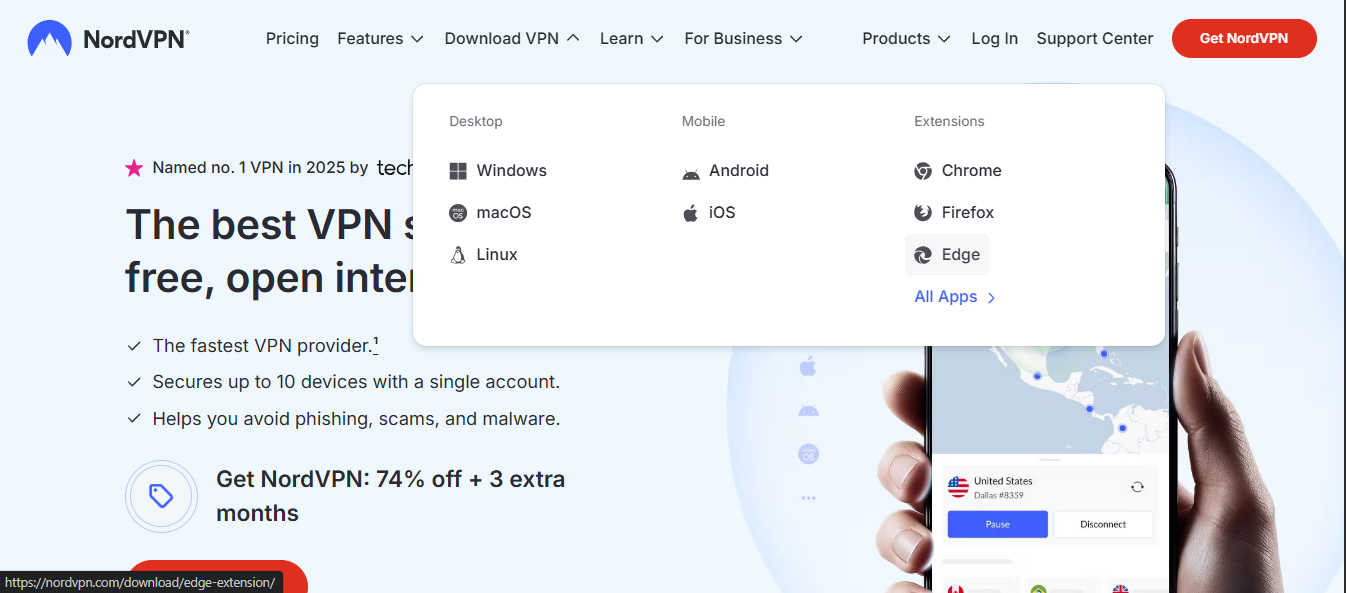
- Edge supports Chrome-compatible extensions, but you may need to enable “Allow extensions from other stores” if you plan to install Chrome Web Store VPN extensions. To do this, go to Edge Extensions settings and toggle the option to allow other stores.
- In Edge, you can manage extensions quickly from the toolbar. Look for the extension icon, click, and adjust permissions e.g., disable protection on specific sites if needed for compatibility.
- With Edge’s built-in privacy protections, complement a browser VPN extension with tracking protection and enhanced security settings for an extra privacy layer.
Best free browser VPN extensions for Edge, Chrome, and Firefox in 2025
Here are some widely used free browser VPN extensions you can consider. Remember, the free tier often comes with data caps and fewer server options.
- Windscribe Free: 10 GB per month with extra if you tweet, decent privacy stance, and a straightforward browser extension. Good for occasional browsing and lightweight privacy.
- ProtonVPN Free: No data limit but slower speeds and a limited number of servers. strong privacy reputation and a reputable company behind it.
- TunnelBear Free: 500 MB per month, friendly UI, good for quick secure browsing but not for heavy streaming.
- Hotspot Shield Free: Daily data limits and occasional ads. quick setup and broad server footprint, but speed can vary.
- Privacy-focused or privacy-forward extensions from reputable providers: always verify the vendor’s privacy policy and data practices.
Practical setup steps Edge-focused Fast vpn google extension for secure browsing, fast connections, and geo-unblocking in 2026
- Step 1: Open Edge and go to the Extensions menu.
- Step 2: If you don’t see your desired VPN extension in the Edge Add-ons store, you can enable “Allow extensions from other stores” and install from the Chrome Web Store or the provider’s site only if you trust the source.
- Step 3: Click Add to Edge, grant the necessary permissions, and pin the extension for quick access.
- Step 4: Log in or create a free account if required, then select a server where allowed by the free tier.
- Step 5: Test your IP and DNS to ensure the extension is routing browser traffic and not leaking.
How to test browser VPN extensions for leaks
- DNS leak test: run a browser-based DNS leak test to confirm that DNS requests are being resolved by the VPN’s DNS servers and not by your ISP.
- WebRTC test: WebRTC can reveal your real IP address in some configurations. Disable WebRTC or use extensions that prevent leaks if the option is available.
- IP address check: visit a site like whatismyipaddress.com to confirm that the IP shown belongs to the VPN server, not your home IP.
Realistic expectations: speed, stability, and streaming
- Speeds: Free browser VPNs tend to be slower than paid services due to bandwidth limitations and crowded servers. Expect a noticeable drop in speed, particularly if you’re sharing a free server with many users.
- Stability: Free extensions may disconnect or throttle more easily during peak times. If you need consistent performance, a paid plan with dedicated servers and better routing will help.
- Streaming: Bypassing geo-restrictions on platforms like Netflix or YouTube Premium is hit-or-miss with free extensions. Some services block VPN traffic on streaming sites, and many free offerings don’t reliably unblock libraries in different regions.
- Privacy trade-offs: Free options might display ads, bundle extra trackers, or require data-sharing agreements to sustain the service. If privacy is a top concern, a paid VPN with a transparent privacy policy is usually a better bet.
When to upgrade to a paid VPN
- If you need device-wide protection not just browser traffic, opt for a full VPN app that covers all network traffic on your device.
- When you regularly stream, torrent, or work with sensitive data, a paid VPN typically delivers faster speeds, stronger security features, and better privacy policies.
- If you value reliable customer support, fewer ads, and a larger server network, a paid plan is often worth the investment.
- Budget-friendly paid plans frequently come with longer-term discounts, multi-device support, and even special student or family plans.
How to choose a free browser VPN extension wisely
- Privacy policy: read the company’s privacy policy and data handling practices. Avoid extensions that log or monetize your data excessively.
- Permissions: only grant necessary permissions. If an extension asks for broad access to all websites or device-level data, approach with caution.
- Reviews and reputation: check user reviews and independent security assessments where possible.
- Data limits: know your monthly cap and how it affects your usage. If you hit the limit quickly, you’ll want to upgrade to a paid option or switch to a different method.
- Security features: look for basic protections like DNS leak protection and a kill switch, even in free tiers.
Real-world use cases for Free browser vpn edge
- Public Wi-Fi safety: a free browser VPN can help protect your browser traffic on public networks, where attackers try to sniff unencrypted data.
- Privacy-conscious browsing: if you’re trying to minimize local tracking by advertisers during normal browsing sessions, a browser extension can add a modest privacy layer.
- Geo-locked content for quick checks: you can quickly switch locations for testing content availability in different regions, though it’s not as reliable as a full VPN for streaming.
How to maximize safety with free browser VPNs
- Pair with a strong browser privacy setup: use private or incognito modes as appropriate, but remember private mode doesn’t block all tracking.
- Keep extensions up-to-date: ensure you’re using the latest version to reduce security vulnerabilities.
- Watch your data usage: don’t rely on free tools if you need to transfer sensitive information or require high-bandwidth tasks.
Common myths about free browser VPNs
- Myth: “Free means no risk.” Reality: there can be privacy and security trade-offs. some free options log data or show ads.
- Myth: “All VPNs are the same.” Reality: privacy policies, server access, and speed vary widely between providers, even in free tiers.
- Myth: “Browser VPN extensions protect everything on my device.” Reality: they primarily protect browser traffic, not apps or system-wide traffic.
Quick-start checklist for Free browser vpn edge
- Pick a reputable extension with clear privacy practices.
- Install on Edge and enable the extension from the Edge toolbar.
- Test for DNS and IP leaks using browser-based tools.
- Check data limits and server availability for your use case.
- Decide if a paid plan is worth it based on your needs privacy, speed, streaming.
FAQ Section
Frequently Asked Questions
What exactly is a Free browser vpn edge?
Free browser vpn edge refers to free VPN functionality delivered as a browser extension, often designed for Edge, Chrome, or Firefox. It secures traffic within the browser and can mask your IP within the browser environment, but it doesn’t always provide full device-wide protection.
Can I rely on free browser VPNs for private browsing?
They can add a layer of privacy for regular web activity, but you should not rely on them exclusively for high-security tasks. They may introduce data-sharing risks, ads, or limited server options. For sensitive work, consider a paid VPN with a solid privacy policy.
Are there risks with installing free VPN extensions?
Yes. Some free extensions monetize data, push ads, or require broad permissions. Always verify the provider’s privacy policy, review permissions, and read user reviews before installing. Free vpn extension for microsoft edge 2026
Do these extensions slow down my browsing?
Often, yes. Free servers can be crowded, bandwidth-limited, and slower than premium servers. Expect some speed reductions, especially with streaming or large downloads.
Can I use a free browser VPN to access streaming services like Netflix?
Sometimes. Some free extensions can unblock basic content, but many streaming platforms actively block VPN traffic. If streaming is a priority, a paid VPN with a good track record for unblocking is usually more reliable.
Do browser VPN extensions leak my real IP or DNS?
It’s possible if the extension isn’t configured correctly. Use DNS leak tests and WebRTC leak tests to verify. Disable WebRTC in your browser if you’re concerned about leaks, or choose extensions that explicitly advertise leak protection.
How do I know if a free browser VPN is logging my data?
Check the provider’s privacy policy, look for independent audits or third-party tests, and pay attention to user reports. If a provider has vague language about data collection, proceed with caution.
Are there any good free options for Edge specifically?
Yes, several reputable vendors offer free browser VPN extensions that work with Edge. Just remember to review privacy practices, caps, and server options before using them extensively. Free vpn for edge vpn proxy veepn microsoft edge addons 2026
Can I run a free browser VPN alongside a paid VPN?
It’s possible but not usually necessary. Running two VPNs simultaneously can cause conflicts and connectivity issues. Usually, pick one that meets your needs for the given session.
How do I uninstall a free browser VPN extension in Edge?
Go to Edge Extensions, find the VPN extension, and click Remove. You can also disable it if you just want to pause usage without removing it entirely.
Is it worth upgrading to a paid VPN if I only need occasional privacy?
If your use is occasional and you’re satisfied with the free tier’s limits, you may not need to upgrade. However, if you want reliable performance, more server choices, better privacy, and streaming access, a paid option is worth considering.
What should I do if I suspect a browser extension is writing to my data?
Disable the extension immediately, review permissions, clear cache, and consider reporting the extension to the browser’s store. Then switch to a trusted provider and re-check your privacy settings.
Do I need to pay for a VPN to stay private online?
Not strictly. Free browser VPNs can add a layer of privacy for casual browsing, but paid VPNs typically offer stronger privacy guarantees, better performance, and more robust security features. Ghost vpn chrome guide to secure browsing, setup on Chrome, performance insights, and top tips for 2026
How often should I reevaluate my VPN setup?
Reevaluate every 6–12 months, or anytime you notice slower speeds, more intrusive ads, a change in privacy policy, or a shift in your browsing needs e.g., streaming or work-from-home requirements.