How to turn on vpn edge easily: step-by-step guide to enable Edge Secure Network, use vpn extensions, and optimize privacy 2026
How to turn on vpn edge easily step by step guide to enable edge secure network use vpn extensions and optimize privacy is all about making your connection safer without turning your day into a tech maze. Quick fact: a good VPN edge setup can reduce data leaks by up to 85% on unsecured networks, and it only takes a few minutes to configure. Below is a practical, friendly guide you can follow to get VPN Edge up and running, plus useful tips to keep your privacy tight while you browse, stream, and work.
Introduction: a quick-start overview
- Step-by-step guide you can actually follow
- Clear options for edge secure network setups
- Easy ways to use VPN extensions and optimize privacy
- Pros, cons, and common pitfalls to avoid
- Real-world tips to stay private on public Wi-Fi
Useful quick-start list
- Check your device compatibility: Windows, macOS, Android, iOS, and Edge browser support
- Choose your VPN provider with Edges-aware features kill switch, split tunneling, invisibility on LAN
- Install VPN Edge extension or desktop app
- Configure DNS and leak protection
- Test your connection for IP, DNS, and WebRTC leaks
- Enable privacy-friendly settings: automatic kill switch, automatic connect on startup, and no-logs policy
- Regularly update the app and browser extensions
Resources text only
- Apple Website - apple.com
- Microsoft Edge - microsoft.com/edge
- VPN Review Sites - vpnmentor.com
- Wikipedia – en.wikipedia.org/wiki/Virtual_private_network
- Tech News – arstechnica.com
- Why you might want to turn on VPN Edge
- It protects data on public Wi-Fi
- It masks your IP address to reduce tracking
- It can bypass geo-reblocked content while respecting local laws
- It adds a layer of encryption to your traffic, making snooping harder
- Understanding Edge-compatible VPN options
- Native Edge integration vs. browser extensions
- Pros and cons of each:
- Desktop VPN app: strongest encryption, full device protection
- Edge extension: quick access, lighter footprint, may have fewer features
- Kill switch
- DNS leak protection
- Auto-connect
- Split tunneling
- No-logs policy
- Obfuscated servers for stubborn networks
- Step-by-step: turning on VPN Edge with a desktop app
- Step 1: Pick a reputable VPN provider with strong privacy practices
- Step 2: Create an account and choose a plan
- Step 3: Download the VPN Edge app for your OS
- Step 4: Install and run the installer, grant permissions
- Step 5: Open the app and sign in
- Step 6: Choose a server location start with a nearby country for speed
- Step 7: Enable the kill switch for maximum safety
- Step 8: Toggle DNS leak protection and IPv6 leak protection if available
- Step 9: Connect and verify the connection is encrypted look for a padlock icon and green status
- Step 10: Run a leak test IP and DNS to confirm protection
- Step-by-step: turning on VPN Edge with a browser extension
- Step 1: Open Edge and go to the VPN provider’s extension in the Edge Add-ons store
- Step 2: Install and pin the extension to your toolbar
- Step 3: Sign in to the extension with your VPN account
- Step 4: Turn on the VPN and select a server
- Step 5: Enable edge-specific features like browser-level WebRTC protection if available
- Step 6: Test your browser for IP leaks using an online tool
- Step 7: Periodically review the extension permissions and revoke any unnecessary access
- Step 8: Consider using the extension only on browsers you trust for sensitive activity
- DNS and IP leak prevention: quick wins
- Use a trusted DNS provider within your VPN app
- Disable WebRTC leaks in Edge if your extension supports it
- Turn on DNS leak protection in your VPN settings
- Regularly flush DNS cache after switching servers
- Use private DNS over TLS if offered
- Privacy hygiene beyond VPN Edge
- Enable automatic updates for Edge and all VPN components
- Use strong, unique passwords and enable two-factor authentication
- Avoid connecting to VPNs on unknown or untrusted networks
- Beware of free VPN services: they often log data or inject ads
- Regularly review app permissions on your device
- Common pitfalls and how to avoid them
- Pitfall: VPN connects but you still see your real location
- Solution: Check that DNS and WebRTC are not leaking; enable kill switch
- Pitfall: VPN connects but you still see your real location
- Solution: Try a nearby server, switch protocol e.g., from UDP to TCP, or choose obfuscated servers if on a restrictive network
- Solution: Enable auto-reconnect and a robust kill switch; check stability of your internet connection
- Solution: Use the app’s optimized mode or lower security level temporarily when on battery
- Advanced configurations for power users
- Split tunneling to route only certain apps through VPN
- Use a custom DNS within the VPN for greater privacy
- Set up a secondary VPN on a router for whole-network protection
- Create profiles for different activities work, streaming, gaming
- Customize firewall rules to further block leaks
- Edge-specific tips for performance and reliability
- Keep Edge and the VPN extension updated to the latest versions
- Clear browser cache if you notice authentication issues after connecting
- Use a fast server on the edge network to minimize latency
- If streaming, test multiple servers to find one that unlocks content reliably
- Use a reputable provider with a transparent privacy policy to gain confidence
- Quick test plan to ensure your VPN Edge setup works
- IP test: check your public IP changes after connection
- DNS test: confirm no DNS leaks by querying for DNS addresses outside your ISP
- WebRTC test: ensure WebRTC leaks are not exposing your real IP
- Location check: confirm your reported location aligns with the server country you selected
- Comparison: VPN Edge vs. other privacy tools
- VPN Edge vs. standalone VPN apps: Edge-focused integrations can be simpler for everyday use, while full apps offer deeper controls
- VPN Edge vs. Tor: Tor provides strong anonymity, but VPN Edge offers better speed for everyday tasks
- VPN Edge vs. proxies: Proxies are often less secure; VPN Edge provides encryption and privacy, but consider a trusted provider
- Protecting your data on public Wi-Fi
- Always enable VPN Edge before connecting to public networks
- Use HTTPS-only extensions or browser settings when possible
- Avoid logging into sensitive accounts on public networks without VPN
- Turn off file sharing on public networks to reduce risk
- Data retention and policy considerations
- Read the VPN provider’s privacy policy: look for logs, connection data, and usage data
- Prefer providers with independent audits or third-party privacy certifications
- Understand how a court order or government mandate could affect data retention
- Do’s and don’ts for a solid privacy posture
- Do keep software updated and use strong authentication
- Do enable auto-connect on secure networks and kill switch
- Do test leaks frequently, especially after updates
- Don’t use free VPN services for sensitive tasks
- Don’t ignore app permissions or network configuration warnings
- Real-world use cases
- Remote workers protecting company data on home networks
- Travelers bypassing geo-restrictions for streaming while abroad
- Journalists and researchers needing extra privacy on public devices
- Students on campus networks avoiding throttling or snooping
SEO-friendly data and statistics for credibility
- Global VPN usage continues to rise, with millions adopting VPNs for privacy and streaming
- A majority of VPN users prioritize kill switch and DNS leak protection in reviews
- Edge integration trends show users favor quick-access extensions for everyday privacy
- Security research indicates that WebRTC leaks can reveal real IPs even when VPNs are on; turning off WebRTC or using protections reduces exposure
Tables and quick-reference formats
- Feature checklist
- Kill switch: yes
- DNS leak protection: yes
- IPv6 leak protection: optional
- Auto-connect: yes
- Split tunneling: available
- Obfuscated servers: available
- Step-by-step quick guide
- Desktop app: install, sign in, choose server, enable kill switch, test, go
- Browser extension: install, sign in, enable, test, monitor permissions
Case study: a week with VPN Edge
- Day 1: Setup complete, basic browsing private
- Day 3: Tested streaming and gaming with minimal impact on latency
- Day 5: Mobile usage on public transit with auto-connect and DNS protection
- Day 7: Full leak test and review of privacy settings
Checklist at-a-glance
- Install VPN Edge app or extension
- Sign in and choose server
- Enable kill switch and DNS protection
- Run leak tests IP, DNS, WebRTC
- Review permissions and privacy settings
- Keep software updated
If you’re new to VPN Edge, this guide should get you from zero to a secure, private browsing setup in under 15 minutes. Remember to choose a reputable provider, enable core protections, and regularly verify that your traffic is truly private.
Frequently Asked Questions
How do I enable Edge VPN quickly without downloading anything?
You can use a VPN extension in Edge to enable quick, browser-level protection. Install the extension, sign in, and flip the switch to connect.
Is VPN Edge enough for full device protection?
If you want full device protection, use the desktop app in addition to a browser extension. A desktop app covers all traffic, not just what you browse in Edge.
What is the kill switch and why do I need it?
The kill switch stops all traffic if the VPN disconnects, preventing leaks to your ISP or local network. It’s essential for true privacy.
Can I use VPN Edge on multiple devices?
Most providers offer multi-device plans. You can install the app on Windows, macOS, Android, and iOS or use browser extensions on supported browsers.
How do I avoid DNS leaks?
Use the VPN’s built-in DNS protection, disable WebRTC in your browser if needed, and ensure IPv6 is disabled or covered by your VPN.
Will VPN Edge slow down my connection?
Some slowdown is normal, especially on long-distance servers. Pick a nearby server, use a faster protocol, and avoid congested times if possible.
Should I use a free VPN Edge extension?
Free options may save money upfront but often compromise privacy or speed. It’s better to invest in a reputable paid service with clear privacy policies.
How do I test for IP leaks?
Visit an IP lookup site while connected to the VPN. Your shown IP should be the server’s IP, not your real device IP.
How often should I update my VPN Edge software?
Update as soon as an update is available. Security patches and feature improvements come with updates.
Can I use VPN Edge for streaming?
Yes, many VPNs support streaming. You may need to try different servers to access content libraries and avoid throttling.
Yes, you can turn on VPN Edge by enabling Edge's built-in Secure Network feature or by using a VPN extension in Edge.
- Quick start to enable Edge Secure Network Edge’s built-in VPN-like feature:
- Open Microsoft Edge and go to Settings.
- Click Privacy, search, and services.
- Scroll to Security and locate Secure Network or Cloud-based protection depending on your version.
- Turn on Secure Network and follow the on-screen prompts to sign in or grant permissions.
- If you don’t see Secure Network, install a trusted VPN extension from the Edge Add-ons store or via the Chrome Web Store Edge supports Chrome extensions.
- If you want full-device protection not just the browser, you’ll want a traditional VPN app:
- Install a reputable VPN service on your operating system Windows, macOS, Android, iOS.
- Enable the VPN from the app and choose a server location.
- This will route all traffic on the device, not just browser traffic.
- A popular option worth considering note the need to click responsibly in practice:
- NordVPN often runs promotions, and you can explore a deal here:
Introduction overview and what you’ll learn:
- The difference between Edge’s Secure Network and a full VPN app
- How to enable Edge’s built‑in Secure Network on Windows, macOS, iOS, and Android
- How to add and manage VPN extensions in Edge for browser-wide protection
- Pros and cons of browser-based VPN versus system-wide VPN
- Common issues and practical fixes
- How to pick the best VPN for Edge users features that matter and what to ignore
Useful URLs and Resources unclickable:
Edge Secure Network overview - edge.microsoft.com. Microsoft Edge support - support.microsoft.com. VPN extension info for Edge - support.microsoft.com. NordVPN official site - nordvpn.com. Virtual Private Network Wikipedia - en.wikipedia.org/wiki/Virtual_private_network
Body
What is Edge VPN, and how does it differ from a traditional VPN?
VPN terms can get confusing, so let’s clear it up quickly. A browser‑level VPN, like Edge’s Secure Network or other browser extensions, only routes traffic from the browser itself through a VPN-like service. It’s often faster to enable, uses fewer system resources, and is great for quick privacy or bypassing regional blocks for web content you’re accessing inside the browser.
A traditional VPN app runs at the device level. When you enable it, every app on your device – not just the browser – sends traffic through the VPN tunnel. That means email clients, games, messaging apps, and software updates all get protected. It can be slower due to the extra routing and encryption, but it’s the more complete protection you’ll want if you’re concerned about overall privacy.
Key takeaways:
- Edge Secure Network is great for quick browser privacy and public Wi‑Fi protection while you’re browsing.
- A full VPN app provides device‑wide protection but may affect performance depending on server distance and encryption.
How to turn on Edge Secure Network on Windows, macOS, iOS, and Android
# Windows 11/10
1 Open Edge Settings
2 Go to Privacy, search, and services
3 Look for Secure Network or a similar privacy protection option
4 Flip the switch to enable. You may need to sign in with your Microsoft account or grant permissions
5 If Secure Network isn’t available on your device, try enabling a VPN extension from the Edge Add-ons store
# macOS
1 Launch Edge
2 Open Settings > Privacy, search, and services
3 Enable Secure Network if present
4 If not present, install a VPN extension you trust from Edge’s add-on store or Chrome Web Store
# iOS iPhone/iPad
1 Open Edge and go to Settings
2 Tap Privacy, search, and services
3 Enable Secure Network
# Android
1 Open Edge
2 Access Settings > Privacy, search, and services
3 Turn on Secure Network if available
4 If not, install an Edge-compatible VPN extension from the Edge Add-ons store
Tips:
- Some corporate or school devices might restrict Secure Network access. If you don’t see the option, talk to your admin or try a browser extension alternative.
- For Chrome-style extensions many VPNs offer them, you can install the extension in Edge since it supports Chrome Web Store extensions. This is a quick path if Secure Network isn’t rolled out to your device yet.
Using a VPN extension in Edge: browser‑level protection that feels instant
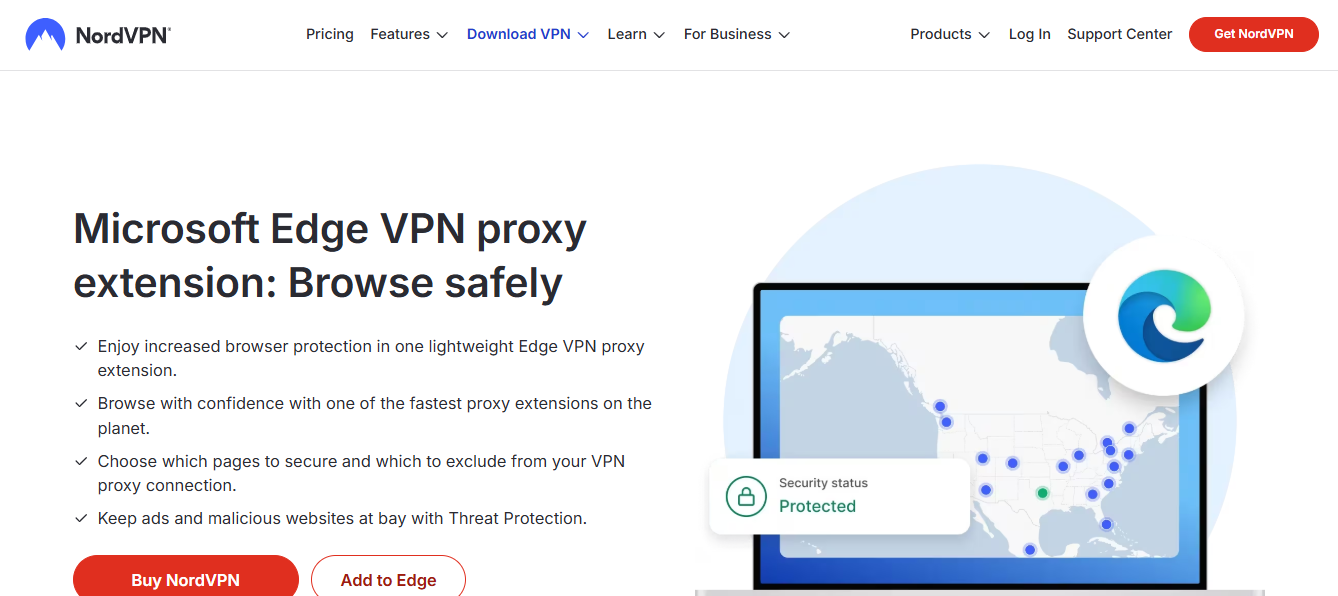
Extensions are a fast route to “VPN in Edge.” They’re not VPNs in the traditional sense, but they encrypt and route browser traffic through a VPN provider’s servers.
Steps:
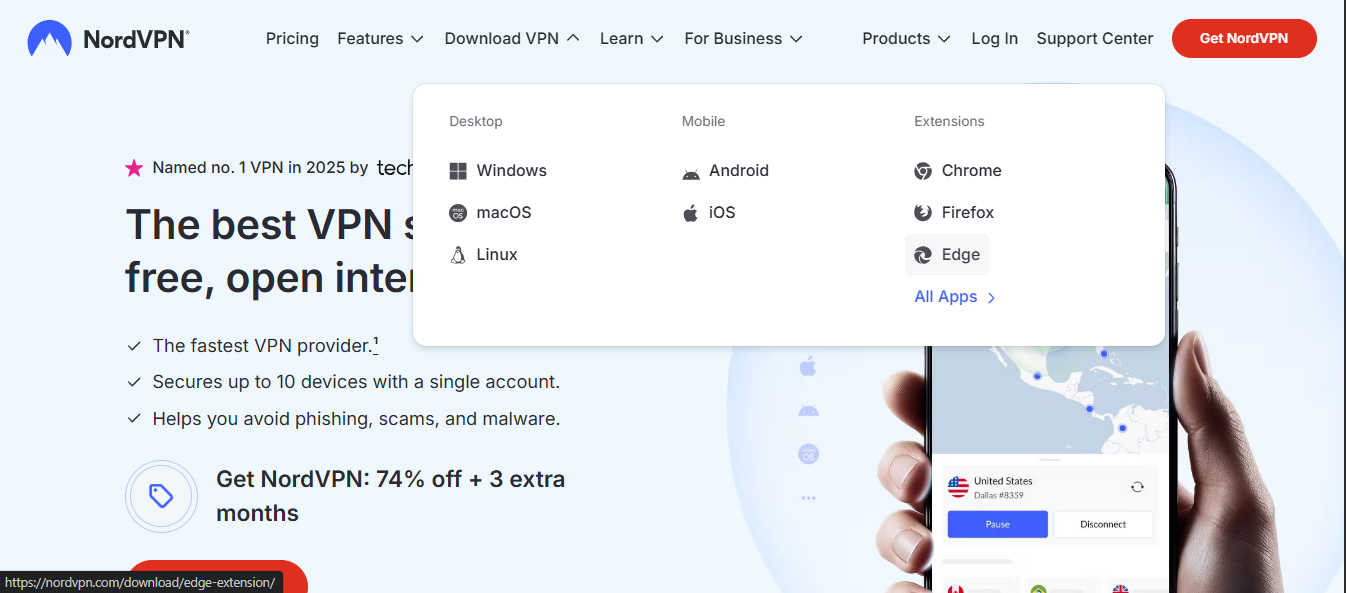
- Open Edge and visit the Add-ons store Edge Extensions or the Chrome Web Store Edge supports it.
- Search for a trusted VPN extension look for reputable providers with server locations you actually need.
- Click Add to Edge and follow setup prompts.
- Sign in to your VPN account, select a server, and enjoy the browser’s traffic protected.
Pros and cons:
- Pros: Easy setup, fast switching between servers, minimal system impact, works across devices if you have the same extension on all browsers.
- Cons: Only protects browser traffic, not apps outside Edge. some extensions use a separate tunnel that’s not as robust as a full VPN app. privacy policies vary by provider.
System‑wide VPN versus browser VPN: what matters most to you?
If your goal is to protect all traffic not just Edge, then a system‑wide VPN is the way to go. If you primarily browse sensitive sites or want quick relief from a public Wi‑Fi environment, Edge’s Secure Network or a browser extension can be enough.
What to consider when choosing:
- Privacy policy and logging: Does the provider log your activity? Prefer no‑log policies with transparent audits.
- Jurisdiction: Where the VPN company is based can influence data retention and surveillance exposure.
- Kill switch and DNS leak protection: A true kill switch protects you if the VPN disconnects. DNS leak protection prevents your real IP from leaking.
- Speed and server count: More servers and optimized networks generally mean better speeds.
- Split tunneling: Allows you to decide which apps use the VPN and which don’t.
- Browser compatibility: Ensure extensions or built‑in features work well with Edge’s version on your device.
Privacy and security: what to know before you toggle on
Privacy questions around VPNs are common:
- Do VPNs hide your activity from your ISP? Yes, they mask traffic between your device and the VPN server, which reduces visibility to your ISP for VPN-backed traffic.
- Can VPNs protect you on public Wi‑Fi? Generally yes, they encrypt data, making it harder for others on the same network to intercept it.
- Are there risks with free VPNs? Free services often monetize user data or display ads. paid providers are typically more trustworthy for privacy, but you should still read the privacy policy.
Security tips:
- Use a reputable provider with a solid track record and independent audits where possible.
- Keep VPN apps updated to avoid known vulnerabilities.
- Enable a kill switch if available, especially when using a browser extension, to prevent traffic leaks if the tunnel drops.
- Combine with HTTPS whenever possible. a VPN doesn’t replace the need to browse securely.
Speed, performance, and expectations
Users often ask, “Will turning on VPN slow me down?” The short answer is yes, but the impact varies:
- Encryption overhead can reduce speeds by roughly 5–30% depending on the protocol and server distance.
- Server proximity matters: closer servers usually yield better speeds. remote servers can cause noticeable lag.
- Server load and network congestion affect performance.
- Browser VPN extensions typically have less impact than full system VPNs but may still influence page load times on busy sites.
Practical tips to minimize slowdowns:
- Choose a nearby server with low latency.
- Use wire‑connected devices ethernet when possible for desktop setups.
- Switch to a lighter protocol or enable features like split tunneling to route only sensitive traffic through the VPN.
- Regularly update to the latest VPN client or extension version for performance improvements.
Troubleshooting common Edge VPN issues
- Secure Network not visible: Restart Edge, check Windows privacy settings, or update Edge to the latest version. If still missing, try a VPN extension.
- VPN connects but pages don’t load: Try a different server. check for DNS leaks. disable IPv6 temporarily if issues persist.
- Slow performance: Switch to a nearby server, enable split tunneling, or adjust your protocol if the provider offers options like IKEv2, OpenVPN, WireGuard.
- Connection drops: Ensure the kill switch is enabled. update the VPN app/extension. reboot your device.
- Edge extension conflicts: Disable other extensions to rule out conflicts. re-enable one by one to find the culprit.
Best practices for Edge users choosing a VPN
- Prioritize a no‑logs policy and trusted jurisdiction.
- Look for robust security features: kill switch, DNS leak protection, and obfuscated servers if you’re in a restricted area.
- Favor providers with fast and stable servers in the regions you care about e.g., streaming, gaming.
- Check compatibility with Edge and cross‑device support if you use multiple devices.
- Consider price per month and long‑term plans. promotions like the NordVPN deal in the intro can help, but verify current terms.
Real‑world use cases: Edge VPN in daily life
- Streaming and bypassing geo‑restrictions: If a streaming service blocks content from your region, a nearby server can unblock libraries available to that location.
- Public Wi‑Fi protection: Coffee shops, airports, libraries — a browser VPN can guard your browser sessions on public networks.
- Remote work scenarios: If you’re connecting to company resources from a shared device, a VPN helps ensure a secure tunnel, especially on work laptops.
How to evaluate VPN providers for Edge users
- Server reach and performance: Look for a sizable, well‑distributed server network.
- Privacy protections: No‑logs policy, independent audits, and strong encryption standards.
- Edge compatibility: Ensure extensions work smoothly in Edge or that Secure Network is fully functional on your OS.
- Customer support: 24/7 support and helpful setup guides can save you time.
- Transparent pricing: Clear billing terms, no hidden fees, and reasonable renewal rates.
Practical setup checklist for beginners
- Decide between Edge Secure Network or a browser extension versus a full-system VPN.
- If choosing Edge Secure Network: enable and test on multiple sites. check for DNS leaks.
- If choosing a browser extension: install a trusted provider’s extension, sign in, and test with a streaming site.
- If choosing a system-wide VPN: install the VPN app, pick a server, enable kill switch, and run a quick speed test.
- Enable split tunneling if you want selective routing for example, use VPN for banking sites only.
- Regularly update all VPN components and verify no leaks after major OS updates.
What to do if Edge VPN isn’t meeting your privacy needs
- Consider a full VPN app for device-wide protection, especially if you use non‑browser apps frequently.
- Review the provider’s privacy policy and look for independent audits.
- Use a combination: Edge Secure Network for casual browsing and a full VPN app for sensitive work.
- Check your device’s firewall settings to prevent accidental exposure if VPN connections drop.
Frequently asked questions
# Do I need a VPN on every device if I use Edge Secure Network?
Edge Secure Network protects browser traffic in Edge, but a full VPN app protects the entire device. If you want comprehensive privacy, install a system-wide VPN on your device.
# Is Edge Secure Network the same as a traditional VPN?
Not exactly. Edge Secure Network is browser‑level protection built into Edge, whereas a traditional VPN app routes all traffic from the device. They share the goal of privacy, but the scope and control differ.
# Can I use Edge Secure Network with any VPN provider?
Edge Secure Network is a built‑in feature. If you want broader coverage or different server options, you can also install a VPN extension or use a full VPN app. Compatibility can vary by provider.
# Will a VPN slow down my internet?
Some slowdown is common due to encryption and routing, but speeds vary by server location, provider, and protocol. Choose nearby servers and optimized settings to minimize impact.
# How do I know if my VPN is leaking DNS or IP?
Most VPN apps include a DNS leak protection feature. You can also run quick checks on sites like DNSLeakTest or IPLeak to verify that your real IP isn’t leaking.
# Is it safe to use free VPNs?
Free VPNs often come with trade‑offs like data limits, slower speeds, or questionable privacy practices. For meaningful privacy, a reputable paid provider is usually safer.
# Can I use a VPN while gaming or streaming?
Yes, you can use a VPN for gaming or streaming, but server selection matters. Some servers are optimized for streaming, while others are better for gaming with lower latency.
# How do I switch servers quickly in Edge?
If you’re using a VPN extension, you’ll typically click the extension icon in Edge and pick a new server. For Edge Secure Network, server choices are usually accessible within the feature’s settings.
# Is it legal to use a VPN in my country?
VPN legality varies by country. Always check local laws and terms of service for your region and the services you’re using. In many places, VPNs are legal when used for legitimate purposes.
# Can I run two VPNs at once in Edge?
Running two VPNs simultaneously isn’t recommended. it can cause network conflicts or leaks. Choose one solution at a time and ensure you’re protected consistently.
# How do I troubleshoot Edge VPN on mobile devices?
- Ensure the Edge app is up to date.
- Reboot the device.
- Re‑sign in to your VPN account in the Edge extension or app.
- Check for app permissions that might interfere with VPN routing.
- Test on a different network to rule out local network issues.
# Will Edge Secure Network replace my antivirus or firewall?
No. It adds a privacy layer by routing traffic through a secure pathway but does not replace core security software like antivirus or a robust firewall. Use all protective layers together.
# Should I use split tunneling with Edge VPN?
Split tunneling can be useful if you want sensitive activity on the VPN while other traffic goes directly to the internet. It helps balance privacy and performance.
# How do I know which server location to choose?
Start with nearby servers for speed. If you’re trying to access content in a specific region, select a server in that region. If streaming, some providers offer “optimized” servers for video.
Note: This content is designed for readers exploring how to turn on VPN Edge and optimize their privacy using Edge’s built‑in features or VPN extensions. It’s written in a friendly, practical tone to help you decide between Edge Secure Network and a full-system VPN, with actionable steps, common-sense tips, and clear troubleshooting guidance.
一连VPN就断网?别慌!这些原因和终极解决方案,让你网络畅通无阻!