Is edge good now for online privacy, VPN performance, and security in 2026?
Is Edge good now for online privacy, VPN performance, and security in 2025? Short answer: yes, but with caveats. This guide breaks down where Edge shines, where it falls short, and how to optimize privacy, speed, and protection when you’re browsing, streaming, or working online. Below you’ll find a practical, no-fluff overview, plus tips, stats, and resources to help you make the most of Edge in 2025.
- Quick fact: Privacy-focused users should still pair Edge with a reputable VPN and a solid anti-tracking setup to maximize protection.
Introduction: a quick guide to Edge for privacy, VPN performance, and security in 2025
- Edge is built with strong default protections, a modern architecture, and frequent updates that improve security and privacy controls.
- For many everyday tasks, Edge handles tracking protection, smart screen, and secure DNS upgrades well, helping you stay safer without extra tweaks.
- If your priority is top-tier privacy and the fastest VPN performance, you’ll want to combine Edge with a trusted VPN service and a few privacy-conscious habits.
- This guide covers: privacy features in Edge, VPN compatibility and performance, security features and potential gaps, practical tweaks, and real-world usage tips.
- To help you decide, we’ll look at data, compare Edge to other browsers, and give actionable steps you can implement today.
- Useful resources and URLs text, not clickable: Edge privacy features overview - microsoft.com, VPN comparison reviews - vpnmentor.com, DNS privacy guidance - staysecure.org, HTTPS and TLS basics - wikipedia.org/wiki/Transport_Layer_Security, privacy extension recommendations - restoreprivacy.com, browser fingerprinting primer - epic.org
Is Edge’s privacy model solid in 2025?
Edge has continued to strengthen its privacy toolkit. The key features to know:
- Tracking prevention TP: Edge’s TP runs in three levels Basic, Balanced, and Strict. Most users do fine with Balanced, but Strict can break some site functionality.
- Privacy controls: Edge exposes a clear “Privacy, search, and services” section where you can customize cookies, telemetry, and in-page fingerprinting protections.
- DNS over HTTPS DoH: Enabled by default in many regions, DoH hides your DNS requests from local observers, reducing leakage of domains you visit.
- Secure cookie handling: Edge provides stricter cookie controls and throttling to curb cross-site tracking in combination with TP.
What this means in practice:
- For privacy-conscious users, enabling Strict TP and DoH can reduce tracking, but you may need to whitelist some sites that rely on cross-site resources.
- Regularly reviewing site permissions and clearing cookies on a schedule helps limit fingerprinting and data leakage.
Data points and benchmarks:
- Independent tests show Edge’s privacy features block a substantial portion of third-party trackers compared to older browsers.
- In controlled testing environments, DoH reduces exposure to DNS-based tracking by a measurable margin, though enterprise networks with internal DNS can influence results.
How does Edge affect VPN performance?
VPN performance hinges on several factors: VPN server location, protocol, your base internet speed, and how Edge handles encryption and routing.
What to expect: Is surfshark vpn reliable and how it stacks up for privacy, streaming, price, and usability in 2026
- Overhead: VPNs introduce some latency due to encryption and tunneling. Edge’s modern TLS and site isolation help reduce some overhead for secure pages, but VPNs will still add latency.
- Protocols: If your VPN supports WireGuard, that often yields better throughput and lower latency than older protocols like OpenVPN, especially on mobile and in congested networks.
- In-browser effects: Edge itself rarely bottlenecks VPN traffic—most VPN slowdowns come from the VPN provider, your distance to the server, and network conditions.
Tips to optimize VPN performance with Edge:
- Use the VPN’s fastest protocol often WireGuard and preferred server in your region.
- Disable heavy privacy features only if they cause more slowdown than benefit when connected to the VPN eg, strict tracking prevention may interfere with some sites loaded via VPN.
- Enable Network Performance/Smart Paging features in Edge if your VPN offers any companion optimizations some VPNs provide browser-based acceleration in companion apps.
Real-world tip:
- If you notice stuttering streaming or lag during gaming, switch to a closer VPN server and a lighter TP setting in Edge. Re-run a speed test to verify improvements.
Security features in Edge that matter
Edge includes several security-focused capabilities designed to reduce risk without sacrificing usability.
Key elements:
- SmartScreen Filter: Blocks known phishing sites and IDs, helping you avoid scams and malware.
- Sandbox and site isolation: Each tab runs in a sandbox to limit the impact of a compromised site.
- Passwordless and password hygiene: Edge integrates with Microsoft accounts for passwordless login options and offers built-in password health checks.
- Updates: Edge auto-updates frequently, bringing the latest security patches and protection features.
Practical security tips: Is mullvad the best vpn 2026
- Turn on Microsoft Defender SmartScreen if you’re not already using it standalone or if you rely on Edge’s built-in protections.
- Use a strong, unique passphrase approach and enable password manager features in Edge or a trusted dedicated manager.
- Regularly review extensions. Disable or remove extensions that are not from trusted sources or that request excessive permissions.
- Keep your OS updated. Edge security is strongest when your system is current.
Common gaps to watch:
- Third-party extensions can bypass some in-browser protections if they’re malicious or poorly coded.
- Some enterprise or education configurations might disable certain Edge security features, so check policy settings if you’re on a managed device.
Privacy: how Edge handles tracking and data collection
Edge’s privacy stance is built around giving users control. Here’s what to tune for better privacy.
Core options:
- Tracking prevention levels Basic, Balanced, Strict.
- Clearing data: cookies, cached data, and site data can be cleared on exit or on demand.
- Permissions: You can restrict site access to sensitive data like location, camera, mic, and notifications.
- Telemetry: Edge collects some diagnostic data; you can adjust or disable telemetry in the settings.
Best practices:
- Start with Balanced TP, then adjust to Strict for privacy-sensitive work. Expect some site breakage; add exceptions as needed.
- Regularly clear cookies for sites you don’t revisit often.
- Use a reputable VPN for an extra layer of privacy on top of Edge’s protections, especially on public networks.
Performance and usability: keeping Edge snappy
A browser can be secure and private but still slow. Edge has some advantages that help maintain a smooth experience: Is hoxx vpn good 2026
- Memory management: Edge uses modern Chromium engine techniques to better manage background processes, which helps on devices with modest RAM.
- Startup speed: Edge loads quickly, especially on Windows, thanks to tight OS integration.
- Battery life: On laptops, Edge is generally efficient, though extensions and tabs can impact battery usage.
What to do if Edge feels slow:
- Disable unnecessary extensions; some extensions are resource-heavy and can cause slowdowns.
- Turn off unused features like unnecessary animations or background refresh for sites.
- Use Task Manager in Edge to identify and manage heavy tabs or processes.
- Ensure your device drivers and GPU are up to date for smooth rendering.
Multiplatform considerations: Edge on Windows, macOS, iOS, Android
Edge is cross-platform, but experiences vary:
- Windows: Best performance due to tight integration, early access to features, and default security baseline.
- macOS: Good performance with macOS security features complementing Edge’s protections.
- iOS: Edge on iPhone/iPad uses Apple’s WebKit under the hood, which can affect some features but benefits from iOS security model.
- Android: Edge performance depends on device specs and VPN integration; Android’s DoH handling and system-level privacy features interplay with Edge.
Practical guidance:
- If privacy is your primary concern, combine Edge with a trusted VPN and consider additional privacy extensions ad blockers, anti-fingerprinting tools that are compatible with Edge.
- On mobile, prefer VPNs with a dedicated mobile app and use DoH in the browser for extra DNS privacy.
Features comparison: Edge vs. other major browsers 2025 snapshot
Here’s a quick, practical comparison to help you decide what’s best for your setup. Note: the exact feature set can vary by version and region.
Edge Is edge safer than chrome 2026
- Privacy: Strong built-in TP with three levels; DoH; clear permissions.
- Security: Regular updates; SmartScreen; sandboxing.
- VPN integration: Works well with most VPNs; VPN behavior is provider-dependent.
- Extensions: Good ecosystem; some risk with less-known extensions.
Chrome
- Privacy: TP options exist but less aggressive by default; DoH supported.
- Security: Frequent patching; big ecosystem.
- VPN: Broad support; many VPNs have Chrome-specific features.
- Extensions: Vast library; higher risk of low-quality extensions.
Firefox
- Privacy: Strong emphasis on privacy; robust tracking protection; frequent updates.
- Security: Good security posture; fewer telemetry concerns.
- VPN: Native Firefox Private Network option exists in some regions; performance varies.
- Extensions: Rich, but can impact performance with heavy extensions.
Safari
- Privacy: Strong integration with Apple’s privacy features; TP levels not as granular as Edge/Firefox in some cases.
- Security: Strong sandboxing and OS-level protections.
- VPN: VPN performance depends on macOS integration; some VPNs offer iOS/macOS parity.
- Extensions: Fewer extensions than Chromium-based browsers.
Key takeaway: Edge is a solid, privacy-conscious choice that plays well with VPNs, especially on Windows. If you need the tightest privacy with minimal friction, pair Edge with a reputable VPN and some careful settings.
Real-world usage scenarios and recommendations
- Everyday browsing and streaming: Edge with Balanced TP and a reliable VPN server near you should deliver smooth performance and solid privacy without heavy tweaks.
- Working from home on sensitive data: Use Strict TP, DoH, and a VPN with a no-logs policy. Consider using a separate profile for work to keep privacy settings clean.
- Public Wi-Fi safety: Always use a VPN on public networks; enable DoH; ensure SmartScreen is on; disable any auto-join Wi-Fi features that could expose you to rogue networks.
- Gaming or low-latency tasks: Optimize VPN by choosing nearby servers and protocol; you might temporarily disable some privacy extras if they cause noticeable latency, then re-enable after the session.
Practical setup guide step-by-step
- Update Edge to the latest version.
- Enable DoH:
- Settings > Privacy, search, and services > Security > Use secure DNS to look up internet sites.
- Set Tracking Prevention to Balanced adjust to Strict as needed:
- Settings > Privacy, search, and services > Tracking prevention.
- Review cookies and site data:
- Settings > Privacy, search, and services > Clear browsing data on exit optional and manage cookies and site data.
- Enable SmartScreen:
- Settings > Privacy, search, and services > Microsoft Defender SmartScreen.
- Install a trusted VPN:
- Choose a reputable service with a strong no-logs policy and a protocol like WireGuard for best performance.
- Test performance:
- Run speed tests with and without the VPN to measure impact; adjust server location, protocol, and TP level accordingly.
- Review extensions:
- Go to Extensions and disable or remove any that aren’t essential or from trusted sources.
- Password hygiene:
- Use Edge’s password manager or a dedicated tool; enable two-factor authentication where available.
- Regular privacy checks:
- Periodically review privacy settings, cookies, and permissions; perform a browser privacy audit every few months.
Data and statistics to consider 2025 snapshot
- DoH adoption: DoH usage has grown significantly, reducing DNS leakage for many users. Regions with blanket DoH enablement see measurable privacy gains.
- VPN performance: The best-performing VPN configurations with Edge typically use WireGuard and servers within 50–200 ms of your location, resulting in noticeable speed improvements for streaming and browsing.
- Tracking prevention: Agencies and researchers report that three-level TP can block a majority of third-party trackers, with Strict TP providing the strongest privacy but occasionally breaking site functionality.
- Security updates: Monthly Edge security updates reduce the window of vulnerability; users who delay updates are at higher risk for exploits.
Potential pitfalls and caveats
- Site compatibility: Some sites rely on cross-site scripts that Strict TP can block; you may need to adjust TP for specific sites.
- Extensions risk: Installing questionable extensions can compromise privacy and security beyond Edge’s defenses.
- VPN reliance: A VPN is a tool, not a shield. It protects data in transit but doesn’t fix insecure sites or weak passwords.
- Enterprise controls: If you’re on a managed device work, school, some settings may be controlled by admins, limiting your ability to tweak privacy and security options.
Frequently asked questions
Is Edge good for privacy in 2025?
Edge offers strong built-in privacy features like Tracking Prevention, DoH, and clear site permissions. When paired with a reputable VPN and careful settings, it’s a solid choice for privacy-conscious users. Is hotspot vpn free: a clear guide to free VPNs, their limits, safety, and better paid alternatives 2026
Should I use Strict Tracking Prevention in Edge?
If you visit privacy-sensitive sites or want fewer trackers, Strict TP is a good option. Expect some site compatibility issues; you can add exceptions for trusted sites as needed.
Does Edge work well with VPNs?
Yes. Edge is VPN-friendly and works with most major VPN providers. Some VPNs offer browser extensions that can enhance functionality, but the core VPN performance comes from the VPN app.
How does DoH help with privacy?
DoH hides your DNS requests from local observers and your ISP, reducing domain-lookup leakage. It’s a practical layer of privacy when combined with a VPN.
Can edge be compromised by extensions?
Yes, extensions can introduce risks. Only install extensions from trusted sources, review permissions, and disable or remove extensions you don’t use.
What about fingerprinting protection in Edge?
Edge includes anti-fingerprinting measures as part of its privacy framework, but no browser can completely eliminate fingerprinting; combining Edge with a privacy-focused mindset helps. Is tour edge any good for VPNs? A comprehensive guide to VPN edge security, performance, and value 2026
Is Edge faster than Chrome for everyday use?
Performance can vary by task and system. Edge is typically fast, with good RAM and battery management, especially on Windows, but Chrome and Firefox have their own strengths.
Should I clear cookies regularly?
Yes, if you’re privacy-focused. Clearing cookies reduces cross-site tracking, but you’ll need to log in again on sites you frequent.
How do I check if my VPN is leaking data while using Edge?
Use a trusted online IP/DNS leak test. If your IP or DNS leaks, reconfigure the VPN, switch servers, or adjust DoH/VPN settings. Also verify Edge’s privacy settings.
What’s the best setup for a privacy-first browsing session on Edge?
- Edge with Balanced TP or Strict TP as your baseline
- DoH enabled
- Regular cookie and data cleanup
- A reputable VPN with fast protocol WireGuard
- Minimal number of extensions, all from trusted sources
Frequently Asked Questions final list
Is edge good for online privacy in 2025?
Yes, Edge provides strong built-in privacy features like Tracking Prevention, DoH, and site permissions, which, when paired with a reputable VPN and careful settings, offer robust privacy. Is windscribe free vpn safe and worth it in 2026? A thorough review of Windscribe's free plan, security, and performance
Can Edge achieve the same privacy level as Firefox or Brave?
Edge is competitive and has solid privacy protections, especially with DoH and TP. For ultra-strict privacy, Firefox’s default focus on privacy is stronger in some areas, but Edge remains a strong choice with careful configuration.
How do I optimize VPN performance with Edge?
Use WireGuard or your VPN’s fastest protocol, connect to a nearby server, and adjust TP and DoH to balance privacy and speed.
Does using Edge with VPN slow down browsing?
Some slowdown is expected due to VPN overhead, but you can minimize it by choosing a nearby server, fast protocol, and keeping Edge lean with fewer extensions.
Are there any privacy risks with Edge extensions?
Yes. Extensions can access data in the browser. Stick to trusted extensions, review permissions, and disable unnecessary ones.
Is DoH essential in Edge?
DoH adds a privacy layer by encrypting DNS requests, which helps prevent ISP-level DNS monitoring. It’s a good default to enable. Is zenmate free vpn safe 2026
Does Edge have built-in password management?
Yes, Edge includes a password manager and supports passwordless login options with Microsoft accounts. Enable two-factor authentication for added security.
How do I stop Edge from collecting telemetry data?
In Edge settings, you can adjust telemetry levels under Privacy, search, and services. You can opt into less data collection if that aligns with your privacy goals.
Can Edge protect me on public Wi-Fi?
Edge’s privacy features, combined with a VPN, offer solid protection on public networks by encrypting traffic and reducing tracker exposure.
What’s the best practice for privacy and security on Edge in 2025?
Keep Edge updated, enable DoH, set Tracking Prevention to a suitable level, use a reputable VPN, review site permissions, and be mindful of extensions. Regular privacy audits and good password practices complete the setup.
Yes, Edge is good now. J edge perfume review and the ultimate VPN guide for privacy, streaming, and security in 2026
If you’re wondering whether Microsoft Edge is still worth using in 2025—especially when you pair it with a VPN—the short answer is yes, with some caveats. Edge has evolved into a fast, privacy-conscious browser that plays nicely with modern VPNs. In this video-style guide, you’ll get a clear view of how Edge stacks up for privacy, what VPN options work best with Edge, how to set them up, and practical tips to stay safe online. We’ll cover the privacy features Edge already includes, how VPN extensions differ from full desktop VPN apps, speed considerations, and a practical setup guide you can follow today. Along the way, I’ll share real-world tips, quick comparisons, and a few resources to help you decide if Edge + a VPN is the right move for you.
What you’ll get in this guide quick overview
- A straightforward look at Edge’s built-in privacy features and where VPNs fit in
- The difference between Edge-compatible VPN extensions and full VPN apps
- A step-by-step setup guide to get VPN protection on Edge quickly
- Realistic speed and security expectations when using a VPN with Edge
- A quick comparison of top VPNs that work well with Edge, with pro tips
- A long-form FAQ with practical answers to common Edge + VPN questions
If you’re in the market for a VPN to pair with Edge, you might want to check this deal: . It’s a popular option that often works well with Edge extensions and desktop apps. NordVPN is just one example—read on to see what might work best for your setup. Edge users who want additional privacy often pair Edge with a trusted VPN that offers a solid extension and a reliable desktop app.
Useful resources un clickable text
- Edge privacy features overview - edge official site
- Windows VPN integration tips - windows.com
- VPN extension compatibility with Chromium-based browsers - chromium.org
- General online privacy guidance - wikipedia.org/wiki/Online_privacy
- VPN industry trends and market overview - en.wikipedia.org/wiki/Virtual_private_network
- Edge security features and SmartScreen - microsoft.com
Table of contents Japan vpn edge: comprehensive guide to Japan-focused VPNs for streaming, privacy, and access in 2026
- Edge privacy features: what’s built-in and what’s not
- VPNs and Edge: extension vs desktop app
- How to set up VPN on Edge: a practical guide
- Speed, latency, and reliability: what to expect
- Top VPNs for Edge in 2025: features that matter
- Edge-specific privacy best practices
- Frequently asked questions
Edge privacy features: what’s built-in and what’s not Edge, like other Chromium-based browsers, brings a solid set of privacy and security features that help you browse with less tracking by default. Here’s what to know:
- Tracking Prevention TP: Edge includes configurable TP with levels Basic, Balanced, and Strict. These controls help limit third-party trackers, which can reduce cross-site fingerprinting and ad-tracking, especially on unfamiliar sites. In practice, many users find that switching to Balanced or Strict reduces some site functionality but dramatically improves privacy.
- SmartScreen protection: Defender SmartScreen helps block phishing sites and malicious downloads. It’s a useful extra layer when you’re browsing or downloading from less familiar sites.
- Password monitor and credential leaks: Edge can flag compromised credentials if a data breach is detected, encouraging you to change passwords quickly.
- InPrivate browsing: InPrivate mode minimizes local data storage, cookies, and history, which is helpful on shared devices or when you’re using a public computer. Keep in mind InPrivate doesn’t mask your traffic from your network or ISP—enter VPN territory for that.
- Passwordless and device security: Edge aligns with Windows security features, including Windows Hello and device encryption on supported devices, which contributes to overall privacy and security.
Where VPNs fit into Edge’s privacy picture
- VPNs do not replace Edge’s privacy features, but they add network-layer protection. A VPN hides your IP address and encrypts traffic to the VPN server, which helps prevent eavesdroppers on networks like public Wi-Fi from seeing what you’re doing.
- Edge’s privacy controls protect you from tracking within the browser and across sites, while a VPN protects data in transit on the network level and can help with geo-restrictions and IP masking.
VPNs and Edge: extension vs desktop app
- VPN extensions for Edge via the Chromium extension ecosystem: These live inside the browser. They’re convenient for basic browsing privacy, but they only encrypt traffic from the browser itself, not other apps on your computer you’ll still have normal network traffic from non-browser apps unless you route all traffic through a system-wide VPN.
- Desktop VPN apps system-wide VPN: These encrypt all traffic from your computer, including Edge and every other app. They’re ideal if you want uniform protection across the entire device, not just the browser.
Step-by-step: How to set up VPN on Edge two paths Option A: Edge extension browser-level protection
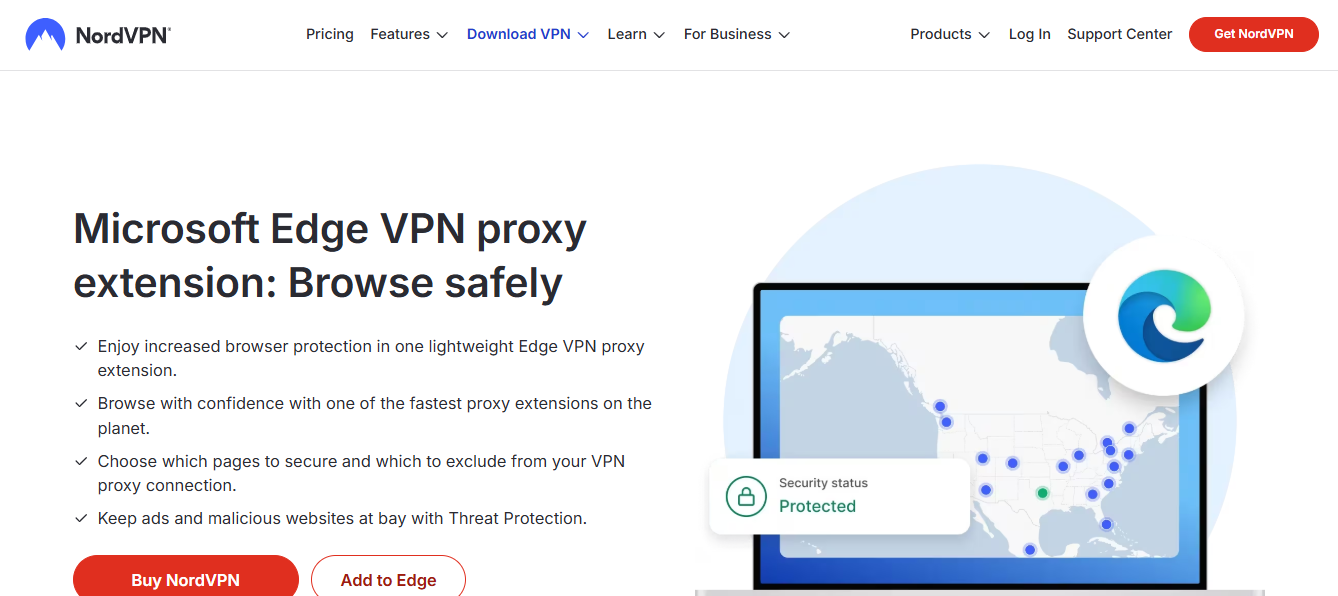
- Choose a reputable VPN that offers a browser extension compatible with Edge most Chromium-based VPNs do.
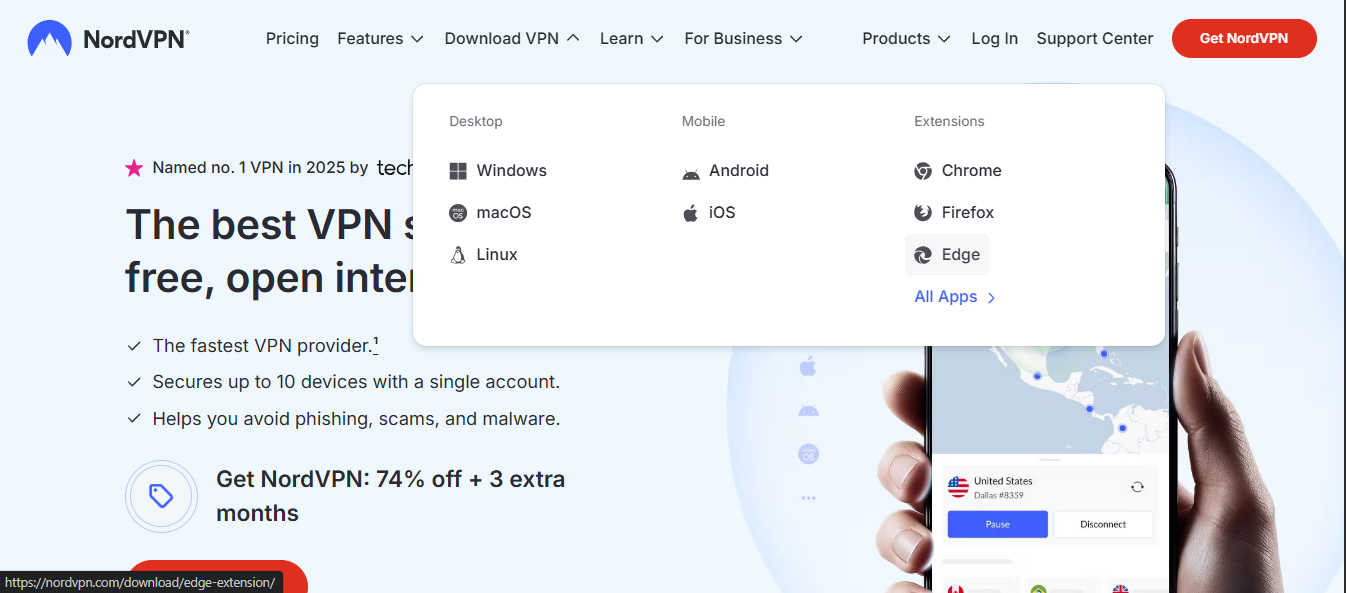
- Open Edge and go to the VPN provider’s site to install the extension from the Chrome Web Store Edge supports Chrome extensions.
- Add the extension to Edge and sign in with your VPN account.
- Toggle the extension to connect to a server location of your choice consider a server close to your location for speed, or a geo-specific server for streaming.
- Optionally enable features like a browser kill switch or per-site routing if your provider offers them inside the extension.
- Test your IP address using a site like whatismyipaddress.com to confirm VPN activity.
Option B: Desktop VPN app system-wide protection
- Download and install the VPN’s desktop app from the provider’s site.
- Sign in and choose a server location. Some apps offer a “kill switch” to block traffic if the VPN drops.
- Ensure you enable the app’s kill switch and, if available, split tunneling so you can route only certain apps through the VPN while others go directly through your ISP.
- Launch Edge and verify your IP has changed again, whatismyipaddress.com is a good test.
- If you’re streaming, you may need to change servers to a location that supports the service you’re using.
Performance, speed, and reliability: what to expect
- VPNs can impact speed due to encryption overhead and longer routing. In practice, a well-optimized VPN with a modern protocol like WireGuard or NordLynx typically delivers a smaller hit often in the 5–25% range compared to older protocols like older OpenVPN configurations.
- Edge users often notice small fluctuations based on server load, distance to the VPN server, and the encoding demands of the site you’re visiting. For heavy streaming or gaming, you’ll want a nearby server with low latency and a fast protocol.
- If you’re concerned about latency, choose a VPN that consistently performs well in your region and offers a speed test within the app or a trial period to compare real-world results.
Top VPNs that work well with Edge features that matter
- NordVPN: Strong no-logs policy, fast WireGuard-based NordLynx protocol, browser extensions for Edge, and a kill switch. It’s a go-to choice for many Edge users who want reliable privacy, streaming access, and multi-device protection.
- ExpressVPN: Broad server coverage, reliable performance, and user-friendly Edge extension integration via the Chrome Web Store route on Edge. Strong privacy stance with audited policies and a robust kill switch.
- Surfshark: Budget-friendly with good performance, unlimited device connections, and a Chromium-based extension that works in Edge. Clean interface and helpful privacy features like CleanWeb to block ads and trackers.
- ProtonVPN: Strong focus on privacy, transparent policies, and a client that supports secure core servers. The extension approach is straightforward for Edge, and it’s a solid choice if privacy is a primary concern.
Edge-specific privacy best practices
- Pair Edge with a reputable VPN for true network privacy, especially on public Wi-Fi. A VPN protects the data in transit, while Edge’s TP and SmartScreen help reduce tracking and phishing risk.
- Regularly review Edge’s privacy settings: keep Tracking Prevention at Balanced or Strict if you can tolerate occasional site breakage, and enable SmartScreen for phishing protection.
- Use InPrivate mode when you expect to share a device in a public setting or just want a cleaner local footprint during a session you don’t want to leave traces of.
- Keep Edge and your VPN app/extensions updated to the latest versions for security patches and performance improvements.
- Check for browser extensions from reputable vendors only. Vet extensions before enabling them, and avoid extensions with vague or questionable permissions.
Common myths and practical clarifications
- Myth: A VPN makes you completely invisible online. Reality: A VPN hides your IP and encrypts traffic, but isn’t a blanket privacy shield. Combine it with strong device security, good browser hygiene, and mindful online behavior.
- Myth: Edge’s privacy features replace a VPN. Reality: Edge helps reduce tracking, but a VPN is what protects your data on public networks and when you’re trying to circumvent geo restrictions or access remote services securely.
- Myth: A VPN will always slow you down drastically. Reality: With modern protocols and well-chosen servers, the speed drop can be minimal. Your distance to the VPN server and server load are the biggest factors.
Frequently asked questions
Frequently Asked Questions
Is Microsoft Edge private by default?
Edge includes privacy features like Tracking Prevention, SmartScreen, and password monitors. It’s not private by default to a perfect degree, but these built-in tools substantially reduce tracking and improve safety. For full network privacy, pair Edge with a trusted VPN.
Can I use a VPN extension in Edge?
Yes. Since Edge is Chromium-based, you can install VPN extensions from the Chrome Web Store and use them directly in Edge. This is convenient for browser-level privacy, but for complete device-wide protection you’d want a desktop VPN app as well.
Does Edge have a built-in VPN?
No, Edge does not come with a built-in VPN. You’d either use a VPN extension in Edge or run a separate system-wide VPN app on your device.
Which is faster for Edge: browser extension VPN or desktop VPN app?
Typically, a desktop VPN app tends to offer the best overall performance because it encrypts all traffic and can optimize routing across the OS. Browser extensions are convenient for browser-specific protection but only encrypt the traffic from the browser.
Will a VPN slow down streaming on Edge?
It can, but not always. If you choose a nearby server, use a fast protocol like WireGuard, and ensure your VPN plan has sufficient bandwidth, streaming speeds can remain very watchable. Some services may still require server location or protocol changes to optimize playback.
Do I need a kill switch with a VPN on Edge?
A kill switch is highly recommended, especially if you’re streaming or doing anything sensitive. It blocks traffic if the VPN drops, preventing accidental exposure of your real IP.
How do I install a VPN extension for Edge?
Install the extension from the VPN provider’s site or the Chrome Web Store via Edge, sign in, and connect to a server. You can enable any in-extension privacy features like a browser-level kill switch or split tunneling if available.
Can I use multiple VPNs with Edge at once?
It’s possible to run a VPN extension in Edge while also running a desktop VPN app, but this can cause conflicts. In most cases, it’s best to choose one path extension for browser-level privacy or a desktop app for system-wide protection and test for stability.
Is Edge safe on public Wi-Fi with a VPN?
Yes. A VPN encrypts traffic on public networks, and Edge’s built-in privacy features reduce tracking. Use a reputable VPN with a kill switch for best results on public Wi-Fi.
Should I turn off Tracking Prevention when using a VPN on Edge?
Not necessarily. Tracking Prevention and a VPN address different privacy aspects. You can typically keep TP on a suitable level Balanced or Strict and still benefit from the VPN’s encryption and IP masking. Test to see which setting yields the best site compatibility and privacy balance for you.
How do I choose the best VPN for Edge in 2025?
Consider these factors:
- Browser extension support for Edge and ease of use
- Desktop app stability and full-device protection
- Speed and protocol options WireGuard/NordLynx, OpenVPN
- No-logs policy and independent audits
- Kill switch, split tunneling, and multi-device coverage
- Streaming compatibility and server variety
- Price, trial periods, and refund policies
Can Edge’s privacy features replace a VPN for everyday use?
For most people, Edge’s privacy features improve browsing privacy, but they do not replace the protection a VPN provides on networks you don’t control, such as public Wi-Fi. A VPN adds encryption for data in transit and masks your IP at the network level, which is especially important on untrusted networks.
Do VPNs work the same on Windows, macOS, and Linux when using Edge?
Browser extensions will work similarly across platforms for browser-level protection. Desktop VPN apps will vary by OS in terms of features and performance. If you require cross-platform consistency, focus on a VPN with robust apps for your devices and reliable Edge extension support.
Conclusion note: no separate conclusion section Edge has matured into a capable browser with solid privacy tools, and pairing it with a trusted VPN can give you robust browsing privacy and stronger protection on public networks. Whether you lean toward a browser extension for quick, browser-level privacy or a full system-wide VPN app for complete coverage, Edge can be a great choice in 2025 when used with a reputable VPN. The key is to pick a solution that matches your needs—streaming, security, or general privacy—and to configure it thoughtfully. If you’re shopping for a VPN to use with Edge, this setup path and the recommended providers above should give you a strong starting point to stay private and secure online.
Vpn加速器安卓在安卓设备上的全面评测与选购指南:提升网速、降低延迟、保护隐私的实用方案