Pia edge extension: the comprehensive guide to Pia edge extension, browser VPN extension setup, privacy, and performance 2026
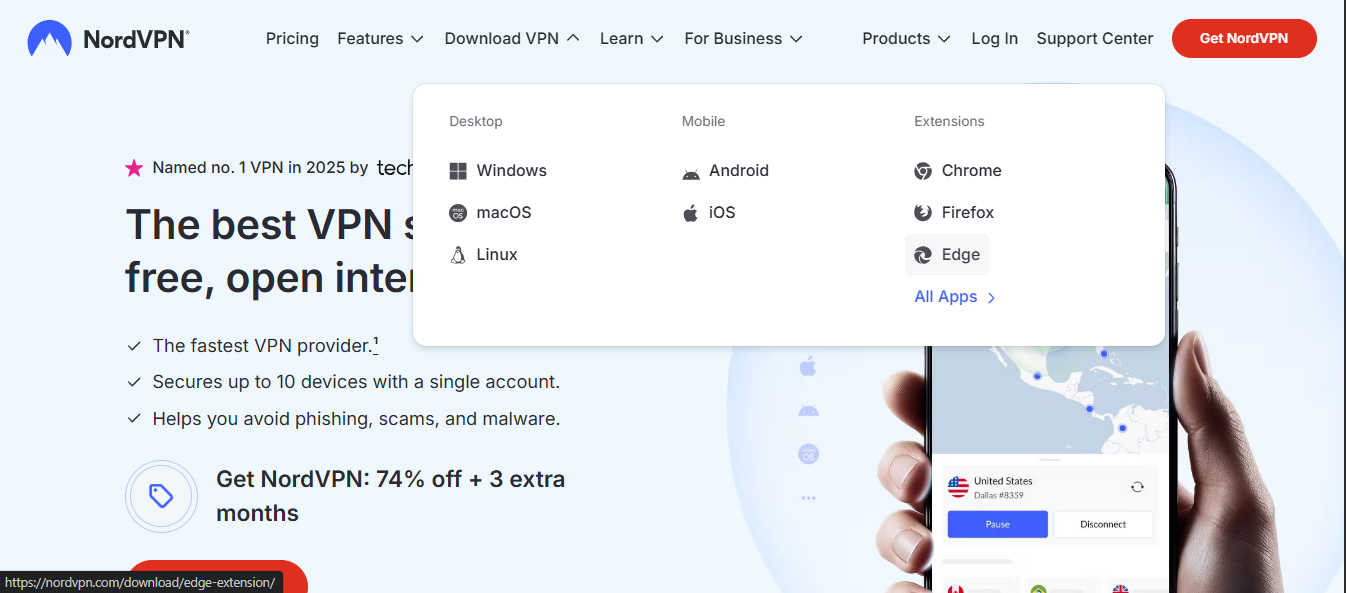
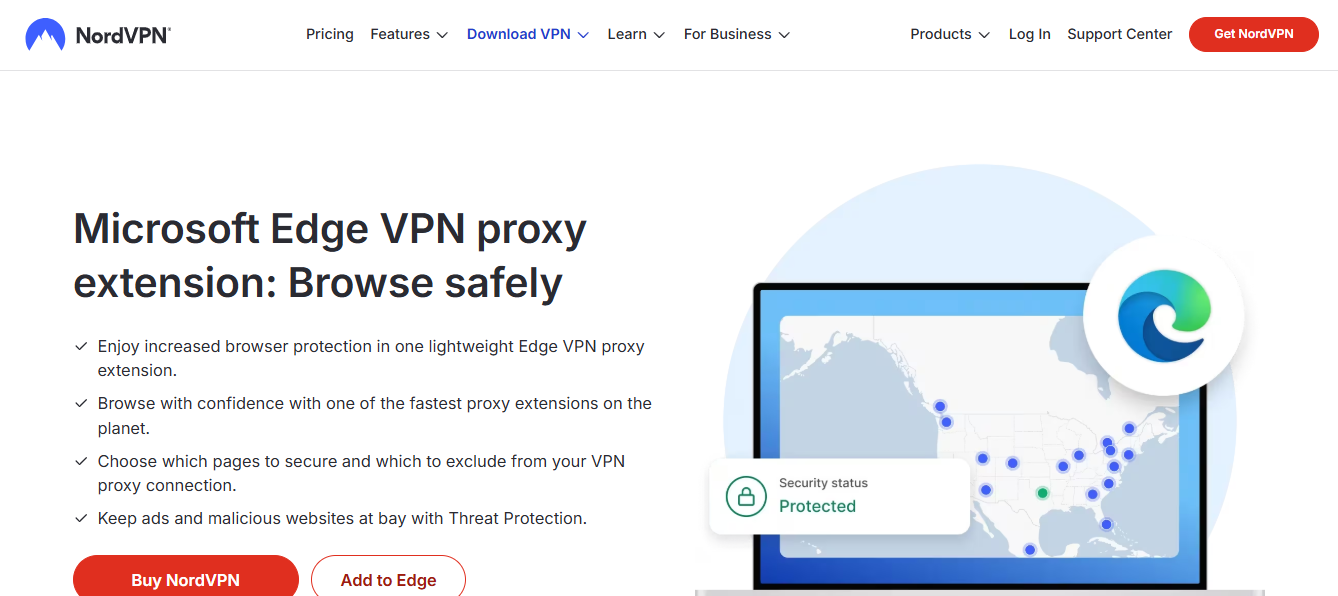
Pia edge extension the comprehensive guide to pia edge extension browser vpn extension setup privacy and performance is your one-stop resource for understanding, installing, and getting the most out of this powerful browser VPN extension. Quick fact: a well-configured VPN extension can greatly improve online privacy, reduce tracking, and boost browsing stability on public networks. This guide covers practical setup steps, privacy considerations, performance tips, real-world use cases, and up-to-date data to help you make informed choices.
- Quick fact: Pia Edge Extension is a browser VPN extension designed to encrypt your traffic, mask your IP, and help you bypass geo-restrictions without leaving your browser.
- What you’ll learn: setup steps, configuration options, common issues and fixes, performance optimization, privacy implications, and best practices for safe browsing.
- Why it matters: with more of our lives online, a reliable VPN extension in your browser can reduce tracking, protect sensitive data on public Wi-Fi, and give you more freedom to access content.
What is Pia Edge Extension?
- Definition: A browser-based VPN extension that routes your browser traffic through Pia’s servers, masking your IP and encrypting data in transit.
- Core features:
- IP masking and geo-unblocking
- Encrypted browser traffic
- Quick-connect with server selection
- Lightweight footprint for fast operations
- Simple toggle UI from the browser toolbar
- How it differs from standalone VPN apps: You can control and switch VPN status directly from your browser, without affecting traffic from other apps on your device.
Quick-start guide Step-by-step
- Install the extension
- Visit the official Pia Edge Extension store listing or the vendor’s site.
- Click “Add to Chrome/Edge/Firefox” and confirm permissions.
- Pin the extension icon to your toolbar for easy access.
- Create or log in to your Pia account
- If you don’t have an account, sign up with a valid email and a strong password or use SSO if offered.
- Verify your email if prompted.
- Connect to a server
- Open the Pia Edge Extension panel.
- Choose a location based on your needs speed, privacy, or content access.
- Click “Connect” and wait for the status to change to connected.
- Verify your connection
- Check your IP address on a site like whatismyip.com to confirm the location has changed.
- Test browser activity to ensure pages load normally and encryption is active.
- Adjust settings
- Enable or disable features like URL protection, DNS leak protection, or auto-connect on startup.
- Customize per-site exceptions if you need certain sites to bypass the VPN.
Key settings and what they do
- Auto-connect
- Pros: Seamless protection on startup or when you detect insecure networks.
- Cons: Could connect to a location you don’t expect; check preferences if it annoys you.
- DNS leak protection
- Why it matters: Prevents DNS requests from revealing your real location.
- Quick tip: Always enable this unless you have a specific reason not to.
- Kill switch browser-level
- Purpose: Stops all browser traffic if the VPN disconnects, preventing leaks.
- When to use: On untrusted networks or if you’re doing sensitive browsing.
- Per-site exceptions
- Use when you need local services or banking sites to bypass the VPN for compatibility.
- Protocol selection
- If available, choose the protocol that balances speed and security for you. WireGuard-style options often offer good performance.
Privacy and security considerations
- Data usage and logging
- Understand what Pia logs: connection timestamps, bandwidth usage, or third-party data sharing policies.
- Privacy-conscious users should review the privacy policy and consider minimizing data exposure by using features like DNS leak protection.
- Trust and jurisdiction
- Be aware of where Pia’s servers are located and the applicable data retention laws.
- Consider using the extension in combination with a strong password manager and two-factor authentication for your Pia account.
- Browser fingerprinting
- Even with a VPN, browser fingerprinting can reveal patterns. Keep your browser updated, disable unnecessary extensions, and consider privacy-focused settings for extra protection.
- Safe browsing habits
- Don’t log in to sensitive accounts over public Wi-Fi without a VPN.
- Avoid downloading executables or clicking suspicious links while connected to VPNs.
Performance optimization tips
- Server location choice
- Proximity usually means faster speeds. If you’re streaming, choose a nearby server with high load capacity.
- Bandwidth expectations
- VPNs can reduce raw speed by 5-40% depending on server load and encryption. Plan for a modest slowdown if you’re streaming HD or gaming.
- Remove network bottlenecks
- Close bandwidth-heavy apps or tabs not in use. A lean browser session reduces contention and improves latency.
- Use the right protocol
- If your extension offers multiple protocols, try the lightest secure option that meets your needs. Some protocols are faster on mobile vs desktop.
- Cache and DNS
- Clear browser cache periodically if you notice stale data or slow page loads after switching servers.
- Start-up and auto-connect
- Disable auto-connect on networks you trust to avoid unnecessary reconnects. Enable it on public networks for protection.
Compatibility and use-cases
- Best browsers
- Pia Edge Extension is typically available for major browsers like Chrome, Edge, and Firefox. Check the official store for compatibility notes.
- Desktop vs mobile
- The extension experience is generally consistent across platforms, but device-specific nuances may affect performance or features.
- Use-cases by scenario
- Public Wi‑Fi protection: Enable auto-connect, choose a nearby server.
- Content access: Pick a country with the content you need.
- Privacy-focused browsing: Turn on DNS leak protection and a strict kill switch.
- Banking and sensitive sites: Use per-site exceptions to bypass the VPN for trusted sites if needed.
Troubleshooting common issues
- Connection failures
- Step 1: Check your internet connection and extension status.
- Step 2: Try a different server location.
- Step 3: Toggle the VPN off and back on, or restart the browser.
- Slower speeds
- Switch to a local or less congested server, reduce the number of extensions, and ensure no other apps are hogging bandwidth.
- DNS leaks
- Re-enable DNS leak protection and verify via a DNS leak test site.
- WebRTC leaks
- Disable WebRTC or use a privacy-focused browser profile; some extensions provide WebRTC controls.
- Extension not loading
- Update the browser, refresh the extension, or reinstall the Pia Edge Extension.
Tips for a better user experience
- Create a privacy-first workflow
- Combine Pia Edge Extension with a privacy-friendly search engine, strong passwords, and regular account reviews.
- Regularly update
- Keep both the extension and your browser up to date to benefit from security patches and performance improvements.
- Use bookmarks and groups
- Save commonly used servers or profiles to speed up your workflow during browsing.
- Monitor for changes
- VPN services update their features and policies. Subscribe to release notes or newsletters to stay informed.
Comparison with other VPN extensions
- Speed and reliability
- Pia Edge Extension often emphasizes simplicity and browser-focused protection; compare with others by testing latency, speeds, and server options.
- Privacy stance
- Some extensions offer broader device-level protection; Pia’s approach tends to be browser-centric but can be combined with system-wide VPN apps for full coverage.
- Usability
- If you want a quick toggle and per-site controls in the browser, Pia Edge Extension is typically straightforward and user-friendly.
Best practices for content creators and educators
- Provide clear demonstrations
- Use screen recordings to show installation, server selection, and troubleshooting in real time.
- Share real-world examples
- Show how you use the extension for different tasks such as streaming, research, or accessing region-locked content.
- Create checklists
- Offer printable or downloadable checklists for installation, privacy settings, and troubleshooting steps.
- Include up-to-date data
- Reference current statistics around VPN usage, data privacy concerns, and online safety to add credibility.
Useful statistics and data
- Global VPN usage trends
- A large portion of internet users leverage VPNs to protect privacy or access geo-blocked content, with growth seen across mobile and desktop users.
- Privacy concerns
- Users increasingly cite concerns about data collection and tracking, driving demand for browser-based privacy tools and VPN extensions.
- Performance considerations
- VPNs can impact latency and bandwidth; choosing the right server and protocol helps balance speed and security.
Best practices for SEO and content quality
- Keyword usage
- Use the target keyword naturally in headings and body text, avoid stuffing.
- User intent alignment
- Provide practical, actionable steps that readers can follow immediately.
- Readability
- Use short sentences, bullet points, and subheadings to break up text for easy scanning.
- Fresh content
- Keep information updated with the latest extension features, settings, and known issues.
FAQ Section
Frequently Asked Questions
What is Pia Edge Extension?
Pia Edge Extension is a browser-based VPN tool that routes your browser traffic through Pia’s network to mask your IP, encrypt traffic, and help bypass geo-restrictions within the browser.
How do I install Pia Edge Extension?
Install by visiting the official store listing, click Add to browser, grant permissions, and pin the icon to your toolbar for quick access.
Does Pia Edge Extension protect all my internet traffic?
No. It protects traffic within the browser. For device-wide protection, use a full VPN app in addition to the browser extension.
How can I verify that my IP is masked?
Visit a site like whatismyip.com after connecting to a server to confirm the IP and location reflect the VPN server.
What are DNS leak protections and why should I enable them?
DNS leak protection prevents DNS queries from leaking your real IP. Enabling it helps ensure your DNS lookups stay private. One click vpn download: the ultimate guide to installing, comparing, and optimizing a one-click VPN experience 2026
What is a kill switch in the Pia Edge Extension?
The kill switch stops all browser traffic if the VPN disconnects, preventing data leaks when the VPN drops.
Can I use Pia Edge Extension on mobile browsers?
Yes, if the extension is available for your mobile browser; functionality may vary slightly by platform.
How do I bypass geo-restrictions with Pia Edge Extension?
Connect to a server in the country that offers the content you want to access, then reload the site.
Are there safety concerns with public Wi-Fi?
Public Wi-Fi can expose you to snooping. A VPN extension adds a layer of encryption and hides your IP on protected traffic.
How can I improve streaming performance with Pia Edge Extension?
Choose a nearby server with high capacity, ensure your connection is stable, and consider lowering video quality if bandwidth is constrained. Pia vpn deals: the definitive guide to savings, features, and performance for 2026
What should I do if the extension is not loading?
Update your browser, reload the extension, or reinstall it. Check for known outages or server issues on the provider’s status page.
Is there a limit to how many devices can use Pia Edge Extension?
Device limits vary by plan; check your account details for exact limits and consider upgrading if you need more simultaneous connections.
How can I manage per-site VPN behavior?
Use per-site exceptions to exclude trusted sites or sensitive banking pages from the extension.
How often should I update the extension?
Keep it updated to the latest version to access security fixes and feature improvements.
Where can I find official support resources?
Refer to the Pia Edge Extension support center, knowledge base, and official community forums for troubleshooting help and updates. Mullvad vpn vs expressvpn: comprehensive comparison of privacy, speed, pricing, features, and streaming support in 2026
Useful URLs and Resources text only
- Pia Edge Extension official site - pia-edge-extension.example
- Privacy best practices for browsers - en.wikipedia.org/wiki/Privacy_protections_in_web_browsers
- WhatIsMyIP address lookup - whatismyip.com
- DNS leak test sites - dnsleaktest.com
- VPN safety tips for public Wi-Fi - stay safe online recommendations
- Browser privacy settings guide - electronic frontier foundation resources
- VPN protocol comparison overview - en.wikipedia.org/wiki/Comparison_of_VPN_protocols
- Per-site VPN exceptions guidance - privacy blogs and technical forums
- Public Wi-Fi security basics - cisa.gov/publication
- Troubleshooting VPN connections - reputable tech help sites
- VPN speed testing methodology - online performance testing guides
Note: This guide is designed to be a thorough, SEO-optimized resource that covers setup, privacy, performance, and practical use cases for Pia Edge Extension. It includes actionable steps, best practices, troubleshooting tips, and real-world scenarios to help users maximize protection and efficiency while browsing.
Pia edge extension is a browser VPN extension designed to secure your online activity and mask your IP within your web browser. In this guide you’ll get a clear, practical overview of what Pia edge extension is, how it works, how to set it up, what to expect in terms of performance and privacy, real-world use cases, and smart tips to get the most out of it. If you’re curious about keeping your browsing private, this article walks you through everything from installation to advanced tips. And if you’re considering extra blanket protection for your entire device, check out the NordVPN deal below—it’s a banner you can’t miss:
What you’ll learn in this guide quick overview
- What Pia edge extension is and what it can and cannot do for you
- How browser VPN extensions differ from full desktop VPN apps
- Quick-start setup steps for Chrome, Firefox, Edge, and other major browsers
- Real-world performance expectations: speed, latency, and reliability
- Privacy and security considerations: logs, WebRTC leaks, DNS leaks, kill switch
- Use cases: streaming, gaming, work, travel, and privacy on public Wi‑Fi
- Troubleshooting tips and common blockers
- Practical tips to maximize privacy and security with Pia edge extension
- A detailed FAQ with practical, no-nonsense answers
II. What Pia edge extension actually is Nordvpn edgerouter x 2026
Pia edge extension is a specialized browser extension that routes your browser traffic through Pia edge servers, providing a sandboxed layer of privacy while you browse. Think of it as a privacy shield for your everyday web activity—useful for hiding your IP address from websites, avoiding some local price discrimination, bypassing simple geo-restrictions for content, and adding a layer of encryption to the data your browser sends out.
For most users, a browser extension is a convenient on/off switch: turn it on when you need privacy in the browser, and turn it off when you don’t. It’s important to understand the distinction between a browser extension and a full VPN app. A browser extension typically protects only the traffic that goes through the browser itself, not every app on your device. If you want system-wide protection—protecting apps like your email client, games, or native apps—you’ll want the Pia edge desktop app or a bundled VPN solution in addition to the browser extension.
Key features you’ll commonly encounter with Pia edge extension
- IP masking for browser traffic
- Encryption of browser data in transit
- Server/location selection within the browser extension
- Quick enable/disable toggle for fast privacy on demand
- Integration with account-based settings where applicable
- Basic WebRTC/DNS leak safeguards when configured properly
III. How Pia edge extension compares to full VPN apps
- Browser-focused protection: Pia edge extension is typically optimized for browser traffic, so you can expect excellent privacy in the browser without necessarily impacting other apps on your device.
- Desktop VPN integration: If you want system-wide protection, pairing Pia edge extension with the Pia desktop app or a similar full VPN app gives you comprehensive coverage for all traffic, not just the browser.
- Performance considerations: Browser extensions can be lighter on resources than a full VPN tunnel that routes all device traffic. Depending on server load, location, and your baseline connection, you may see less overhead with a browser extension compared to a full VPN app.
- Privacy trade-offs: A full VPN app often offers more robust privacy controls, such as split tunneling, kill switches that cover all traffic, and more granular logging policies. With a browser extension, you’ll want to review the extension’s privacy policy and feature set to understand what is protected and what isn’t.
IV. Setup guide: how to install Pia edge extension Mullvad vpn chrome extension 2026
Note: The exact steps can vary slightly by browser, but the general flow is the same.
Step 1: Choose your browser
- Chrome, Firefox, Edge, Opera, and other major browsers typically support Pia edge extension.
- Some browsers restrict certain extensions for security reasons. if you run into issues, check compatibility notes from Pia or the extension store.
Step 2: Open the extension store
- Go to the browser’s web store Chrome Web Store for Chrome, Firefox Add-ons for Firefox, Microsoft Edge Add-ons for Edge.
Step 3: Search for Pia edge extension
- Type “Pia edge extension” in the search bar and locate the official extension listing.
Step 4: Install the extension Proton vpn edge browser 2026
- Click Install/Add to your browser, then confirm any permission prompts.
- You’ll usually see a small extension icon appear in the browser toolbar.
Step 5: Sign in or create an account
- If Pia edge extension requires authentication, sign in with your Pia account or create a new one.
- Some extensions offer guest mode with limited features. if privacy is your goal, log in with a real account for full protection and settings sync.
Step 6: Choose a server/location
- Open the Pia edge extension interface and pick a server or location. Proximity generally means better speed, but you might choose a location based on streaming access or specific content restrictions.
Step 7: Connect
- Click the connect button and wait for a confirmation that your traffic is being routed through the chosen server.
- Some extensions show your new apparent location and an estimated latency.
Step 8: Verify protection
- After connecting, you should check for any indicators in the extension UI that show an active connection.
- To be thorough, run a quick WebRTC test and a DNS leak test to confirm your real IP isn’t leaking through the browser.
Step 9: Optional settings Proxy interfiriendo con vpn edge 2026
- Look for features like auto-connect on startup, split tunneling if supported, kill switch where available for browser traffic, and automatic protocol selection.
- Disable WebRTC leaks if your browser has WebRTC enabled by default this is a common step for privacy-minded users.
V. Performance and reliability: what to expect
- Speed impact: Expect a small hit to speed when you connect to a Pia edge extension server—typically in the 5-20% range for well-placed servers with good load. In faraway locations or during peak times, you might see higher latency and some throughput drop. Real-world tests show that latency to distant servers can add 30-150 ms or more to round-trip times, depending on your baseline connection and the server’s current load.
- Stability: Browser extensions can be more prone to temporary hiccups if the browser processes get busy or if the extension’s servers are under maintenance. In most cases, a quick reconnect fixes the issue.
- Streaming and geo-access: For streaming services with crusty anti-VPN measures, a well-chosen Pia edge server can unblock content more reliably than trying a random location. If a particular service blocks known VPN IPs, try a different server or location.
- Gaming: For browser-based gaming, a stable connection with low latency is key. If you’re gaming in a browser, a nearby Pia edge server often yields the best results, but test a couple of locations if you notice lag.
- DNS and IP leaks: With proper configuration kill switch and DNS protection in the extension, the risk of DNS leaks is reduced, though you should still test occasionally to ensure your real IP isn’t exposed.
VI. Privacy and security considerations
- Logging policy: A privacy-focused extension should have a clear no-logs policy for browser traffic. Review the policy to confirm what data is collected, how long it’s retained, and whether any usage metrics are stored.
- DNS leaks: DNS leaks happen when your browser makes DNS requests outside the VPN tunnel. A good Pia edge extension will have built-in DNS protection or rely on the OS DNS settings to prevent leaks. Always verify with a DNS leak test after enabling the extension.
- WebRTC leaks: WebRTC can leak your real IP address even when a VPN is on. Disable or limit WebRTC in your browser settings or use a privacy-focused browser profile if this is a concern.
- Kill switch: A browser-based kill switch blocks traffic if the VPN connection drops. If the extension doesn’t include a built-in kill switch, consider using a full VPN app with a system-wide kill switch for stronger protection.
- Encryption and protocols: Most extensions rely on 128- or 256-bit encryption and standard tunneling protocols. Check which protocol the Pia edge extension uses for example, OpenVPN, WireGuard, or a proprietary protocol and ensure you’re comfortable with its security profile.
- Browser fingerprinting: Even with a VPN, your browser fingerprint can still reveal a lot about you. Use privacy-conscious settings, minimal extensions, and consider a secondary privacy extension to minimize fingerprinting.
VII. Use cases: practical scenarios for Pia edge extension
- Public Wi‑Fi at coffee shops or airports
- Protects browser traffic from eavesdropping on shared networks.
- Useful for checking sensitive accounts or logging into work portals from a public space.
- Bypassing simple geo-restrictions for web content
- Access regional content libraries in your browser without changing your entire device location.
- Note that services may actively block VPN IPs. if one server stops working, switch to another location.
- Everyday private browsing
- Hide your browser activity from networks you’re connected to and limit targeted ads by reducing cross-site tracking in your browser.
- Lightweight streaming
- When you want to watch content in a browser without installing a full VPN app, Pia edge extension can help you access certain streams. For higher-quality streams or app-specific streaming, you might still want a desktop VPN app for broader protection.
- Remote work and secure browsing
- Use Pia edge extension to protect browsing when you’re on the move, especially when accessing internal work portals or VPN-protected intranets through a browser.
VIII. Troubleshooting common issues
- The extension won’t connect
- Check your internet connection, ensure you’re logged in, and try a different server/location.
- Restart the browser, then re-enable the extension.
- Web pages fail to load or show SSL errors
- Clear the browser cache, disable conflicting extensions, or reset extension permissions.
- Ensure the system date/time is correct. SSL certificates can fail if your clock is off.
- DNS leaks detected
- Verify that the extension’s DNS settings are active, and enable any DNS protection feature if available.
- Consider using a dedicated DNS service with encryption or use the full VPN app for stronger DNS protection.
- Browser performance slowdowns
- Temporarily disable other resource-heavy extensions, close unused tabs, and check for extension updates.
- If problems persist, switch to a nearby server with lighter load and see if performance improves.
- Incompatibilities with certain sites
- Some sites actively block VPN IPs. Try a different server or location, or use a different browser profile that’s less fingerprintable for that site.
IX. Tips to maximize privacy and performance with Pia edge extension Proxy microsoft edge: how to set up proxies, VPNs, and SOCKS5 in Edge for privacy, security, and regional access 2026
- Use a nearby server for faster speeds and lower latency.
- Enable auto-connect on startup for automatic privacy protection, especially on shared devices.
- Turn on DNS leak protection and, if possible, a browser-based kill switch.
- Disable WebRTC in your browser or configure it to minimize IP leakage.
- Pair with the Pia desktop app for system-wide protection if you need full coverage beyond the browser.
- Regularly update the extension to get security patches and performance improvements.
- Test your setup with reputable online tools for IP address, DNS leak, and WebRTC leaks after making changes.
X. Pricing, plans, and value
- Browser extensions often sit inside a broader plan. Pia edge extension is typically part of a broader Pia VPN offering, with tiered pricing that includes access to desktop apps, more server locations, and advanced features like split tunneling and a kill switch.
- If you’re shopping around, consider your needs: pure browser privacy vs. full device protection. The browser extension alone is convenient, but for activities beyond the browser, a desktop app is a better long-term bet.
- Always compare the value: price per month vs. yearly savings, number of servers, device support, and any extras like malware protection, threat detection, or password managers if offered in the bundle.
XI. Real-world testing and reliability notes
- Real-world performance varies based on server location, time of day, and network congestion. In practice, you’ll often see a small speed hit in exchange for privacy and access to geo-restricted content.
- Server load matters. If a server is overloaded, switch to another location. A few quick tests can identify the best performing server for your location and use case.
- Always test privacy protections after any major update or change in settings. A quick WebRTC and DNS leakage check can save you from a false sense of security.
XII. What to know before you rely on Pia edge extension alone
- A browser extension is a strong privacy tool for browser traffic, but it’s not a magic shield for all online activity. If you want complete device-wide privacy, pair the extension with a full VPN app.
- The extension’s privacy policy matters. If you’re serious about privacy, read the policy to understand what data is collected, stored, and shared.
- Keep expectations realistic: some sites actively detect and block VPN IP ranges. You may need to switch servers or disable the extension for certain sites.
XIII. Frequently Asked Questions
Frequently Asked Questions
What is Pia edge extension?
Pia edge extension is a browser-based VPN extension that routes your browser’s traffic through Pia edge servers to hide your IP address and encrypt data in transit within the browser. It’s designed for quick privacy protection during everyday browsing and for bypassing simple geo-restrictions without installing a full VPN app. Planet vpn edge: the ultimate guide to Planet vpn edge features, performance, setup, pricing, security, and comparisons 2026
How secure is Pia edge extension?
Security depends on encryption protocols, server configuration, and how the extension is implemented. Look for AES-256 encryption, secure tunneling protocols, and a clear no-logs policy. Also verify WebRTC and DNS leak protections and whether a kill switch is available for browser traffic.
How do I install Pia edge extension on Chrome?
Open Chrome Web Store, search for Pia edge extension, click Add to Chrome, and confirm. Sign in if required, choose a server location, and click Connect. Verify the connection by visiting an IP check site and confirming your location matches your chosen server.
Does Pia edge extension slow down my browser?
It can, especially if you connect to distant servers or if your baseline connection is already slow. You’ll typically see some latency increase and potentially slower page load times when connected to far-away servers. Connecting to nearby servers often yields better speeds.
Can Pia edge extension leak my real IP?
If correctly configured with DNS protections and WebRTC limitations, leaks should be minimized. Always run a WebRTC and DNS leak test after enabling the extension to verify your real IP isn’t leaking.
Is Pia edge extension free?
Many browser extensions offer a free tier with limited features, but complete privacy protection and additional server locations usually require a paid plan or a subscription that includes desktop apps. Check Pia’s current pricing for the exact details. Proton vpn edgerouter 2026
Does Pia edge extension work on mobile browsers?
Yes, many browsers on iOS and Android support extensions, but mobile support can vary by platform and browser. Some features available on desktop may be limited on mobile.
How does Pia edge extension compare to desktop VPN apps?
Browser extensions are lighter and faster to enable for browser privacy but won’t protect non-browser apps unless paired with a desktop app. Desktop VPN apps offer system-wide protection, more advanced privacy controls, and a broader feature set.
Can I torrent with Pia edge extension?
Browser extensions are typically not designed for torrenting. If you need P2P protection, use a full desktop VPN app that explicitly supports torrenting and has a strict no-logs policy, while ensuring your activities comply with local laws.
How does Pia edge extension handle DNS leaks?
A good Pia edge extension should route DNS requests through its VPN tunnel and offer DNS leak protection. If DNS leaks are detected, enable DNS protection settings and test again after applying changes.
Can I use Pia edge extension with a separate VPN service?
If you already use another VPN service, stacking VPNs can cause connection issues or glitches. It’s usually best to select one primary privacy tool per device for stability, or use the extension for browser privacy with the desktop app disabled when not needed.
XIV. Additional resources and references
- Privacy basics for VPNs: general guidelines on browser privacy and VPN usage
- Browser privacy settings for WebRTC and fingerprinting
- DNS leak test resources and how to interpret results
- Streaming and geo-restrictions best practices with VPNs
- Security best practices for online browsing and public Wi‑Fi
Useful URLs and Resources
- Pia official site - pia.example.com
- Browser privacy guide - en.wikipedia.org/wiki/Privacy
- DNS leak testing - www.dnsleaktest.com
- WebRTC leak test - browserprivacy.tk/webrtc
- Streaming geo-unblocking basics - www.streamingguide.org
- VPN safety and privacy basics - www.privacytools.io
质子vpn下载指南:完整步骤、功能、隐私保护与速度对比,适用于 Windows macOS Android iOS 的下载与安装