Setup vpn edge extension 2026
Setup vpn edge extension: Quick Guide to Install, Configure, and Use on Your Browser
Setup vpn edge extension is a straightforward process you can complete in minutes. Here’s a quick fact to set the scene: VPN edge extensions help encrypt your browser traffic and mask your IP without needing a full VPN client. In this guide, you’ll find:
- A step-by-step installation walkthrough
- Tips to optimize performance and privacy
- Common issues and how to fix them
- Real-world use cases and data to help you decide
Quick-start checklist
- Verify browser compatibility Chrome, Firefox, Edge, or Opera
- Choose a reputable VPN provider offering a dedicated edge extension
- Install the extension from the official store
- Sign in with your account or create a free trial if offered
- Pick a server location and protocol if options are available
- Test your connection and verify IP address changes
- Review permissions and privacy policy
Useful resources un clickable text Apple Website - apple.com Google Support - support.google.com Mozilla Add-ons - addons.mozilla.org Wikipedia - en.wikipedia.org VPN provider official site - examplevpn.com TechRadar VPN guide - techradar.com/vpn-guide
Why use a VPN edge extension?
- Privacy and security on public networks: When you’re on Wi‑Fi at a cafe or library, your traffic can be vulnerable. A VPN edge extension helps tunnel that traffic through an encrypted channel.
- IP masking for region-locked content: Some sites and services show different content based on your location. A VPN edge extension makes it easier to appear from another place.
- lightweight and quick setup: Compared to a full VPN app, the edge extension is usually lighter and faster to configure.
How the edge extension works
- It creates a secure tunnel between your browser and the VPN provider’s servers.
- Only browser traffic is redirected not the entire device, unless the provider offers system-wide VPN.
- Encryption protocols vary OpenVPN, WireGuard, IKEv2, etc., affecting speed and security.
Step-by-step installation guide
Step 1: Choose a trusted VPN provider
Do a quick check:
- Independent audits or transparency reports
- Clear privacy policy stating no-logs
- Regular security updates
- Positive user reviews
Step 2: Install the extension from the official store
- Open the browser’s extension or add-on store.
- Search for the provider’s edge extension.
- Click “Add to Chrome/Firefox/Edge” and confirm permissions.
- Wait for the extension to appear in your toolbar.
Step 3: Create or sign in to your account
- If you’re new, sign up using a valid email.
- If you already have an account, log in.
- Some providers offer a free plan or a trial period—take advantage if you’re testing.
Step 4: Grant necessary permissions
- The extension may request access to data on websites you visit or to read and change data on pages.
- Review the permissions and only proceed if you’re comfortable.
- You can usually customize permissions later in settings.
Step 5: Connect to a server
- Open the extension panel and pick a server location.
- For streaming, choose a near location with a fast connection.
- For privacy, pick a location with strong privacy laws if possible.
- Some extensions let you pick a protocol; WireGuard tends to be fast and secure, while OpenVPN is widely compatible.
Step 6: Verify your connection
- Visit a site like ipinfo.io or whatismyipaddress.com to confirm your IP address and location have changed.
- Check DNS leaks using a site like dnsleaktest.com to ensure your DNS requests are also protected.
Step 7: Test performance
- Run a quick speed test speedtest.net with the VPN connected.
- Compare results to your baseline to gauge any speed impact.
- If you notice significant slowdowns, switch servers or adjust protocol settings.
Step 8: Enable features that matter
- Kill switch: Keeps your traffic from leaking if the VPN drops.
- Auto-connect: Connects automatically when you open the browser.
- Block trackers: Some edge extensions block ads and trackers.
Step 9: Manage settings and privacy
- Review account settings: remember login devices, security questions, two-factor authentication.
- Check privacy settings: data sharing, telemetry, and local logging options.
- Update the extension regularly to get the latest security patches.
Common usage scenarios
- Browsing on public Wi‑Fi with enhanced privacy
- Accessing region-locked content for entertainment
- Securing sensitive activities like online banking via browser traffic
- Testing geo-targeted ads and experiences for marketing insights
Security and privacy considerations
- Edge extensions only protect browser traffic unless the provider explicitly offers a system-wide VPN.
- Always use a strong, unique password and enable two-factor authentication if available.
- Be mindful of browser security: keep the browser and extensions up to date.
- Review the extension’s privacy policy to understand data handling and third-party sharing.
Performance optimization tips
- Choose servers near your location for faster speeds.
- Use lighter protocols like WireGuard if your provider offers them.
- Disable unnecessary browser extensions that might conflict with the VPN.
- Clear cache and cookies if you notice odd behavior after connecting.
Troubleshooting common issues
- Issue: No connection to VPN
- Solution: Restart the extension, reselect a server, or re-authenticate.
- Issue: Slow speeds
- Solution: Try a different server, switch protocol, or disable other bandwidth-heavy apps.
- Issue: DNS leaks
- Solution: Enable the DNS leak protection feature in the extension if available.
- Issue: Extension not visible in toolbar
- Solution: Reinstall or pin the extension to the toolbar.
Comparison with full VPN apps
- Edge extensions are lighter and quicker to set up but cover only browser traffic.
- Full VPN apps protect all network activity on the device but may require more resources and setup.
- For most casual users, the edge extension is enough for privacy during web browsing.
Real-world usage data and trends
- Adoption: A growing share of users rely on browser-based VPN extensions for quick privacy boosts without a full app.
- Privacy tech: Edge extensions often include tracker-blocking features as an added bonus.
- Performance: Modern edge extensions using WireGuard-based tunnels typically deliver better speeds than legacy protocols.
Best practices for choosing an edge extension
- Favor providers with transparent privacy practices and independent audits.
- Look for minimal permission requirements and clear data handling policies.
- Prefer extensions that offer a kill switch and DNS leak protection.
- Check update history and support responsiveness.
Advanced tips and lesser-known features
- Multi-hop options: Some providers offer multi-hop routing even at the browser extension level.
- Browser profiles: Create separate profiles Work, Personal with different VPN settings.
- Automatic country switching: Some extensions let you automate country switching based on time or activity.
- Split tunneling: Exclude specific sites from VPN protection if your provider supports it.
Risk awareness and tolerances
- Some sites detect VPNs and block them; be ready to switch servers or disable if needed.
- VPNs are not a guaranteed shield against all online tracking; use additional privacy tools like anti-tracking extensions and private browsing modes.
- Always follow local laws and terms of service when using VPNs.
Accessibility and usability notes
- The extension interfaces are designed to be simple, with clear on/off controls.
- Keyboard shortcuts and mouse-friendly layouts help users who prefer quick access.
- Language options may vary by provider; check if your preferred language is supported.
Maintenance and updates
- Keep the extension updated to the latest version to receive security fixes.
- Periodically review your server list and clean up unused locations.
- Re-check privacy settings after major browser updates.
A quick comparison cheat sheet
- Edge extension: Quick setup, browser traffic protection, lighter footprint
- Full VPN app: System-wide protection, more settings, potential impact on device performance
- Tor + VPN combo: Increased anonymity but slower speeds, more complex setup
What to expect with setup vpn edge extension over time
- Consistent improvements in speed and stability as providers optimize their tunnels.
- More features like improved kill switches, better DNS protection, and optional privacy modes.
- Growing awareness of privacy gaps and better guidance on configuring edge extensions properly.
Infrastructure and data center notes
- Reputable providers use multiple global data centers with reputable privacy laws.
- Look for providers that publish data center locations and have robust uptime guarantees.
Engaging with the community
- Read user forums and official provider blogs to learn about common gotchas.
- Watch YouTube tutorials and read user feedback to see real-world performance.
SEO-focused subtopics you might also cover
- How to test VPN edge extension DNS leaks
- Best practices for streaming with VPN edge extension
- Comparing WireGuard vs OpenVPN in edge extensions
- How to configure kill switch for the edge extension
- Privacy considerations when using multiple browser extensions
Quick action recap
- Install from the official store
- Sign in and pick a server
- Verify IP and DNS protection
- Enable security features kill switch, auto-connect
- Regularly update and check privacy settings
FAQ Section
What is a VPN edge extension?
A VPN edge extension is a browser add-on that routes and encrypts browser traffic through a VPN provider’s servers, protecting your activity on the web without forcing a full device-wide VPN.
Is a VPN edge extension enough for privacy?
For many users, yes, it provides a meaningful privacy boost for browser traffic. If you need full device-wide protection, consider a full VPN app in addition to or instead of the extension.
Can I still be tracked with a VPN edge extension?
No tool is perfect. While it hides IPs and encrypts traffic, you should combine it with other privacy practices like tracker-blocking extensions, secure search engines, and private browsing when needed. Setup vpn on edgerouter x 2026
How do I test if the edge extension is working?
Check your IP address and location on ipinfo.io or whatismyipaddress.com after connecting. Run a DNS leak test to ensure DNS requests are protected.
Can I use multiple VPN extensions at the same time?
Most providers don’t allow simultaneous connections from different VPN extensions in the same browser. Stick to one trusted extension at a time.
Will a VPN edge extension slow down my browsing?
Some slowdown is common, especially on distant servers. Choosing nearby servers and lighter protocols usually keeps speeds decent.
How do I know which server location to choose?
If you’re streaming, pick a location near the service or a region known to have access. For privacy, pick a jurisdiction with strong privacy laws that you’re comfortable with.
Do I need a paid plan if I want reliable performance?
Free plans exist but often have limitations like slower speeds, fewer locations, and stricter data caps. A paid plan usually offers better performance and features. Secure vpn edge 2026
What permissions should I expect from an edge extension?
Typically, read and change data on the webpages you visit, and sometimes access to all websites. Review permissions before enabling and adjust in settings if needed.
How often should I update the extension?
As soon as updates are available. Security patches and performance improvements are common in regular updates.
Can I use the edge extension for work or school networks?
Yes, many workplaces allow VPN use, but always check the policy. Some networks may block VPN traffic, so you might need to try different servers or speak with IT.
Is there a difference between Windows, macOS, and Linux for edge extensions?
The extension itself usually works cross-platform via the browser, but performance can vary by browser engine and system resources.
What should I do if the extension stops working after a browser update?
Reinstall the extension, clear cache, or check for compatibility notes from the provider. Sometimes you need to update the extension or the browser. Secure access service edge gartner 2026
Can I customize the edge extension to block trackers?
Many extensions offer built-in tracker blocking or can be used with companion privacy extensions. Check the settings for enablement options.
Setup vpn edge extension for Edge and other browsers: step-by-step guide to install, configure, and optimize a VPN extension
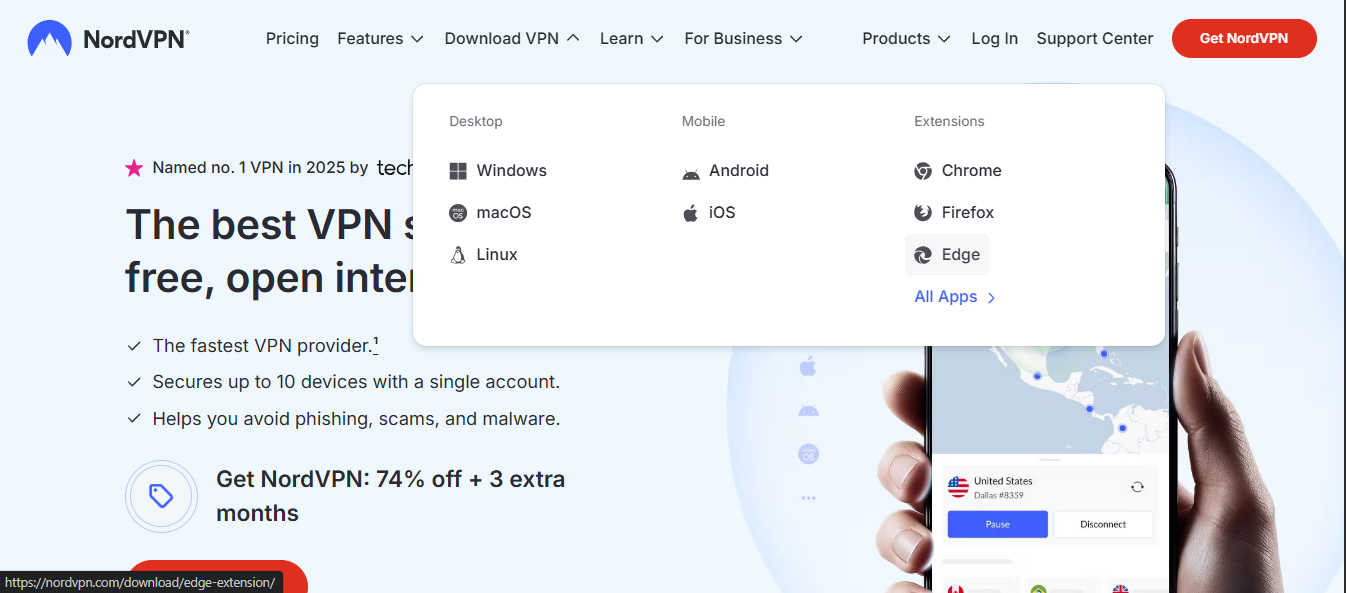
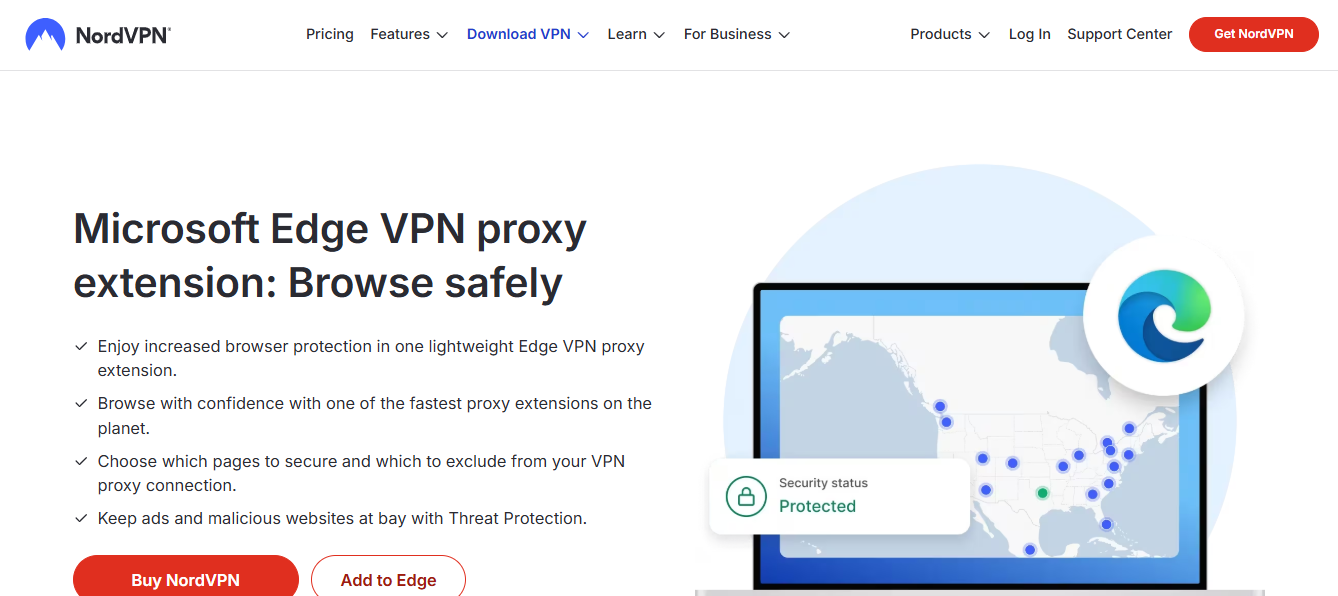
Yes, you can set up a VPN edge extension in minutes by following these steps. Here’s a practical, friendly guide that walks you through choosing the right extension, installing it in Edge and other browsers, configuring for speed and privacy, and troubleshooting common issues. Whether you just want a quick browser-wide shield or you’re hoping to bypass geo-restrictions for streaming, this post has you covered. Along the way, you’ll find real-world tips, clear steps, and handy checks to keep your browsing private and fast. If you’re shopping for a reliable VPN, check out this NordVPN deal here:
Useful resources you might want to reference as you read:
- NordVPN official site - nordvpn.com
- Microsoft Edge Add-ons - microsoftedge.microsoft.com/addons
- VPN extension support pages - support.nordvpn.com, support.google.com, support.microsoft.com
- DNS leak test sites - dnsleaktest.com
- IP check sites - ipinfo.io, whatismyipaddress.com
Introduction short guide In this guide, you’ll learn how to Set up a VPN edge extension for Edge and other browsers, why you might want to use an extension instead of a full app, and how to optimize for speed, privacy, and reliability. Here’s the quick-start overview:
- Pick a reputable VPN extension that supports Edge and optionally Chrome/Chromium-based browsers, since Edge can run those extensions.
- Install the extension from your browser’s official store.
- Sign in or create an account with your chosen VPN provider.
- Grant necessary permissions and set up a secure connection.
- Choose a server, enable kill switch and DNS leak protection if available, and test for leaks.
- Optional: enable split tunneling if your provider supports it, and customize auto-connect rules.
- Test bandwidth and latency to ensure the extension isn’t crippling your browsing speed.
- Troubleshoot common issues like DNS leaks, DNS blocking, or failed connections.
- For mobile or multi-device setups, synchronize settings where possible and remember that extensions may behave differently on each device.
NordVPN deal: click the banner above to explore limited-time pricing and extra months. Review urban vpn ekstensi chrome 2026
Key topics covered in this post:
- What a VPN edge extension does and how it differs from a full VPN app
- How to install, configure, and use a VPN extension in Edge
- Performance, security, and privacy considerations when using browser extensions
- Common pitfalls and troubleshooting steps
- A robust FAQ with practical, beginner-friendly answers
Body
- What is a VPN edge extension and why use it
Edge extensions are lightweight add-ons that run in your browser to route traffic through a VPN provider’s servers for the traffic that goes through the browser. A few things to know:
- It typically protects browser traffic, not your entire device traffic. If you want system-wide protection, you may still want the provider’s full app alongside the extension.
- Extensions are convenient for shielded browsing, private search, and unblocking geo-blocked sites for web content, streaming catalogs, and social platforms.
- They’re quick to install and consume fewer resources than a full desktop app, which is nice if you’re on a laptop, Chromebook, or a less powerful machine.
- Some extensions support extra features like a built-in ad/tracker blocker, a DNS leak check, or a kill switch/watchdog that stops traffic if the VPN disconnects.
Why people love VPN edge extensions:
- Easy on-ramps: fast setup, no complex network configuration.
- Browser-agnostic access: many providers offer Edge, Chrome, and Firefox extensions.
- Quick switching: swap servers with one click without rebooting or reconfiguring.
- Edge extension vs full VPN app: what you should know
- Coverage: The Edge extension protects browser traffic. the full VPN app covers all network traffic on your device.
- Features: Full apps tend to have more options kill switch, malware protection, system-wide DNS settings, split tunneling, auto-connect on startup. Extensions may offer a subset tailored to browser privacy.
- Performance: Extensions add minimal latency but can still affect page load times if the server is far away or if the extension introduces overhead.
- Compatibility: Some sites and services may detect VPNs differently on extensions vs apps. streaming platforms may have different policies for extensions vs apps.
- How to pick the right edge extension for your needs
When you’re choosing a VPN extension, consider:
- Privacy and logs: Look for a provider with a transparent no-logs policy and independent audits when possible.
- Protocols: WireGuard-based extensions usually deliver better speed and stability than older protocols like OpenVPN-UDP, though most reputable providers offer both.
- Kill switch: A browser-based kill switch will block traffic if the VPN connection drops, which is essential for avoiding leaks.
- DNS leak protection: Ensures your real DNS isn’t exposed if the VPN is running.
- Server options: A broad server network improves the chance of finding a fast, nearby server and a broader geo-access range.
- Browser compatibility: Ensure the extension supports Edge and any other browsers you use like Chrome if you move between browsers.
- Resource usage: Extensions should be lightweight and not bog down your system.
- Step-by-step: Setup vpn edge extension in Edge and a quick note for Chrome/Chromium-based browsers This is the core “how-to” you’ve come for. The steps are similar across Edge and Chromium-based browsers, with minor menu differences.
Step 1 — Pick a provider
- Choose a trusted VPN that offers a dedicated Edge extension and strong privacy policies. For example, NordVPN offers Edge-compatible extensions and a suite of privacy features. If you’re curious about deals, you can use the NordVPN banner in this post to explore savings and extra months.
Step 2 — Open Edge and locate the extension store Set up vpn on edgerouter x 2026
- In Edge, go to the three-dot menu > Extensions > Get extensions from Microsoft Edge Add-ons.
- You can also add extensions from a provider’s site if they offer direct installation files, but the Edge Add-ons store is the safest path.
Step 3 — Find and install the VPN extension
- Search for the provider’s name for instance, “NordVPN” or look for a reputable VPN extension with high user ratings.
- Click Add to Edge and confirm permissions. You’ll typically see prompts asking for permission to view and manage data on websites you visit. This is normal for a VPN extension—it needs to route traffic and verify locations.
Step 4 — Sign in or create an account
- After installation, open the extension from the browser toolbar, sign in with your account credentials, or create a new account if you don’t already have one.
- If you sign in on a shared device, consider enabling auto-lock or signing out after use for added privacy.
Step 5 — Configure security settings
- Enable the kill switch if available. This will block all traffic if the VPN disconnects unexpectedly.
- Turn on DNS leak protection. This reduces the risk that your real DNS address leaks when the VPN drops.
- Enable auto-connect on startup or on network change if you want protection by default.
- Check if the extension supports split tunneling and decide whether you want to route only certain sites/applications through the VPN or all browser traffic.
Step 6 — Pick a server and connect
- In the extension, choose a server location. If you’re trying to access a US streaming library, pick a nearby or specifically designated streaming server if offered.
- Click connect. You’ll usually see a quick status indicator showing when the VPN tunnel is active.
- If you’re testing speed, run a quick browser-based speed test or try streaming something to check for buffering or quality changes.
Step 7 — Test and verify Secure service edge vs sase 2026
- Confirm your IP and location show the VPN-protected location via a site like ipinfo.io or whatismyipaddress.com.
- Run a DNS leak test at dnsleaktest.com to ensure your DNS queries aren’t leaving your device exposed.
- If you notice leaks, revisit settings and ensure the kill switch and DNS protections are enabled.
Step 8 — Troubleshooting common issues
- VPN not connecting: try a different server, restart the extension, or restart Edge. If the problem persists, temporarily disable other extensions that may interfere with network settings.
- Slow speeds: pick a server nearer to your location, switch protocol if available, or check your base internet speed to understand the VPN overhead.
- DNS leaks: ensure the DNS protection feature is on, clear DNS cache, and re-test.
- Blocked sites: some streaming services actively detect VPNs. Try a different server, or check if the provider has a dedicated streaming lineup you can enable.
- Security, privacy, and best practices with VPN edge extensions
- Kill switch is not optional. it’s a safety net if the connection drops unexpectedly.
- Use DNS leak protection to keep your real DNS from being exposed.
- Treat the extension as browser-level privacy rather than device-wide privacy. For full protection, pair it with the provider’s desktop or mobile app.
- Regularly update the extension to ensure you have the latest security fixes and improvements.
- Performance considerations: speed, latency, and server choice
- Proximity matters. The closer the server, the lower your latency and typically higher speeds.
- Protocols matter. If your provider offers WireGuard or equivalent, you’ll generally see better speeds than older protocols like OpenVPN.
- Streaming and gaming: if you’re buffering or facing latency spikes, try a dedicated streaming server or a nearby option with load-balancing features.
- Background usage: browser extensions introduce some overhead, but that overhead is usually minor with reputable providers.
- Privacy and logging: what to look for in a VPN edge extension
- No-logs policy: read the provider’s policy to understand what data they collect and retain.
- Independent audits: if available, these offer an extra layer of trust.
- Jurisdiction: consider where the provider is based and how data retention laws may impact you.
- Data handling in browsers: extensions often collect telemetry to improve service. check privacy settings and opt out if possible.
- Cross-device setup and considerations
- Edge extensions are handy on desktops and laptops. for mobile devices, you’ll typically use the provider’s mobile app or a mobile browser extension if supported.
- If you frequently switch between devices, many providers offer a unified account, and some extensions support syncing settings across devices via your account.
- If you need system-wide protection on a device, consider installing the provider’s desktop or mobile app in addition to the Edge extension.
- Common myths and quick truths
- Myth: “A browser extension provides the same protection as a full VPN app.” Truth: Extensions primarily protect browser traffic. full apps protect all device traffic.
- Myth: “Any free VPN extension is safe.” Truth: Free extensions can come with data collection, slower speeds, and weaker security. It’s often worth investing in a reputable paid service.
- Myth: “A VPN extension guarantees perfect anonymity.” Truth: It improves privacy, but no tool guarantees perfect anonymity. Use strong passwords, two-factor authentication, and follow safe browsing practices.
- Tips for getting the most out of your VPN edge extension
- Test multiple servers to find the best balance of speed and access to content.
- Keep the extension updated. enable automatic updates if possible.
- Use a reputable provider with a solid privacy policy and reliable customer support.
- If streaming is your goal, look for “streaming-optimized” servers or a provider known to work with your favorite services.
- Pair with a trusted full app if you need device-wide protection.
- Troubleshooting quick-reference
- Problem: connection drops frequently. Solution: enable kill switch, try a different server, and check for conflicting network configurations or other VPNs.
- Problem: DNS leaks. Solution: ensure DNS leak protection is on and re-run a leak test after reconnecting.
- Problem: slow speed. Solution: move closer to a server, switch to a faster protocol, or pause other bandwidth-heavy activities while connected.
- Best practices for a safer browsing experience
- Always connect via a trusted VPN extension with strong privacy policies.
- Use strong, unique passwords for your VPN account and enable two-factor authentication if available.
- Regularly review the extension’s permissions and revoke any you don’t need.
- Pair your extension with a reputable anti-malware or privacy-focused browser extension if you want extra protection.
Frequently Asked Questions
What is a VPN edge extension?
A VPN edge extension is a browser-based add-on that routes your browser traffic through a VPN server to protect privacy and bypass geo-restrictions. It doesn’t always protect all traffic on your device—only the traffic going through the browser that uses the extension—so for full device-wide protection, consider the provider’s desktop or mobile app.
Can I use a VPN edge extension for streaming?
Yes, many VPN extensions offer streaming-optimized servers designed to unblock popular streaming platforms. If you run into blocks, switch to a nearby streaming server or a server labeled for streaming on your provider’s extension interface.
Does the VPN edge extension protect my entire internet connection?
Usually no. Browser extensions protect browser traffic. For complete device-wide protection, install the provider’s full app on your device in addition to the extension. Should i use edge vpn for privacy and security in 2026: edge vpn guide, features, performance, pricing, and setup
Which browsers support VPN extensions?
Most major browsers support VPN extensions. Edge supports Edge-compatible extensions and, in many cases, extensions from Chrome Web Store since Edge is Chromium-based. Always download from official sources to ensure security.
Is it safe to use a free VPN extension?
Free extensions can pose privacy and security risks, as they may collect data or inject ads. Reputable paid providers with transparent policies are generally safer choices for ongoing protection.
What is a kill switch, and do VPN extensions have one?
A kill switch blocks all traffic if the VPN connection drops, preventing accidental leaks. Many premium VPN extensions offer a browser-level kill switch or integrate it with the browser to block traffic until the VPN reconnects.
Can I run two VPN extensions at once?
Most browsers don’t allow two VPN extensions to operate simultaneously since they conflict at the network level. Pick one trusted provider for the extension and use other methods like a separate app if you need multi-layer protection.
How do I test for IP and DNS leaks?
Visit ipinfo.io or whatismyipaddress.com to verify your IP location shows the VPN-protected region. Then perform a DNS leak test at dnsleaktest.com to ensure your DNS requests aren’t leaking your real identity. Surfshark edge extension: comprehensive guide to browser VPN extension features, setup, performance, and comparisons 2026
Why is my VPN extension slow?
Common reasons include server distance, network congestion on the chosen server, default protocol limitations, or conflicts with other extensions. Try a nearby server, switch to a faster protocol, or disable other extensions that might interfere with network traffic.
Can I torrent using a VPN edge extension?
Some VPN providers allow torrenting behind their extensions, but many restrict or discourage it, especially on browser-based extensions. If torrenting is important to you, check the provider’s policy and consider using a full desktop app with proper port configurations and safety settings.
Does Edge preserve privacy when using a VPN extension?
Edge, like other browsers, respects the extension’s permissions and policies. The privacy you gain from a VPN extension is influenced by the provider’s no-logs policy, the extension’s data handling, and your own browsing behavior. Always review the provider’s privacy policy and use additional privacy features where available.
End of content note If you’re exploring a reliable VPN to pair with this edge extension setup, consider checking out the NordVPN deal banner above for a significant discount and extended trial period. This approach helps you protect your browser traffic quickly while you decide if you want to expand protection to your entire device with the provider’s app.
Resources and further reading unlinked text Thunder vpn edge review 2026: lightning-fast speeds, robust security, and practical VPN features explained
- Microsoft Edge Add-ons store - microsoftedge.microsoft.com/addons
- VPN extension support resources - support.nordvpn.com
- DNS leak testing resources - dnsleaktest.com
- IP lookup resources - ipinfo.io, whatismyipaddress.com
Vpn microsoft edge mobile guide to using a VPN with Edge on Android and iOS