Setup vpn extension microsoft edge 2026
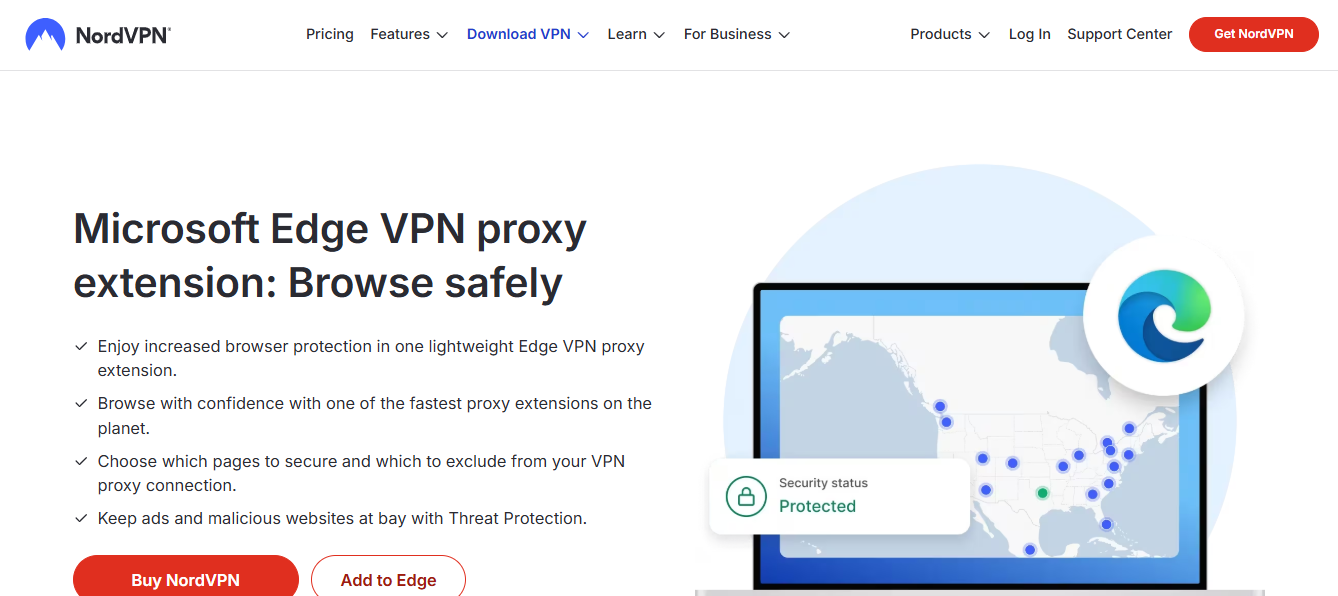
Setup vpn extension microsoft edge. This quick guide shows you how to add and manage a VPN extension in Microsoft Edge, plus practical tips to keep you safe online and get the most out of your VPN. Below you’ll find a step‑by‑step setup, real‑world usage tips, and handy resources to keep you informed.
Quick fact: you can boost your online privacy and access geo‑restricted content by installing a VPN extension directly in Edge. In this guide, you’ll get a practical, easy‑to‑follow path to setup a VPN extension in Edge, plus cross‑checks to ensure the VPN is working as intended. Here’s what you’ll learn:
- Why use a VPN extension in Edge vs standalone VPN apps
- How to install and enable a VPN extension from the Edge Add-ons store
- How to configure common settings auto‑connect, kill switch, DNS leak protection
- How to test your VPN connection and verify IP, location, and speed
- Security and privacy best practices when using VPN extensions
- Troubleshooting tips for common issues
- Quick edge cases for mobile and desktop synchronization
Useful URLs and Resources text only, not clickable
- Edge Add-ons store - microsoft.com
- VPN comparison resources - en.wikipedia.org/wiki/Virtual_private_network
- IP leak testing sites - https://ipleak.net, https://dnsleaktest.com
- Privacy basics - https://www.eff.org
- Security best practices - https://www.kb.cert.org
- Advocate for trusted VPN providers - https://www.avast.com
- Tech help forums - https://www.reddit.com/r/VPN
- Browser extension safety tips - https://www.mozilla.org
- Microsoft Edge support - https://support.microsoft.com/en-us/edge
Why use a VPN extension in Microsoft Edge
- Convenience: One‑click activation right from your browser toolbar.
- Speed: Lightweight, often faster for browsing than full desktop VPN clients.
- Compatibility: Works with most sites you visit in Edge without changing systems settings.
- Privacy boost: Encrypts traffic on the fly for supported sites and networks.
What a VPN extension typically does
- Encrypts your browser traffic or all traffic routed through Edge depending on the extension.
- Masks your IP address to appear as if you’re in another location.
- Blocks or disguises trackers and protects against some malicious scripts on insecure networks.
How to install a VPN extension in Edge
- Open Microsoft Edge and go to the Edge Add-ons store.
- Search for the VPN extension you want e.g., “VPN,” “Private VPN,” or the specific provider name.
- Read reviews and check permissions before installing.
- Click Add to Edge, then Confirm.
- The extension icon appears on the browser toolbar. Click it to sign in or create an account.
- Grant necessary permissions usually notification, proxy, or tunnel settings.
- Turn on the VPN with a single toggle.
Pro tips
- Pick extensions from reputable providers with clear privacy policies.
- Avoid extensions requesting invasive permissions like full device control unless absolutely necessary.
- Some VPNs offer free tiers; for sustained use, a paid plan often provides better encryption, speed, and data allowances.
Initial setup and configuration
Common settings you’ll encounter:
- Auto‑connect: Automatically starts VPN on launch or when you join unsecured networks.
- Kill switch: Stops all browser or device traffic if the VPN disconnects unexpectedly.
- DNS leak protection: Ensures DNS requests are routed through the VPN.
- Protocol selection: Choose OpenVPN, WireGuard, or other protocols supported by the extension.
- Server selection: Pick a country or city to appear from.
Step‑by‑step quick setup
- Step 1: Sign in to the VPN provider within the Edge extension.
- Step 2: Choose a server location that fits your goal e.g., US for streaming, a nearby location for speed.
- Step 3: Enable Auto‑connect on startup for seamless protection.
- Step 4: Enable Kill Switch and DNS leak protection if available.
- Step 5: Test the connection by visiting an IP checker site to confirm the new IP and location.
How to test that your VPN extension is working
- IP check: Visit an IP lookup site to confirm the IP address and geolocation reflect the VPN server, not your real location.
- DNS checks: Use dnsleaktest.com to ensure DNS requests go through the VPN.
- WebRTC test: Some VPNs protect you from WebRTC leaks; run a WebRTC leak test to verify.
- Speed test: Run a quick speed test to compare results with and without the VPN. Expect a small drop in speed due to encryption overhead.
- Leak alerts: If you notice your original IP or location, recheck the extension settings or try a different server.
Edge cases and best practices for different devices
- Desktop vs. mobile: Extensions work in Edge on desktop and some mobile versions; on mobile, you may rely on the provider’s app plus Edge compatibility.
- Cross‑device consistency: If you use Edge on multiple devices, you may want to keep server locations in sync via your provider’s account settings.
- Streaming considerations: Some streaming services block VPNs; switch servers or use obfuscated servers if available.
- Gaming and latency: For latency‑sensitive activities, pick a nearby server and disable unnecessary features like auto‑connect on background usage.
- Public Wi‑Fi: Always enable Auto‑connect on public networks for quick protection.
- Battery and data usage: VPNs add overhead; monitor battery life on laptops and mobile devices.
Privacy and security considerations
- Trustworthy providers: Only use reputable VPNs with transparent privacy policies and independent security audits.
- Data logging: Prefer services with a clear no‑logs policy and independent audits.
- Kill switch necessity: If your VPN unexpectedly drops, the kill switch keeps your real IP private.
- Extensions vs apps: Extensions are convenient, but a full VPN app may offer stronger protection in some scenarios. Use what fits your risk level.
- Browser fingerprinting: VPNs help, but you still share browser fingerprint data. Use privacy‑minded browsing habits and consider additional privacy tools.
Troubleshooting common issues
- VPN won’t connect: Try a different server, recheck credentials, restart the extension, or reinstall.
- Slow speeds: Switch servers closer to your location, choose a less congested server, or change protocols.
- DNS leaks detected: Enable DNS leak protection or switch to a server that supports it.
- WebRTC leaks: Disable WebRTC in Edge settings or use a privacy extension that blocks it.
- Extension blocked by browser policy: Check Edge security settings and ensure the extension is from a trusted source.
Security hygiene when using VPN extensions
- Keep Edge and extensions updated to the latest versions.
- Use a strong, unique password for your VPN account and enable two‑factor authentication if available.
- Disable unnecessary permissions for extensions you don’t use.
- Regularly review server lists and disable locations you don’t need.
- Periodically test for IP and DNS leaks to ensure ongoing protection.
Quick comparison: VPN extension vs VPN app
- Convenience: Edge extension is fastest to enable while browsing.
- Scope: VPN app can route all device traffic, while extensions may only cover browser traffic unless the provider configures system proxy.
- Privacy and features: Apps often include more features split tunneling, per‑app protection but extensions can be enough for secure browsing in Edge.
- Speed: Apps may have lower latency in some cases but extensions are usually lighter on device resources.
Real‑world usage scenarios
- Remote work on public Wi‑Fi: Enable auto‑connect, use a trusted server, and keep kill switch on.
- Bypassing regional blocks for media: Test multiple server locations and streaming platforms, and be mindful of terms of service.
- Privacy‑minded browsing: Combine with safe search, tracker blockers, and minimal data sharing settings.
Tools and resources to optimize your VPN extension experience
- IP and DNS testing tools: ipelek.net, dnsleaktest.com
- Privacy and security basics: Electronic Frontier Foundation EFF, CERT resilience
- VPN provider blogs and knowledge bases: Look for tutorials on setup, kill switch, and DNS leak protection
- YouTube tutorials: Look for recent videos showing step‑by‑step Edge extension setups
- Browser security practices: Microsoft Edge Support pages and privacy settings
Frequently Asked Questions Proton vpn edgerouter 2026
How do I start using a VPN extension in Edge?
Open Edge, go to the Edge Add-ons store, search for your VPN, install, sign in, and enable the VPN from the extension icon.
Will a VPN extension protect all my internet traffic in Edge?
Most VPN extensions protect browser traffic that Edge sends through the extension. Some extensions can proxy all network traffic if configured as a system proxy, but you’ll usually need a VPN app for full device coverage.
Can I use more than one VPN extension in Edge at the same time?
It’s generally not recommended; multiple VPN extensions can conflict and cause disconnects or leaks. Pick one trusted extension and stick with it.
How do I know if my VPN is leaking my real IP address?
Test with IP and DNS leak tests. If your real IP or ISP DNS shows up, disable WebRTC in Edge, reconfigure the extension, or switch servers.
What is a kill switch, and should I use it?
A kill switch stops all traffic if the VPN disconnects. It’s a good safety net on public networks or when privacy matters. Planet vpn edge: the ultimate guide to Planet vpn edge features, performance, setup, pricing, security, and comparisons 2026
Are free VPN extensions safe to use in Edge?
Free extensions may have limits or questionable privacy practices. If you go free, choose well‑reviewed options with clear privacy policies and no data selling.
How do I test VPN speed with an Edge extension?
Run a baseline speed test without VPN, then connect to a server and run the same test. Compare results and consider server load.
How do I fix a VPN that won’t connect in Edge?
Try a different server, re‑log into the extension, clear browser data, or reinstall the extension. If the issue persists, check provider status pages.
Can I use a VPN extension for streaming?
Yes, many people use VPN extensions to access geo‑restricted content. If streaming blocks occur, switch servers or try obfuscated servers if available.
How secure is a VPN extension in Edge?
Security depends on the provider, protocol, and settings. Use a trusted provider, enable DNS leak protection, and keep everything updated. Proxy microsoft edge: how to set up proxies, VPNs, and SOCKS5 in Edge for privacy, security, and regional access 2026
Do I need a VPN extension if I already use a VPN app on my device?
If you want browser‑level protection and easier management while browsing, a VPN extension can be complementary. For full device protection, a VPN app is often better.
What should I do if Edge blocks a VPN extension?
Check Edge extension permissions and security settings, update Edge, and ensure the extension is from a trusted provider. If needed, disable other extensions that may conflict.
Setup vpn extension microsoft edge: how to install configure and optimize a VPN extension in Edge for privacy, security, and fast streaming
Yes, you can set up a VPN extension in Microsoft Edge. In this guide, I’ll give you a clear, step-by-step path to install, configure, and use a VPN extension right inside Edge, plus tips to maximize privacy, speed, and reliability. Whether you’re trying to access geo‑restricted content, protect your data on public Wi‑Fi, or just browse more securely, this walkthrough covers it all. For an easy-to-use option that many beginners love, NordVPN’s Edge extension is a solid pick—check out the banner below and consider trying it out with the special deal.
If you want a quick jump-start, here are the core steps you’ll follow you can use these as a reference while you read the full guide:
- Install through Edge’s Add-ons store
- Sign in to or create your VPN account
- Pick a server location and enable features like kill switch and auto-connect
- Test your connection and verify IP address and DNS are protected
- Tweak privacy settings and performance options for your setup
Useful URLs and Resources unclickable text
- Edge Add-ons store - https://microsoftedge.microsoft.com/addons/category/extensions
- Microsoft Learn on Edge extensions - https://learn.microsoft.com/en-us/microsoft-edge/extensions-chromium/
- NordVPN Edge extension overview - https://nordvpn.com/edge-extension
- ExpressVPN Edge extension overview - https://www.expressvpn.com/edge-extension
- How to test VPN on Windows 10/11 - https://www.avast.com/cybersecurity/vpn-test
- Browser privacy basics - https://www.eff.org/issues/privacy
Body
What is a VPN extension and why use it in Microsoft Edge?
A VPN extension is a small piece of software that runs inside your browser and connects you to a VPN tunnel, encrypting traffic and masking your IP address while you browse. In Edge, extensions behave similarly to those in Chrome because Edge is built on Chromium, which means most legitimate VPN providers offer Edge-compatible extensions.
Why bother using a VPN extension inside Edge?
- Privacy and anonymity: your browsing activity is encrypted and your public IP is masked from websites.
- Bypass geo‑restrictions: access content and services that may be limited to certain regions.
- Public Wi‑Fi safety: protect data when you’re on hotspots in cafes, airports, or hotels.
- Convenience: you don’t need to run a separate VPN app, you can toggle protection right from the browser.
Edge-specific advantages include tight integration with Edge’s privacy features, faster connection handoffs in some configurations, and easier per-site control for simple use cases.
Statistics to consider:
- A growing share of internet users rely on VPN services to protect privacy during daily browsing, with usage increasing year over year in many regions.
- Providers report that VPN extensions generally offer comparable security to full clients for typical web traffic, with the added benefit of per-site management.
Edge extension basics: compatibility and what to expect
- Compatibility: most major VPN brands offer Edge extensions built on the Chromium-based Edge platform, so you’ll usually be able to install directly from the Edge Add-ons store.
- Per-site control: some extensions allow you to disable VPN on certain sites split tunneling at the browser level.
- Kill switch and DNS leak protection: many extensions include a browser-level kill switch, plus DNS protection to reduce leakage when the tunnel drops.
- Performance considerations: VPN can affect latency and speed. choosing the right server location and protocol matters.
Pro tip: not every provider’s Edge extension supports every feature you’d get in their desktop/app version. If you rely on a system-wide VPN for all traffic, you may also want to run the provider’s desktop client in parallel or enable auto-launch on startup.
How to set up a VPN extension in Microsoft Edge step-by-step
1 Open Edge and visit the Edge Add-ons store
- In Edge, go to the menu three dots > Extensions > Get extensions from Microsoft Edge Add-ons.
- You can also search the store directly for “VPN extension” or the specific provider name e.g., NordVPN Edge extension.
2 Choose your VPN extension
- Pick a well-known provider with a solid reputation for privacy and security.
- Read the extension details to confirm features like a kill switch, DNS leak protection, and auto-connect.
3 Install the extension
- Click Add to Edge and confirm the installation when prompted.
- Edge will add the extension to your toolbar. you may need to pin it for quick access.
4 Sign in or create an account
- Open the extension from the toolbar and sign in with your VPN account.
- If you don’t have an account, you’ll typically see an option to create one right in the extension.
5 Configure essential settings
- Server location: pick a country or city depending on what you’re trying to access.
- Protocols: select a protocol that balances speed and security WireGuard-based protocols are popular for speed.
- Kill switch: enable it so traffic is cut off if the VPN disconnects.
- Auto-connect: configure so the VPN starts automatically when Edge launches or when you connect to insecure networks.
6 Test your connection
- Verify your IP address isn’t leaking: use a site like iplocation.net or similar to check your apparent location.
- Check DNS: search for “DNS leak test” and run a test to ensure your DNS requests are going through the VPN tunnel.
7 Optional: per-site control and privacy tweaks
- Some extensions support per-site rules, which means you can disable the VPN for trusted sites or only enable it for sensitive tasks.
- Review the extension’s privacy policy and audit its permissions. Only grant the minimum required permissions.
8 Keep things up to date
- Extensions get updates that improve security and performance. Make sure Edge is set to update extensions automatically, or manually check for updates occasionally.
9 What to do if it doesn’t work
- Disable conflicting extensions and try again.
- Restart Edge or your computer.
- Reinstall the VPN extension.
- Check for Windows firewall or antivirus interference and create an exception if needed.
10 Test again on real tasks
- Open streaming sites, banking pages, or other sensitive services to confirm everything works and your traffic is protected.
Choosing the right Edge VPN extension: features to prioritize
- Strong encryption and privacy policy: look for AES-256 encryption, a no-logs policy, and clear data handling practices.
- Fast, reliable servers: a broad server footprint across continents reduces latency and improves streaming reliability.
- Kill switch and DNS leak protection: essential for privacy when the VPN drops.
- Per‑site or per-tab controls: handy for mobile-like scenarios where you only want VPN coverage on specific sites.
- Cross-platform consistency: if you already use a VPN on other devices, choose a provider that offers synchronized settings and same server options.
- Browser-optimized performance: some providers emphasize browser-traffic optimizations, which can translate to smoother streaming and browsing.
- Customer support and transparency: accessible help channels and clear status pages help when you hit issues.
Recommended providers frequently used with Edge extensions:
- NordVPN: widely available Edge extension with strong privacy, kill switch, and large server network.
- ExpressVPN: known for quick connections and solid browser protections.
- ProtonVPN: privacy‑forward approach with good free tier and strong security posture.
- Mullvad: privacy‑friendly and easy-to-audit policy, though their browser integration is lighter than some competitors.
Note: If you’re trying to save money, your chosen provider’s Edge extension will still require a subscription for full features. The banner above is a practical option to try a premium service at a discount.
Privacy and security best practices when using VPN extensions in Edge
- Use a trusted provider: stick to reputable brands with transparent logging policies.
- Enable the kill switch: it’s your safety net if the VPN tunnel drops unexpectedly.
- Verify DNS is protected: run a DNS leak test to ensure DNS queries aren’t leaking outside the tunnel.
- Update regularly: ensure you’re on the latest version of both Edge and the VPN extension.
- Be mindful of browser fingerprinting: even with a VPN, browser fingerprinting can reveal information about you. consider additional privacy settings or extensions that minimize fingerprinting.
- Limit permissions: only grant the extension the permissions it truly needs.
- Pause VPN when on trusted networks: if you’re on a trusted home network and privacy isn’t a concern, you can disable VPN for local devices—though it’s safer to keep it on if you’re privacy-conscious.
Performance tips: get the most out of your Edge VPN extension
- Choose nearby servers for lower latency: if you’re streaming or gaming, proximity usually means faster speeds.
- Try different protocols: some VPNs offer multiple options like WireGuard, OpenVPN, or their own optimized protocols—test a few to see what gives the best balance of speed and stability.
- Avoid peak times: global demand can affect speeds. try off-peak hours to test performance.
- Split tunneling: if your VPN supports it in Edge, you can route only sensitive traffic through the VPN while leaving other traffic directly through your ISP.
- Close other bandwidth-heavy apps: VPN traffic competes for bandwidth. shutting down extra downloads or streaming in the background can help.
- Check for device bottlenecks: older computers or devices with limited CPU power can struggle with encryption. a lighter extension on a modest device may perform better than a heavier full client.
Edge security features and how they complement a VPN extension
- Tracking prevention: Edge ships with configurable tracking prevention levels. pair it with a VPN to further reduce trackers and data exposure.
- SmartScreen and phishing protections: these protections work alongside a VPN to minimize exposure to malicious sites.
- Sandbox and hardware acceleration: ensure these features are enabled in Edge to maximize performance while staying protected.
- Per-site privacy controls: you can enforce stricter privacy rules on sites that push more data or scripts.
Common issues and how to fix them
- VPN won’t connect:
- Try a different server location.
- Restart Edge or your device.
- Reinstall the extension.
- Check for firewall or antivirus interference and adjust rules.
- Slow speeds:
- Switch to a closer server or a different protocol.
- Check for background downloads or streaming tasks that consume bandwidth.
- IP or DNS leaks:
- Re-run DNS leak tests on a trusted site.
- Re-enable the kill switch and ensure it’s on.
- Extension not appearing after installation:
- Make sure extensions are enabled in Edge settings.
- Pin the extension to the toolbar.
- Clear browser cache and restart Edge.
- Edge updates breaking the extension:
- Check for extension updates after Edge updates.
- Reinstall if issues persist.
Edge versus other browsers: should you use a VPN extension in Edge specifically?
Edge’s Chromium base means most major VPN extensions that work in Chrome will also work in Edge. However, a few nuances can matter:
- Integration with Edge privacy features can be smoother in some extensions.
- Per-site controls may be more or less intuitive depending on the extension’s UI.
- If you rely on features like system-wide VPN policies, you might still want the provider’s desktop app in addition to the browser extension.
If you’re already deeply invested in Edge for speed or work policies, using Edge extensions is typically the easiest path. If you need advanced features across devices, you could pair the Edge extension with the provider’s desktop client.
Pricing, plans, and how to get the best value
- Free vs paid: free VPNs exist but often come with caps on speed, data, or features. For consistent privacy and reliability, paid plans are recommended.
- Long-term plans usually offer the best per-month rate, but look for trial periods or money-back guarantees to test drive a service.
- Multi-device coverage: if you want protection across multiple devices, pick a plan that supports multiple simultaneous connections.
- Bundled deals: affiliate programs and seasonal discounts are common—watch for promotions like the NordVPN offer shown in the intro.
If you’re curious about a straightforward option with a good balance of price, features, and ease of use, the NordVPN Edge extension via the banner is a popular pick for many users who want a reliable browser-level VPN with strong privacy basics and a broad server network.
Real-world use cases: practical scenarios for using a VPN extension in Edge
- Remote work on public Wi‑Fi: you’re protected on coffee shop networks, reducing the risk of eavesdropping.
- Accessing region-locked streaming libraries: for example, switching to a server in a country where your desired library is available.
- Safe browsing and search: reduce exposure to trackers when you’re researching sensitive topics or testing new products online.
- Privacy-conscious browsing: keep your IP hidden from advertisers and data brokers while still enjoying fast browsing.
- Gaming and low-latency needs: while a browser VPN isn’t a substitute for a full VPN solution for all traffic, it can help with geo-restrictions and privacy in browser-based gaming.
Frequently Asked Questions
# Are VPN extensions in Edge as secure as the full VPN apps?
In many cases, yes for typical browser traffic, but a full VPN app covers all device traffic and may offer additional features like system-wide kill switches. If most of what you do is browser-based, a well‑made Edge extension is a solid choice.
# Do I need an account to use an Edge VPN extension?
Most extensions require an active subscription or at least a login to access servers and features. Some providers offer a limited free tier.
# Will a VPN extension slow down my browsing?
It can, because your traffic is routed through a VPN server. The impact depends on server distance, protocol, and the provider. Using closer servers and efficient protocols typically minimizes slowdowns.
# How do I test if my VPN is really protecting me in Edge?
Run a DNS leak test and an IP location check on trusted sites. Also verify that the VPN kill switch triggers by disconnecting and ensuring traffic doesn’t leak.
# Can I use a VPN extension with multiple Edge profiles?
Yes. Extensions usually work across Edge profiles as long as you’re signed in to the same account or extension instance. Check the provider’s guidance for multi-profile setups.
# Do VPN extensions work with streaming services?
Often yes, but some services try to block VPN traffic. If you encounter issues, switch servers or contact the provider’s support.
# Do VPN extensions log my activity?
Reputable providers publish their no-logs policy. Always read the privacy policy for specifics about what data, if any, is collected by the extension.
# Can I run a VPN extension and another VPN app at the same time?
Running multiple VPNs simultaneously can cause conflicts. It’s usually best to use one VPN at a time and ensure the browser extension is the active protection.
# How do I disable the VPN extension on Edge?
Click the extension icon in the toolbar and choose disconnect or turn off. You can also manage the extension from Edge settings > Extensions.
# Is there a performance difference between Edge VPN extensions and desktop VPN apps?
Yes, a browser extension only protects browser traffic, while a desktop app covers all network traffic and may offer more advanced features. Choose based on your needs.
Note: If you’re exploring a reliable, feature-rich option with a straightforward setup and a strong privacy stance, consider trying NordVPN’s Edge extension the banner in the intro. It’s designed to be user-friendly for beginners while still offering robust security for more advanced users. The link in the introduction will guide you to an affiliate deal, and you can always test it with the 30-day money-back guarantee if you’re not satisfied.
Vpn破解版电脑的真相、风险与替代方案:如何在 Windows/macOS/Android/iOS 上选择与使用合法 VPN 的完整指南