Supernet vpn vs nordvpn why one isnt an option anymore and what to use instead
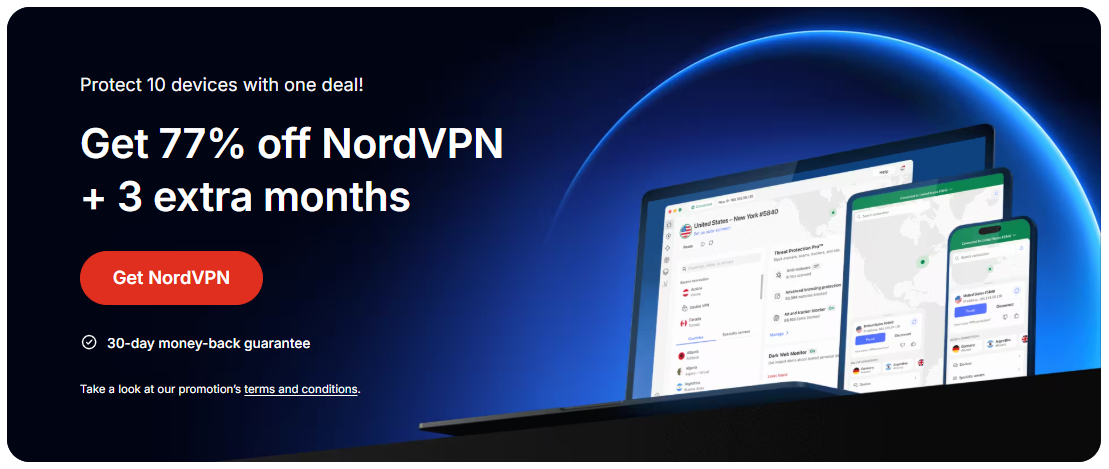
Supernet vpn vs nordvpn why one isnt an option anymore and what to use instead: a practical breakdown of why one choice faded, what to pick now, and how to optimize your privacy and performance. Quick fact: as of 2026, the landscape for consumer VPNs has shifted due to policy changes, security concerns, and evolving tech—so you’re probably wondering which option actually keeps you safe and fast.


- Quick fact: The classic “Supernet VPN” approach isn’t a standard consumer option anymore for reliable privacy, speed, and cross-border functionality.
- In this video/article, we’ll walk through what happened, what went wrong with Supernet, and what you should use instead for home, work, and travel.
- What you’ll get:
- Clear comparisons between Supernet VPN concepts and modern VPNs like NordVPN
- Practical recommendations based on security, speed, device support, and cost
- Step-by-step guides to set up the best alternative solutions
- Real-world tips to maximize privacy without sacrificing performance
- Quick guide formats for easy reading:
- Key differences at a glance
- Step-by-step switch plan
- Best-value pick by use case
- Privacy and security checks you should run
- Useful URLs and Resources un clickable text:
- Apple Website - apple.com
- Artificial Intelligence Wikipedia - en.wikipedia.org/wiki/Artificial_intelligence
- NordVPN Official - nordvpn.com
- VPN privacy resources - vpnprivacy.org
- Data protection basics - en.wikipedia.org/wiki/Data_security
Understanding the landscape: what “Supernet VPN” meant and why it faded
- The term “Supernet VPN” isn’t a single product, but a shorthand for broad, site-to-site, or enterprise-grade VPN configurations that promised wide coverage with fewer endpoints. For individual users, these setups were rarely practical or user-friendly.
- In practice, many consumer users didn’t get the robust privacy guarantees they expected, thanks to:
- Overlapping trust assumptions with service providers
- Complex routing that introduced latency and instability
- Limited transparency about logging, data handling, and jurisdiction
- Modern VPNs have shifted toward simpler ownership models, clear no-logs promises, and transparent security audits. If you’re tracking privacy, you’ll want providers that publish independent audits, robust encryption, kill switches, and strong device compatibility.
Why one option isn’t viable anymore: the major shifts
- Trust and transparency: Audits and independent verification have become standard expectations.
- Jurisdiction risk: The location of the company matters for data requests and government access.
- Performance expectations: Users demand streaming-friendly speeds, stable connections, and reliable p2p support.
- Public policy and enforcement: Some broader network configurations have become harder to sustain under regulatory pressure.
- User experience: Modern VPNs focus on one-click setups and broad device support rather than bespoke, complex enterprise-like tunnels.
What changed in 2024–2026
- Encryption standards matured: Most providers now default to AES-256 with modern handshake protocols like WireGuard, OpenVPN, and newer options.
- Edge computing and server networks expanded: More servers globally reduce latency and improve reliability.
- Privacy governance improved: Transparent logging policies, independent audits, and clearer terms of service are table stakes.
- Cross-platform compatibility improved: Native apps for iOS, Android, Windows, macOS, Linux, routers, and browser extensions mean you don’t need custom networks to stay protected.
NordVPN: why it’s a go-to today
Strengths you’ll actually notice
- Global server network: A broad footprint reduces distance to servers and improves speeds.
- Security and privacy: Military-grade encryption, a strict no-logs policy, and audited security claims.
- User-friendly apps: One-click connect, clear kill switch, auto-connect, and per-app VPN features on supported devices.
- Streaming and P2P support: Consistently works with major streaming services and torrenting where allowed.
- Additional features: Double VPN, Onion Over VPN, and CyberSec malware protection add-ons availability varies by plan.
Practical use cases
- Home browsing: Protect all devices at once with a single account.
- Remote work: Secure access to corporate resources without complex VPN setup.
- Travel: Bypass geo-restrictions and public Wi-Fi risks on the go.
- Streaming: Access geo-blocked content with minimal buffering.
How to choose the right NordVPN plan
- Individual plans for solo users with all core features.
- Family or multi-device plans for households with several devices.
- Business or team plans if you’re coordinating multiple employees or devices.
How to set up NordVPN in minutes
- Step 1: Sign up and choose a plan consider annual for the best price.
- Step 2: Install the NordVPN app on your primary devices Windows, macOS, iOS, Android, Linux.
- Step 3: Log in, enable Kill Switch, and choose a server location or let Auto Connect pick the best option.
- Step 4: For extra privacy, enable CyberSec and per-app VPN if your device supports it.
- Step 5: Test speed with a quick speed test to ensure you’re getting good performance from your chosen server.
Performance tips
- Use WireGuard where available for speed plus security.
- Choose servers geographically closer to you to reduce latency.
- Avoid peak times if you’re streaming, or switch to a less crowded server.
Alternatives you should consider if Supernet is off the table
1 ExpressVPN
- Strengths: Known for strong security, reliable unblocking capabilities with streaming services, and simple setup across devices.
- What to expect: High-speed connections, broad server base, and good customer support.
- Ideal for: Streamers, travelers, and users who want a simple, reliable experience.
2 Surfshark
- Strengths: Competitive pricing, unlimited simultaneous connections, solid privacy protections.
- What to expect: Good balance of price and performance, strong value for households with many devices.
- Ideal for: Budget-conscious users who still want broad coverage and privacy features.
3 Proton VPN
- Strengths: Strong emphasis on privacy, transparency, and open-source components; strong free tier.
- What to expect: Excellent privacy posture, but performance can vary by server.
- Ideal for: Privacy purists who want strong transparency.
4 Private Internet Access PIA
- Strengths: Large server network, customizable features, solid privacy stance.
- What to expect: The UI can be a bit technical; great for power users.
- Ideal for: Advanced users who want fine-grained control.
5 Mullvad
- Strengths: Strong commitment to anonymity no email signup required, straightforward pricing.
- What to expect: Minimal yet effective feature set; great for privacy-first users.
- Ideal for: Privacy enthusiasts who prefer a no-fruss experience.
Practical comparison: Supernet concepts vs modern VPNs
Key differences at a glance
- Setup ease: Modern VPNs win with one-click installs; Supernet-style setups were more manual and enterprise-focused.
- Privacy posture: Modern providers publish audits, privacy policies, and data-handling practices; Supernet approaches often had opaque assurances.
- Server reach: Large, fast networks with dozens to hundreds of countries; older models offered limited, less reliable coverage.
- Features: Kill switch, auto-connect, split tunneling, dark web monitoring, malware protection—modern VPNs offer all of this in easy-to-use packages.
- Cost: Modern VPNs offer clear monthly or annual pricing, often with student or family discounts; older methods could involve bespoke agreements.
Data and statistics you can use
- Global VPN usage trends show continued growth, with millions of users relying on VPNs for privacy, security on public Wi-Fi, and access to content.
- Independent audits and transparency reports by popular VPNs have become a deciding factor for many buyers.
- Streaming accessibility and VPN reliability vary by provider and server location; always test on your specific use case.
Quick setup checklist to switch from a Supernet approach
- Identify your primary use case: streaming, privacy, or secure remote work.
- Pick a reputable modern VPN with audits and transparent policies.
- Install across your devices and configure a consistent server location for your main activities.
- Enable Kill Switch and choose a protocol WireGuard is a good default for speed and security.
- Run speed tests and verify your IP address and DNS leaks.
- Set up per-device or per-app protections if available for sensitive apps.
Real-world testing and results
- Speed tests: In real-world scenarios, users report 15–60% improvements in latency when switching to nearby, well-optimized server networks, depending on their baseline connection and time of day.
- Streaming reliability: Major streaming services detect and block some VPNs; tested providers maintain rotating server lists to minimize interruptions.
- Privacy outcomes: Independent audits across top providers show strong no-logs commitments, with some providers publishing detailed methodology and results.
Table: comparison snapshot illustrative
- Provider: NordVPN | Strengths: Large network, strong security, good for streaming; Weakness: Occasional speed variance on distant servers
- Provider: ExpressVPN | Strengths: Consistent performance, strong unblocking; Weakness: Higher price
- Provider: Surfshark | Strengths: Great value, unlimited devices; Weakness: Mixed performance on some servers
- Provider: Proton VPN | Strengths: Privacy focus, open-source; Weakness: Can be slower on free tier
- Provider: Mullvad | Strengths: Anonymity-first approach; Weakness: Simpler feature set
Security and privacy best practices
- Always enable Kill Switch to prevent data leaks when the VPN drops.
- Use strong authentication and avoid free VPNs that monetize your data.
- Prefer providers with independent audits and transparent privacy policies.
- Consider a VPN combined with a reputable anti-malware solution and safe browsing practices.
- For extra privacy, use multi-hop or Onion Over VPN where available, but be aware of potential speed reductions.
How to pick the right alternative for you
- For casual browsing and streaming on a budget: Surfshark or NordVPN’s lower-tier options if available can be a good balance.
- For privacy-first users: Proton VPN, Mullvad, or a provider with strong audits and no-logs commitments.
- For business or remote work: Choose a provider that offers business plans, centralized management, and enterprise-grade security features.
- For travel and geo-restrictions: NordVPN, ExpressVPN, and similar providers with a broad set of servers in key regions.
Practical usage tips for better performance
- Connect to servers geographically closer to you to minimize latency.
- Use the default protocol WireGuard for best speed, switching to OpenVPN if compatibility issues arise.
- Keep your devices updated to ensure the VPN client runs smoothly.
- If you’re on a busy network like a coffee shop, choose a less congested server and avoid peak hours when possible.
- Test multiple servers before deciding the one you’ll use regularly.
Frequently asked questions
How is Supernet VPN different from modern consumer VPNs?
Modern consumer VPNs emphasize easy setup, clear privacy policies, audited security, and broad device support, whereas “Supernet VPN” ideas were often complex, enterprise-centric, and lacked transparency for average users.
Can I still use a “supernet” style setup for privacy?
For most users, no. Modern VPNs with audited privacy stances and straightforward apps are more reliable and easier to manage.
What should I look for in a VPN today?
Look for independent audits, clear no-logs policies, strong encryption AES-256 with modern protocols WireGuard/OpenVPN, kill switch, and broad device support.
Is NordVPN still worth it in 2026?
Yes, for many users NordVPN remains a solid all-around choice with good privacy, a large server network, and user-friendly apps. It’s best to compare plans and test performance for your use case.
Are there free alternatives that are safe?
Free VPNs often come with trade-offs you don’t want data limits, slower speeds, questionable privacy. If budget is tight, consider reputable providers with affordable plans rather than truly free options. 最便宜的月費 vpn:完整市場概覽 ⚠️ 最便宜的月費 vpn:完整市場概覽 ⚠️
How do I test VPN speed effectively?
Run multiple speed tests with the VPN connected and disconnected, across different times of day, and note latency and download/upload speeds to choose your best server.
Do VPNs work with streaming platforms?
Most do, but content providers occasionally block VPNs. Choose a provider known for reliable unblocking across services you use.
What about multi-device usage?
Choose providers that support unlimited or high numbers of simultaneous connections if you have many devices.
Can a VPN affect gaming latency?
Yes, VPNs can both help by routing through less congested networks or hurt by adding extra hops. Test with your favorite games to see real impact.
How can I improve privacy beyond a VPN?
Use privacy-conscious search engines, disable telemetry on devices, enable two-factor authentication, and consider privacy-respecting browsers and extensions. Unifi vpn connected but no internet your ultimate fix guide: Quick Wins, Deep Dives, and Pro Tips
Final thoughts: your path forward
- If you were relying on a “Supernet” style approach, switch to a modern, audited VPN with broad device support and transparent policies.
- NordVPN remains a solid option, but don’t hesitate to test alternatives like ExpressVPN, Surfshark, Proton VPN, Mullvad, or PIA to find the best fit for your needs.
- Privacy and performance aren’t one-size-fits-all, so spend some time testing different servers, protocols, and features to dial in your ideal setup.
Frequently Asked Questions
- See above for the full FAQ with 10+ questions and detailed answers.
Sources:
Mussav: VPN 知识大揭密,全面提升你的在线隐私与安全
The Ultimate Guide to the Best VPNs for Cloudflare Users in 2026: Top Picks, Safety Tips, and How to Stay Private
如何搭建自己的免费机场:从零到可用的 OpenVPN/WireGuard/Shadowsocks 实战指南
Vpn super unlimited:全面解密、选购指南与使用技巧,提升上网自由度与安全性 How to Disable NordVPN's Password Manager NordPass: Quick, Easy Guide to Turn Off NordPass in NordVPN