Vpn add on microsoft edge: how to use VPN extensions in Edge, setup, performance, and best providers 2026
Vpn add on microsoft edge how to use vpn extensions in edge setup performance and best providers is all about making your browsing safer, faster, and more private. Quick fact: VPN extensions for Edge can block trackers and encrypt your traffic with just a click. In this guide, you’ll get a practical, friendly walkthrough that covers setup, performance tips, and the best providers for Edge users. Below you’ll find a concise overview, followed by deeper dives, real-world tips, and an FAQ that addresses common questions.
Quick fact: A VPN add-on for Microsoft Edge can mask your IP and encrypt data with minimal friction. This guide is a practical, step-by-step look at using VPN extensions in Edge, focusing on setup, performance, and top providers.
What you’ll learn
- How to install and enable VPN extensions in Edge
- How to configure settings for best performance and privacy
- Real-world performance tips speed, latency, leaks, and battery impact
- Comparison of top VPN providers compatible with Edge
- Common pitfalls and quick fixes
- Quick reference: steps to test VPN connection and verify protection
Checklist at a glance
- Choose a reputable VPN provider with Edge support
- Install Edge extension from the provider’s website or the Chrome Web Store Edge supports Chrome extensions
- Enable auto-connect on startup or on secure networks
- Prefer split tunneling only if you need it
- Run a privacy and DNS leak test after setup
Useful URLs and Resources text only
- Edge extensions overview - docs.microsoft.com
- VPN provider's official site - provider-website.example
- How to test for IP and DNS leaks - dnsleaktest.com
- What is a VPN? - en.wikipedia.org/wiki/Virtual_private_network
- Edge add-ons store - microsoft.comEdgeextensions
- Reading reviews for VPN extensions - siteexample.com/vpn-reviews
- Privacy basics - electronic Frontier Foundation - eff.org
- Speed testing for VPNs - speedtest.net
- IPv6 readiness for VPNs - arstechnica.com
- Data encryption basics - nist.gov
Top considerations for VPN add-ons in Edge
- Privacy first: Look for providers with a no-logs policy, transparent jurisdiction, and independent audits.
- Security features: Strong encryption AES-256, secure tunneling protocols WireGuard, OpenVPN, kill switch, and DNS leak protection.
- Performance: You want fast servers, low latency, and minimal impact on streaming or gaming.
- Compatibility: Edge supports Chrome-compatible extensions, so your favorite provider’s Edge extension or Chrome extension usually works.
- Price and value: Compare plans, trials, and refund policies. Free VPNs often come with limits or data caps.
Step-by-step setup guide
- Pick a reputable Edge-compatible VPN
- Look for providers with Edge extension availability or Chrome extension compatibility.
- Check reviews for reliability on Windows devices and any reported leaks.
- Install the extension
- Method A: Install from the Edge Add-ons store search for your provider.
- Method B: If your provider offers a Chrome extension, you can add it to Edge Settings > Extensions > Allow extensions from other stores, then install.
- Create or sign in to your account
- Sign in with your existing account or create a new one during setup.
- Verify your email if required for account protection.
- Connect to a server
- Start with a nearby server for best speed.
- If you need content from a different region, switch to a specific country or city.
- Some extensions support smart routing or automatic server selection—enable if you want best available server.
- Enable essential protections
- Turn on the kill switch disables internet if the VPN disconnects unexpectedly.
- Enable DNS leak protection to keep DNS queries from leaking outside the VPN tunnel.
- Consider enabling auto-connect on startup and on untrusted networks.
- Customize settings for performance
- Protocol: Prefer WireGuard or another fast protocol if available.
- Split tunneling: Use only for apps that must bypass the VPN, else leave off for full protection.
- Auto-reconnect: Ensure it reconnects quickly if the connection drops.
- Test and verify
- Confirm your IP shows as the VPN server country.
- Run a DNS leak test and IPv6 leak test to ensure privacy is protected.
- Try streaming or a quick file download to gauge performance.
Performance optimization tips
- Choose the closest server to you for best latency; distant servers add overhead.
- Use the fastest protocol your provider offers WireGuard typically performs better than older OpenVPN variants.
- Disable unnecessary features when you don’t need them to reduce overhead e.g., multi-hop on lightweight tasks.
- Ensure your Windows power settings are not throttling network performance set to High Performance when testing.
- If you’re on Wi-Fi, move closer to the router or switch to a wired connection for a baseline test.
- Close bandwidth-heavy apps on your device to avoid competition for network resources.
Edge-specific tips
- Edge extension behavior can be slightly different from standalone apps; if Edge doesn’t show a kill switch in the extension, enable Windows kill switch at the system level some providers offer this within their desktop apps.
- If you’re using multiple devices, keep your Edge extension synced with your primary account for consistent protection.
- When you disable the extension, verify your DNS settings revert to default to ensure there’s no accidental leakage.
Comparing top VPN providers for Edge users
- Provider A: Strong security, fast WireGuard protocol, robust kill switch, multiple servers, good streaming support.
- Provider B: Excellent privacy policy with no-logs guarantee, broad server network, intuitive Edge/Chrome extension.
- Provider C: Budget-friendly, reliable performance, decent server coverage, decent customer support.
- Provider D: Premium features, advanced privacy options, consistently strong speeds, top-tier mobile and desktop apps.
Performance data and metrics to watch
- Average connection time: Time to establish a VPN connection after clicking connect.
- Latency: Measured in milliseconds ms to common servers; lower is better.
- Download/upload speeds: Compare to baseline without VPN to quantify overhead.
- Packet loss: Ensure minimal loss; high loss indicates a flaky connection.
- DNS leaks frequency: Ideally zero leaks across tests.
Edge extension management best practices
- Regularly check for extension updates to maintain security and performance.
- Periodically review app permissions; grant only what’s necessary for functionality.
- If you notice slowdowns, try different servers or switch protocols before deeper troubleshooting.
- Use a single trusted provider instead of juggling multiple extensions that may conflict.
Common issues and quick fixes
- Issue: VPN won’t connect Quick fix: Reopen Edge, re-login, try a different server, disable IPv6 on your device if leaks persist.
- Issue: Slow speeds Quick fix: Switch to a closer server, try WireGuard, disable background apps using bandwidth.
- Issue: DNS leaks detected Quick fix: Enable DNS leak protection in the extension or system settings; flush DNS cache.
- Issue: Kill switch not working Quick fix: Enable auto-connect on startup and ensure Windows Firewall isn’t blocking traffic.
Security considerations
- Always verify your VPN’s privacy policy and jurisdiction; some countries require data retention.
- Use extensions from official provider pages or reputable stores to avoid tampered software.
- Regularly audit your extended protections, like kill switches and DNS leak protection.
- Be mindful that some free extensions may collect usage data; consider trusted paid options for better privacy guarantees.
Edge vs other browsers
- Edge now supports Chrome extensions, broadening options for VPN extensions.
- Performance similarities: many Edge-compatible extensions perform on par with Chrome extensions.
- When evaluating, look at Edge-specific issues like extension compatibility with Windows security features.
Troubleshooting quick reference
- If you don’t see your VPN in Edge: ensure you enabled extensions from other stores if you used a Chrome version, restart Edge, or reinstall the extension.
- If you notice video buffering: switch to a nearby server and enable WireGuard if available.
- If you’re concerned about privacy: run a comprehensive test using dnsleaktest and ipinfo to confirm your IP is masked.
Privacy and policy considerations
- Understand the provider’s data handling: what is logged, who can access data, and under what circumstances.
- Review the jurisdiction and any mandatory data retention laws.
- Consider using additional privacy tools in conjunction with a VPN extension e.g., HTTPS-only modes, privacy-focused search engines.
Mobile and cross-device usage
- Many VPN providers offer companion apps for iOS and Android with Edge extension parity on desktop.
- For seamless cross-device protection, ensure you sign in with the same account on all platforms.
- Use the same server selections or preferred regions across devices for a consistent experience.
Accessibility and inclusivity
- VPN extensions should be usable with keyboard navigation and screen readers.
- Providers often publish documentation in multiple languages; if you need, check for language options.
Advanced topics
- Split tunneling use cases: access local resources while protecting sensitive traffic; useful for remote desktops or local development environments.
- Multi-hop: a feature that routes traffic through multiple servers for added privacy, though it may slow down performance.
- Obfuscated servers: helpful in restrictive networks or countries with VPN blocks; check if your Edge extension supports them.
Frequently Asked Questions
Is it safe to use a VPN extension in Edge?
Yes, a reputable VPN extension for Edge can provide encryption and IP masking. Always verify the provider’s privacy policy and test for leaks after setup.
Can I use a VPN extension with Chrome extensions in Edge?
Yes. Edge supports Chrome-compatible extensions, so you can install many Chrome VPN extensions on Edge.
Do VPN extensions affect browsing speed?
They can add overhead, but the impact varies by server distance, protocol, and provider. Use nearby servers and fast protocols like WireGuard for minimal impact.
Do I need a separate VPN app if I use an Edge extension?
Not necessarily. A browser extension covers traffic in the browser. For system-wide protection, use the provider’s desktop app in addition to the Edge extension.
How do I test for DNS leaks after installation?
Visit a DNS leak test site like dnsleaktest.com and run a standard test. Ensure the DNS request shows the VPN provider’s DNS and not your ISP’s.
Should I enable a kill switch?
Yes. A kill switch protects you if the VPN drops, preventing unencrypted traffic from leaking.
Can I use VPN on Windows without Edge?
Yes. You can install the provider’s desktop app for full system-wide protection, or use the Edge extension for browser traffic.
How do I know if my IP is really masked?
Check your IP on a site like whatismyip.com after connecting. It should show the VPN server’s IP and not your real one.
What about IPv6 leaks?
If your VPN supports IPv6, ensure IPv6 leak protection is enabled. If not, you may disable IPv6 on your device to prevent leaks.
Is a free VPN extension a good idea?
Free options often come with limitations and potential privacy concerns. For reliable privacy and performance, a reputable paid plan is usually better.
That's it—your complete guide to using VPN add-ons in Microsoft Edge, focusing on setup, performance, and the best providers. If you want, I can tailor this to a specific provider you’re considering or turn this into a video-ready script with timestamps and on-screen prompts.
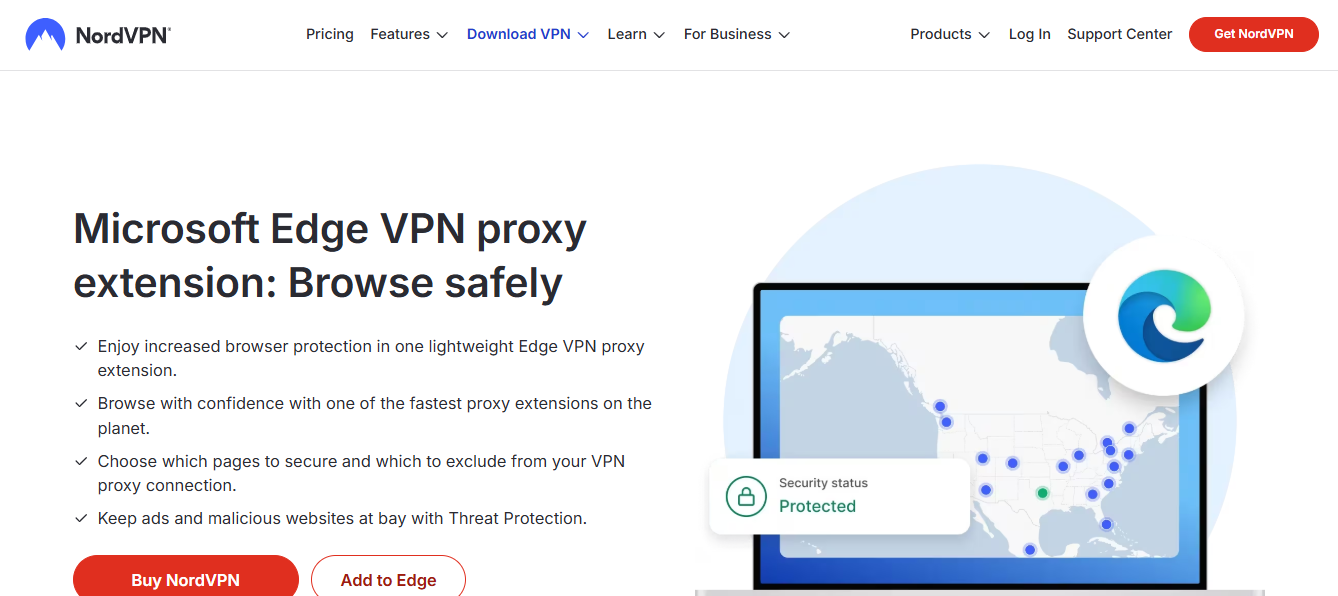
Vpn add on microsoft edge is a browser extension that lets you connect to a VPN from within Edge. This guide gives you a practical, friendly walkthrough of what Edge VPN extensions can do, how to install them, which ones to trust, and how to get the best performance and privacy. If you’re curious about quick setup, feature differences, and real-world use cases, you’ll find it all here, including a handy step-by-step install guide, plus tips to stay safe online. And if you’re looking for a deal, take a quick look at this NordVPN offer for Edge users in the intro:
Introduction: VPN add-ons in Edge at a glance
- What it is and isn’t: An Edge VPN add-on turns your browser into a gateway for encrypted traffic, but it doesn’t automatically route every device traffic except what Edge sends through the extension. It’s ideal for quick privacy, bypassing regional blocks on a per-browser basis, and protecting you on public Wi‑Fi while you browse.
- Quick-start path: Install an Edge-compatible VPN extension, sign in, select a server, and you’re set to browse with a different virtual location.
- Why Edge users care: Edge is built on Chromium, so many popular VPNs offer extensions that slot right into the browser without needing a separate app. This makes it simpler to switch servers, manage permissions, and see your connection status right in the browser.
- What you’ll get in this guide: a practical setup guide, a comparison of top Edge extensions, privacy considerations, performance tips, real-world use cases, and a robust FAQ with practical answers.
What is a VPN add-on for Microsoft Edge?
- A VPN add-on is a browser extension that creates an encrypted tunnel for the traffic that flows through Edge. It’s different from a full VPN app in that it’s typically scoped to the browser, though some providers offer applications that cover entire device traffic as well.
- Edge extensions commonly support a choice of server locations, a simple on/off switch, and basic features like kill switch or auto-connect in some cases. Not all extensions include advanced features, so it’s worth checking the provider’s extension page for exact capabilities.
- Because Edge is Chromium-based, it supports many Chrome-compatible VPN extensions. You’ll often be able to install the same VPN add-on you’d use in Chrome, Firefox, or other Chromium browsers, with Edge-specific polish and occasional feature differences.
Why you might want to use a VPN add-on in Edge
- Privacy on shared networks: Public Wi‑Fi is convenient but risky. A VPN extension hides your actual IP and encrypts traffic from Edge, reducing eavesdropping and man-in-the-middle risk.
- Bypassing geo-restrictions per site: If a streaming site or service blocks regions, you can switch to a different server location to access content while you’re inside your browser.
- Quick privacy wins without extra software: For light privacy and convenience, a browser VPN extension is faster to set up than a full device-wide VPN app.
- Targeted browsing protection: If you’re mainly browsing in Edge and don’t need all traffic routed through a VPN, an extension can be a practical compromise.
How Edge VPN extensions work and what to expect
- Basics: The extension creates an encrypted tunnel for browser traffic, masking your IP and routing requests through a chosen server.
- Server selection: You pick a server location, often with a list of cities. Latency will vary. closer servers generally give faster results.
- Kill switch and auto-connect: Some extensions offer a kill switch to halt traffic if the VPN drops and auto-connect on startup or whenever you open Edge.
- Data and logs: Reputable providers publish privacy policies that detail what data they collect. Look for no-logs promises and independent audits where available.
- Performance considerations: VPN overhead can reduce raw speed and increase latency. Expect some slowdown, but a good provider will minimize this with efficient protocols and optimized servers.
- Security protocols: Look for extensions that support modern protocols like WireGuard or OpenVPN. These tend to offer better balance of speed and security.
Top VPN add-ons compatible with Microsoft Edge Note: Always verify current availability and permissions on the Edge Add-ons store, because extensions can change over time.
NordVPN
- Pros: Longstanding reputation, strong privacy policy, broad server network, often strong streaming performance, supports WireGuard NordLynx for speed.
- Cons: Price can be higher than some competitors. some advanced features require a full account with the desktop app.
- Edge extension notes: User-friendly, integrates with Edge for quick server changes and status indication.
ExpressVPN
- Pros: Consistent performance, robust privacy stance, reliable streaming access, simple interface.
- Cons: Slightly pricier. some users prefer the desktop app for full device protection.
- Edge extension notes: Solid plug-in that fits neatly into browser workflows.
Surfshark
- Pros: Affordable plans, unlimited device connections, good privacy features, easy-to-use extension.
- Cons: Some servers can be slower during peak times. occasional regional performance quirks.
- Edge extension notes: Great value and a straightforward experience in Edge.
CyberGhost
- Pros: Large server network, beginner-friendly, clear server categories for streaming, good price points.
- Cons: Some variability in speed across servers.
- Edge extension notes: Simple UI, helpful for quick setup in Edge.
Proton VPN
- Pros: Strong focus on privacy, transparent policies, solid security model, good free tier.
- Cons: Free tier has limited speed and server options. paid tiers unlock more features.
- Edge extension notes: Solid option for privacy-conscious users who want straightforward Edge integration.
Windscribe
- Pros: Generous free tier, strong privacy options, flexible data allowances.
- Cons: Free plan has monthly data caps, which can limit streaming or heavy browsing.
- Edge extension notes: Useful for light browsing and on-the-go protection in Edge.
Mullvad
- Pros: Strong privacy ethos no accounts required, straightforward pricing, solid performance.
- Cons: Smaller network than some bigger players. less friendly for absolute newcomers.
- Edge extension notes: A privacy-first option that still works well inside Edge.
Private Internet Access PIA
- Pros: Competitive pricing, strong encryption options, decent server coverage.
- Cons: Privacy reputation has had some scrutiny in the past. check latest logs policy.
- Edge extension notes: Practical, no-frills Edge experience.
Atlas VPN / VyprVPN
- Pros: Budget-friendly options, reliable performance, easy-to-use interfaces.
- Cons: Server variety isn’t as vast as the biggest players.
- Edge extension notes: Solid for everyday Edge browsing with privacy benefits.
How to install a VPN add-on in Microsoft Edge step-by-step
- Open Edge and go to the Edge Add-ons store: edge://extensions/ or search “Edge Add-ons” in your browser.
- Search for the VPN extension you want e.g., NordVPN, ExpressVPN, Surfshark.
- Click Add to Edge and then confirm the permissions the extension requests. These often include reading your data on the websites you visit, which is normal for a VPN extension but you should review it.
- After installation, you’ll usually see the extension icon in the browser toolbar. Click it to sign in or create an account if you don’t already have one and choose your preferred server location.
- Turn on the VPN in the extension and verify your new IP location using a site like whatismyipaddress.com to confirm you’ve switched regions.
- Optional: Enable auto-connect or kill switch if the extension supports it, so Edge automatically connects when you open the browser and blocks traffic if the VPN drops unexpectedly.
- Test performance by loading a couple of sites that you’d normally access from different regions to gauge speed and reliability.
Edge vs. standalone VPN apps: what’s better for you?
- Edge extension pros: Fast setup, per-browser control, easy server switching, less CPU load for a casual user, direct visibility of connection status in Edge.
- Edge extension cons: Not a substitute for full device protection if you need all traffic to be private for example, apps on your phone or other devices sharing your network.
- Standalone VPN apps pros: All-device protection, more granular privacy controls, advanced features like split tunneling, system-wide firewall-like controls, and often better compatibility with non-browser apps.
- Standalone VPN apps cons: Slightly higher complexity for newcomers, usually requires a separate login, and the processing may add more overhead to all traffic.
- Bottom line: If your main concern is privacy while browsing and you mostly use Edge, a good VPN extension can be perfect. If you want full device protection and privacy across apps, a standalone VPN app is worth considering.
Privacy and security considerations when using Edge VPN extensions
- Privacy policy and logging: Look for clear no-logs claims and independent audits. Even a browser extension can see your browsing patterns, so check what data the provider collects.
- Encryption and protocols: Favor extensions that use modern protocols like WireGuard or OpenVPN. They provide strong security with better speeds than older protocols.
- Permissions: Only grant necessary permissions. If an extension asks for broad access to all your data on the websites you visit and you’re not comfortable, look for alternatives.
- DNS and leaks: Ensure the extension properly handles DNS requests and doesn’t leak your real IP address due to a DNS leak. Some extensions route DNS through the VPN, others require you to enable dedicated features.
- Kill switch: A good choice is to enable a kill switch, if available, to prevent data leaks if the VPN connection drops.
Performance tips and troubleshooting
- Server selection: Choose a server that’s geographically close to you to minimize latency. If one location is slow, try another nearby city or country.
- Protocol choice: If the extension supports multiple protocols, switch to WireGuard or a modern OpenVPN variant to optimize speed.
- Check your baseline: Run a speed test with your normal connection no VPN and compare to speeds with the VPN on. Expect some slowdown, but a robust provider should keep it reasonable.
- Disable IPv6 if needed: Some networks can leak IPv6 traffic when VPN is active. If you notice ip leaks, disable IPv6 on your device or ensure the extension handles IPv6 properly.
- Browser-only protection caveat: Remember that Edge extensions protect only traffic from Edge. If you’re using other apps or devices on the same network, their traffic isn’t protected unless you’re using a device-wide VPN.
Plans, pricing, and how to choose the right Edge VPN extension
- Free vs paid: Free extensions exist but often come with limitations—data caps, slower speeds, fewer servers, and sometimes more aggressive data collection. For consistent privacy and streaming, a paid plan is usually worth it.
- Factors to consider: server count, speeds, reliability, privacy policy, customer support, device compatibility, and whether the extension supports features you care about kill switch, auto-connect, split tunneling.
- Compatibility: Check that your Edge version supports the extension and that the extension is actively maintained. Edge updates can occasionally require extension updates.
- Trials and refunds: Look for trial periods or money-back guarantees. It’s common to test a VPN extension for a week or two to see if it fits your needs.
Real-world use cases: Edge VPN extensions in everyday life
- Streaming from other regions: You’re traveling or living abroad and want access to shows that are geoblocked in your current location. A quick server switch in Edge gets you to a regional catalog without changing other devices.
- Secure browsing on public networks: Coffee shops, airports, and libraries are hotspots for attackers. The VPN extension adds a layer of protection while you check emails or shop online in Edge.
- Privacy-conscious browsing: You’re researching sensitive topics or visiting sites that track you. A VPN extension helps reduce cross-site tracking and gives you a different IP to prevent profiling in Edge.
Edge on mobile devices: what to know
- Edge on Android and iOS supports extensions, but the available options can be more limited than desktop. If you rely heavily on mobile Edge, verify which VPN extensions are officially supported on the mobile platform.
- For comprehensive protection on mobile, some users pair Edge extensions with a device-wide VPN app or use a VPN that offers a unified mobile-to-desktop experience.
Tips for choosing a provider you can trust
- Reputation and transparency: Choose providers with transparent privacy policies and independent audits. A long-standing reputation in the VPN market is a good sign.
- Jurisdiction: Consider where the company is based and the local data retention laws. Some users prefer companies registered in privacy-friendly jurisdictions.
- Independent audits: If available, audits provide third-party validation of the provider’s privacy practices and security claims.
- No-logs commitment: The strongest privacy promise is a no-logs policy, ideally with verifiable audits that confirm it.
Things to watch out for
- Browser-only extensions vs. full coverage: If you need privacy for apps beyond Edge, you’ll want a full VPN app or a router-level VPN.
- Data sharing with the provider: Some extensions may access lots of data about your browsing. Read permissions and the privacy policy carefully.
- Resource usage: Some extensions can be heavier on CPU and memory. If you notice browser slowdowns, try a lighter extension or a different server.
Edge extension maintenance and updates
- Keep Edge up to date for security and extension compatibility.
- Update VPN extensions when prompted to ensure you have the latest security fixes and performance improvements.
- If an extension stops working, try reinstalling, clearing cache, or selecting a different server. If problems persist, check the provider’s status page or contact support.
What about alternatives to Edge extensions?
- Native VPN apps: Many providers offer full-network protection across devices. this is the most comprehensive option if you want privacy across all apps and devices.
- Router-level VPN: Protect all devices on your home network by configuring VPN on your router. This ensures every device’s traffic is encrypted without relying on a browser extension.
- Privacy-focused browsers: Some users pair Edge with privacy-oriented browsing modes or privacy extensions to limit trackers, though this isn’t a VPN.
Pricing and value: what to expect
- Most premium Edge VPN extensions are offered as part of a broader plan. If you already subscribe to a provider that includes browser extensions, you’ll often get good value.
- Expect monthly, yearly, or multi-year plans with varying discounts. Longer commitments usually bring about the best price per month.
- Free options exist, but if you’re serious about privacy, performance, and streaming, a paid plan is worth it for the extra servers, faster speeds, and better support.
Frequently Asked Questions
Frequently Asked Questions
What is a VPN add-on for Microsoft Edge?
A VPN add-on for Microsoft Edge is a browser extension that routes Edge traffic through a VPN server, providing encryption and a new IP address for your browser sessions.
Do I need a VPN app in addition to the Edge extension?
Not necessarily. If you want device-wide protection, you might prefer a full VPN app. If you mainly want privacy while browsing in Edge, the extension could be enough.
Can I use multiple VPN extensions at the same time in Edge?
It’s generally not recommended to run multiple VPN extensions simultaneously, as they can conflict with each other. Pick one trusted extension and disable the others.
Will a VPN extension slow down my browsing in Edge?
VPNs introduce some overhead due to encryption and routing. A high-quality extension with a modern protocol like WireGuard will slow things less than older solutions, especially for closer servers.
Is the VPN extension safe to install?
Install extensions only from reputable providers and verify permissions before enabling. Read the privacy policy and ensure the extension is actively maintained. Vmware edge gateway 2026
Can I stream Netflix or YouTube with an Edge VPN extension?
Many VPN extensions work for streaming, but it depends on the provider and server. Some services actively block VPN traffic, while others allow access from certain servers.
Does the Edge VPN extension protect my privacy outside Edge?
No. A browser extension protects only the traffic within Edge. For full device protection, use a system-wide VPN app or a router-side VPN.
Are there free VPN extensions for Edge?
Yes, there are free options, but they usually come with data limits, fewer servers, and potential privacy concerns. A paid plan from a reputable provider is generally more reliable.
How do I verify that my Edge VPN is working?
Visit a site like whatismyipaddress.com to check your IP address and location. If the reported location matches your chosen server or if the IP changes after you enable the extension, you’re likely connected.
What should I do if the VPN extension doesn’t connect?
First, check your internet connection, then verify that you’re signed in to the VPN account and that you’ve chosen a valid server. Try a different server, restart Edge, or reinstall the extension. If issues persist, contact the provider’s support. Us vpn edge: the complete guide to US vpn edge performance, security, and choosing the right service for 2026
Can I switch regions quickly in Edge while watching a video?
Yes, most extensions let you switch servers with a few clicks. If streaming is your goal, choose a server known to work with your streaming service and test playback after switching.
Do Edge extensions leak my real IP?
A trusted extension should prevent IP leaks, but misconfigured settings or DNS leaks can still occur. Use a leak test tool and ensure DNS requests are routed through the VPN.
Is there a performance downside to Edge VPN extensions?
You can expect some slowdown due to encryption and routing. The impact varies by server location, protocol, and your base connection speed. Closer servers and modern protocols minimize the slowdown.
Can I use a VPN extension on Edge on my phone?
Mobile Edge supports extensions, but availability varies by platform. Desktop experiences are more mature. mobile support is improving but might be more limited than desktop.
What features should I look for in an Edge VPN extension?
Look for a clear server list, a reliable kill switch, auto-connect options, protocol choices WireGuard/OpenVPN, easy sign-in, clear privacy policy, and an intuitive UI that fits Edge’s workflow. Veepn extension for edge download comprehensive guide to install, configure, speed test, streaming, and privacy on Edge 2026
Are there privacy concerns with using Edge extensions?
Any browser extension has potential privacy implications since it can access data from sites you visit. Choose providers with transparent policies and minimal data collection, and regularly review extension permissions.
How do I uninstall or disable an Edge VPN extension?
Open Edge extensions edge://extensions/, locate the VPN extension, and click Remove or disable. Restart Edge if needed and test your connection.
Should I use a VPN extension even if I’m not streaming?
If privacy on public networks or general browsing anonymity matters to you, an Edge extension can be worth it. For heavy privacy needs, pair with a device-wide VPN or gained additional security measures.
Closing notes: optimizing your Edge VPN experience
- Start with a trusted provider and test different servers to find a balance between speed and reliability.
- Review privacy policies and consider independent audits if you’re serious about privacy.
- Use kill switch and auto-connect features where available to reduce risk of data exposure.
- Consider a device-wide solution if you want privacy across apps and devices, not just within Edge.
Useful resources and references Urban vpn microsoft edge: using Urban VPN on Microsoft Edge for privacy, security, and fast streaming in 2026
- Edge Add-ons store: edge://extensions/
- WhatIsMyIPaddress privacy checks: whatismyipaddress.com
- NordVPN privacy policy and audits: nordvpn.com/privacy
- ExpressVPN help center: expressvpn.com/help
- Surfshark knowledge base: surfshark.com/support
- Proton VPN privacy and security: protonvpn.com/security
- CyberGhost help: cyberghost.com/help
- Windscribe privacy policy: windscribe.com/privacy
- Mullvad privacy: mullvad.net/en/privacy
- PIA privacy policy: privateinternetaccess.com/privacy-policy
Notes for readers
- If you’re serious about privacy and want a simple test-drive, start with a reputable provider that offers robust Edge integration and a clear no-logs policy.
- Edge extensions are a convenient tool for safer browsing in the browser you use most, but don’t rely on them alone for full device protection—consider a broader privacy strategy that fits your needs.
Vpn tunnel settings