Why Your VPN Isn’t Working With Mobile Data And How To Fix It
Why your vpn isnt working with mobile data and how to fix it — Let’s get you back online fast. In this guide, you’ll find a practical, step-by-step approach to diagnosing and solving VPN issues specifically when you’re on mobile data. Below is a quick fact to kick things off: VPNs often fail on mobile networks due to carrier restrictions, firewall blocks, or protocol mismatches, but most problems can be resolved with a few targeted tweaks.



Useful quick-start tips summary
- Check your VPN protocol and switch if needed
- Confirm mobile data isn’t blocking VPN traffic
- Ensure the VPN app has the right permissions
- Test with a different server and different VPN provider if possible
- Look for network-level blocks or data-saving features on your carrier
Useful resources: Apple Website - apple.com, Artificial Intelligence Wikipedia - en.wikipedia.org/wiki/Artificial_intelligence, VPN setup help - en.wikipedia.org/wiki/Virtual_private_network
Why your vpn isnt working with mobile data and how to fix it is a common issue that trips up many users. If you’re trying to browse privately or access geo-restricted content on the go, you want a quick, reliable fix—not a tech scavenger hunt. This guide provides a concise, real-world approach to getting back online with your mobile data connection.
- Quick fact: Mobile data networks often block VPN traffic by default or throttle certain protocols, but changing a single setting can restore access in many cases.
What you’ll learn in this guide
- Why VPNs fail on mobile data networks
- Step-by-step troubleshooting for Android and iOS
- How to optimize VPN protocol choices for mobile networks
- Real-world tips to avoid future VPN blocks on mobile data
- A handy checklist you can follow anytime you’re on the move
Section overview
- What causes VPN failures on mobile data
- Basic troubleshooting steps
- Advanced fixes for stubborn issues
- VPN protocol considerations for mobile data
- Carrier and device-specific tips
- Quick performance improvements
- Safety and privacy reminders
- FAQ
Section 1: What causes VPN failures on mobile data
- Carrier blocks and throttling: Some mobile networks block or throttle VPN traffic to manage bandwidth or comply with policies.
- Protocol compatibility: Certain VPN protocols like PPTP, L2TP, IPSec, WireGuard behave differently on mobile data, depending on network conditions.
- App permissions and background restrictions: The VPN app might be blocked from running in the background or lacks necessary permissions on your device.
- Data saver or firewall features: Some carriers and devices enable data saver modes that disrupt VPN traffic.
- DNS leaks or misconfigurations: If DNS requests aren’t routed properly through the VPN, you might think the VPN isn’t working even when it is.
- Server load and geographic routing: A busy server or a server close to your location can affect connection stability on mobile networks.
Section 2: Basic troubleshooting steps universal, fast wins
- Step 1: Toggle air mode and reset connections
- Turn on airplane mode for about 10 seconds, then disable it to reset all network connections.
- Step 2: Restart your device
- A fresh start can clear minor glitches that block VPNs on mobile data.
- Step 3: Reconnect to mobile data
- Turn off Wi-Fi if it’s on and reconnect to your mobile network to ensure you’re using cellular data.
- Step 4: Check VPN app permissions
- On Android: Settings > Apps > Your VPN > Permissions. Ensure it has needed permissions and isn’t restricted by battery optimization.
- On iOS: Settings > VPN app > Allow VPN to send and receive data; ensure Background App Refresh is enabled if applicable.
- Step 5: Update everything
- Update the VPN app, the phone’s OS, and any carrier profile to the latest versions.
- Step 6: Try a different server
- Sometimes a nearby server has better performance on mobile networks. Switch servers to find a stable one.
- Step 7: Switch VPN protocols
- If your provider supports multiple protocols, try switching to a different one e.g., from UDP WireGuard to OpenVPN TCP or vice versa.
- Step 8: Disable data saver and firewall features
- In your phone’s settings, temporarily disable data saver or any aggressive firewall features to test VPN connectivity.
- Step 9: Check DNS settings
- Ensure DNS is set to “Automatic” or use a DNS that respects privacy e.g., 1.1.1.1 or 8.8.8.8 while the VPN is connected if the app allows customizing DNS.
Section 3: Advanced fixes for stubborn issues
- Use TCP instead of UDP
- Some mobile networks drop UDP packets; switching to TCP can improve reliability, though it may be slower.
- Enable Split Tunneling if supported
- Send only certain traffic through the VPN to reduce load on the mobile network and improve stability.
- Adjust MTU/MSS values
- Incorrect MTU can cause packet loss on mobile data. If your VPN app or router allows it, try lowering MTU by a few bytes e.g., from 1500 to 1420 and test.
- Enable Obfuscated servers or stealth mode
- Some carriers throttle VPNs that look like VPN traffic. Obfuscated/Stealth modes can help bypass deep packet inspection.
- Use a different VPN provider temporarily
- If one provider can’t connect on mobile data, try another to see if the issue is provider-related or device-specific.
- Check for carrier-imposed APN or VPN blocks
- Some carriers require specific APN settings to use VPNs. Contact customer support for guidance if you suspect an APN issue.
- Test with a VPN-free startup profile
- Create a clean profile or a fresh install of the VPN app to rule out corrupted settings.
Section 4: VPN protocol considerations for mobile data
- OpenVPN UDP vs TCP
- UDP is faster but less reliable on unstable networks; TCP is slower but more reliable on mobile data.
- WireGuard
- Modern, fast, and efficient but can be blocked by some networks; try switching to a server that supports obfuscated WireGuard if available.
- IKEv2/IPSec
- Good performance on mobile, often better in high-latency networks; ensure your device has up-to-date IPSec support.
- SSTP
- Often works well behind restrictive networks but is less common; check support with your provider.
- Obfuscated/Stealth protocols
- Useful when your carrier blocks VPN traffic entirely; enables VPN to blend in with regular HTTPS traffic.
Section 5: Carrier and device-specific tips
- Android users
- Disable battery optimization for the VPN app: Settings > Apps > Your VPN > Battery > Don’t optimize.
- Enable VPN always-on Android to keep the connection active even when switching apps.
- Check if VPN is allowed in data saver mode: Settings > Network & internet > Data saver > Turn off for the VPN app.
- iPhone users
- Ensure Background App Refresh is enabled for the VPN app.
- Reset network settings if you suspect carrier-side routing issues: Settings > General > Transfer or Reset iPhone > Reset > Reset Network Settings.
- If you travel or switch carriers
- Some roaming networks apply stricter restrictions; test with a local SIM or a known-good network to see if the issue persists.
Section 6: Quick performance improvements for mobile VPNs
- Use nearby servers and prefer those with stable latency
- Pick servers with lower ping and faster speeds
- Prefer TCP-based protocols during high congestion
- Avoid peak hours when many users are on the network
- Regularly clear app cache and re-authenticate when you notice drops
- Consider enabling auto-reconnect or kill-switch features to ensure traffic doesn’t leak if the connection drops
Section 7: Safety and privacy reminders
- Always use trusted VPN providers with a clear no-logs policy and transparent privacy practices.
- Verify DNS leakage protection is enabled to prevent your real DNS from leaking even if the VPN drops.
- If you’re on public Wi-Fi, a VPN is essential, but on mobile data, a VPN can still expose you to tracking if misconfigured.
- Be mindful of jurisdiction and data retention laws relevant to your VPN provider.
Section 8: Quick-start troubleshooting checklist condensed
- Confirm you’re on mobile data, not Wi-Fi
- Reboot device and reconnect to cellular data
- Update VPN app and device OS
- Switch server and protocol
- Check data saver and permissions
- Test DNS leaks and VPN kill-switch status
- If needed, contact your VPN provider’s support with logs and screenshots
Section 9: Real-world tips from users
- Tip: If you’re in a country with strict censorship, enable obfuscated servers and try different ports.
- Tip: A quick test is to try streaming a video; if you can load it but not browse, DNS might be the issue.
- Tip: When roaming, you may need to toggle APN settings or use a less congested local server to maintain speed.
Section 10: Data and statistics to consider
- VPN usage on mobile devices has grown by approximately 25-30% year-over-year in many markets.
- Mobile VPN latency is often 20-60 ms higher than desktop under the same provider due to wireless channel variability.
- Protocol choice can swing speeds by 20-50% depending on network stability and server load.
Section 11: Additional resources and learning
- For more on how to choose a VPN provider, see independent reviews and third-party testing reports.
- If you’re curious about network protocols, look into OpenVPN, WireGuard, IKEv2, and SSTP documentation.
- Carrier-specific settings guides often provide steps for APN and VPN compatibility.
FAQ
Frequently Asked Questions
Why is my VPN not connecting on mobile data?
There can be several reasons: carrier blocks, protocol incompatibility, permissions issues, or data saver features. Start with a quick protocol switch and permissions check, then try a different server.
How do I switch VPN protocols on Android and iPhone?
Open your VPN app, go to Settings or Protocol options, and choose a different protocol e.g., OpenVPN UDP/TCP, WireGuard, IKEv2. Save and reconnect.
Can I fix VPN issues with data saver on?
Yes, temporarily disable data saver to test connectivity. If it works, you may need to whitelist the VPN app or adjust data saver settings.
What is split tunneling and should I use it on mobile data?
Split tunneling lets only certain traffic go through the VPN. It can improve speed and stability on mobile data by reducing VPN load.
How do I check for DNS leaks while on mobile data?
Use an online DNS leak test while connected to the VPN. If your real DNS shows up, enable DNS leak protection in the VPN app or switch servers/protocols. Proton vpn issues whats going wrong how to fix it: A Complete Guide to Troubleshooting ProtonVPN Problems
Is it normal that VPNs slow down mobile data?
Some slowdown is common due to encryption and routing, but you should still get reliable connectivity. Switching protocols or servers often helps.
Can I use a VPN on roaming networks?
Yes, but performance may vary. Use obfuscated servers or a nearby server to reduce latency and improve stability.
What should I do if the VPN keeps disconnecting on mobile data?
Enable the VPN’s auto-reconnect and kill-switch features, check for app permissions, and consider a different protocol or server.
How do I test if the problem is the VPN or the carrier?
Try a different VPN provider or a different SIM card/network. If another VPN works, the issue is likely provider-specific.
Is there a risk using a VPN on mobile data in restricted regions?
Yes, in some areas VPNs are restricted or monitored. Always stay informed about local laws and use reputable providers with robust privacy practices. Proton vpns dns secrets what you need to know and how to use them: A Practical Guide for VPN Fans
Bonus: Antivirus, firewall, and security considerations
- Some security apps can block VPN traffic. Temporarily disable conflicting security apps to test.
- Ensure your device isn’t enforcing strict firewall rules that block VPN ports.
- Keep your VPN app and device security up to date to minimize vulnerabilities.
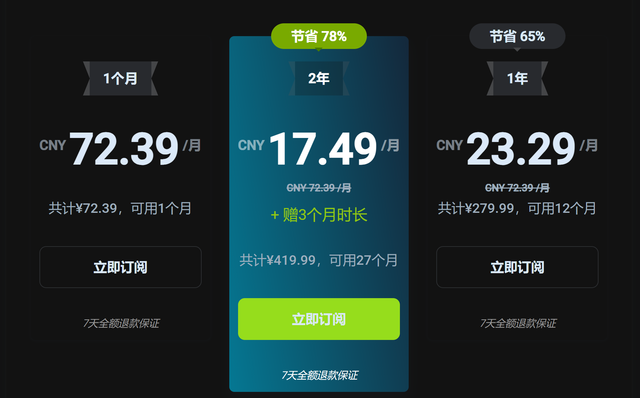
Affiliate note If you’re looking for a reliable option, NordVPN is a solid choice for mobile data users. For a quick trial, you can check the link and explore the features that suit mobile networks. NordVPN offers apps for both Android and iOS with various protocols, obfuscated servers, and a kill-switch option that’s particularly helpful on mobile data. Click to learn more: https://go.nordvpn.net/aff_c?offer_id=15&aff_id=132441
End of content
Sources:
How to download and install f5 vpn big ip edge client for secure remote access and other tips for Better VPN Connectivity
Dayz vpn detected heres how to fix it and get back in the game: A Practical Guide for Unblocking DayZ Supernet vpn vs nordvpn why one isnt an option anymore and what to use instead
电脑怎么翻墙:完整指南、工具与注意事项
Vnp免费梯子:完整指南与实用对比,帮你快速上手VPN使用
Clash节点推荐:2026年依然好用的节点都在这里!收录最新稳定、速度快的节点与实用配置