Explore practical VPN guidance with real-world pricing and setup notes, including NordVPN and ExpressVPN; compare plans and privacy features for informed choices.
Compiled November 2026; check the provider's site for current details.
VPN Guides Category Overview
What this section covers: practical, long-form reviews and comparisons that help readers choose the right VPN for privacy, security, and everyday use. This category focuses on actionable guidance, product dynamics, and decision aids, not hype. We present grounded analysis of how services perform in real-world scenarios, what plans cost, and how features translate into user value.
Key topic clusters you’ll find here include: service comparisons and rankings, setup and usage guides, privacy and security fundamentals, pricing and plan details, and provider-specific workflows. Each piece aims to help you understand real-world implications—whether you’re streaming from a regional library, protecting sensitive work traffic, or simply browsing with more privacy.
Why this category matters: a reliable VPN is a tool that sits at the intersection of privacy, access, and performance. With increasing attention to data protection, regulatory nuance, and cross-border content licensing, readers want durable criteria to evaluate options. We anchor evaluations in current practice: strong encryption like WireGuard and OpenVPN, transparent no-logs claims, independent audits when available, and clear pricing so you can budget effectively. The goal is steady, usable information you can apply without extra frills or misdirection.
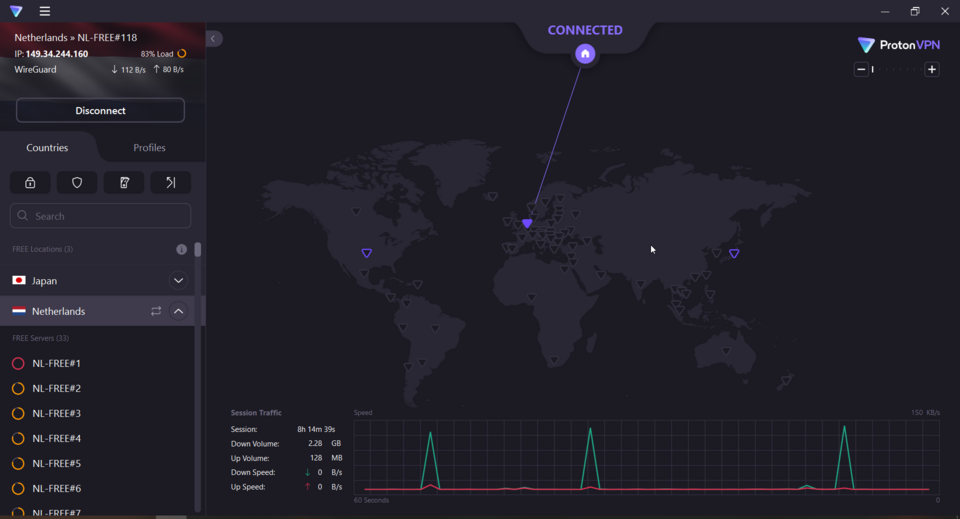
What readers will see on the VPN Guides page: a curated blend of objective comparisons, plan breakdowns, and real-world usage notes across major providers such as NordVPN and ExpressVPN, alongside options that frequently surface in trustworthy evaluations like Surfshark, ProtonVPN, Mullvad, and CyberGhost. We draw from established industry references to illuminate common patterns and notable deviations in performance, jurisdiction, and user experience.
Category-specific focus areas include important decision factors such as:
- Encryption protocols and security posture, including WireGuard and OpenVPN configurations.
- Privacy posture and logging policies, with attention to jurisdictional implications and transparency reports.
- Device coverage and simultaneous connections, platform support, and user-friendly setup flows.
- Streaming compatibility and geo-unblocking behavior for services like Netflix, Disney+, and regional catalogs.
- Price transparency, with comparisons of monthly versus annual plans, student or family bundles, and promotions.
- Support experiences, including typical response times, self-help resources, and live chat options.
- Network performance and reliability across common consumer networks, including how VPNs perform on typical U.S. broadband connections.
- Compliance and regulatory context, such as data retention mandates and privacy laws that shape provider behavior.
Hotspot Shield customer service: how to get help, contact options, and what to expect
Concrete signals you can act on
Pricing transparency: USD pricing with clear monthly vs. yearly options, including common discounts like 2-year plans or student offers where available.
Protocol support: WireGuard and OpenVPN as standard benchmarks across reviews, with notes on IP leaks, DNS protection, and kill switch reliability.
Jurisdiction clarity: how a provider’s base country or regional presence might affect data requests and logging policies.
Streaming and geo-access: evaluation of content access across U.S.-centric services plus regional catalogs where relevant.
Cross-device coverage: number of simultaneous connections and platform breadth (Windows, macOS, iOS, Android, Linux, browser extensions).
Customer support: typical channels, average response times, and availability during high-traffic periods.
Independent validation: references to audits or third-party assessments when present.
Usability notes: installation steps and on-device configuration tips that reduce setup friction.
Country-specific considerations we surface to ground the discussion in practical context while remaining globally applicable. In the United States, you’ll often see monthly plans around $11.99–$14.99, with popular annual discounts pulling the price down to roughly $59.88–$99.96 per year depending on promotions. Local ISPs like Comcast Xfinity, AT&T, and Charter Spectrum commonly route traffic and can influence VPN performance in residential networks, especially on crowded evenings. Streaming regions frequently map to U.S. catalogs, but many readers also want access to UK and EU libraries, which shapes how providers optimize routing. When reviewing payment methods, we note widely used options such as major credit cards, PayPal, and occasionally regional wallets; however, long-term privacy posture often correlates with the provider’s stance on data collection and audit practices rather than payment method alone.
We also document practical usage notes for cities and regions that readers care about. In fast-moving markets, the value of a VPN can hinge on how well it handles transit through urban networks like New York, Los Angeles, Chicago, or Dallas, and how it performs when connected from smaller markets with limited fiber options. Across the broader international landscape, you’ll see references to data protection regimes in the EU and the U.S. and how they influence provider commitments to user privacy and data minimization. These touchpoints help readers make sense of the tradeoffs involved in choosing a service that aligns with personal privacy goals and streaming needs.
Guiding principle: we prioritize clarity over hype. Each entry in this category aims to translate marketing claims into measurable capabilities, supported by real-world testing and transparent pricing. Expect frequent updates as services alter their plans, features, and regulatory posture.