Vpn add on edge: The Ultimate Guide to VPN Add-On Edge Extensions for Privacy, Security, and Streaming in 2026
Vpn add on edge the ultimate guide to vpn add on edge extensions for privacy security and streaming in 2025 is all about how to level up your browsing with Edge extensions that act like VPNs, giving you privacy, security, and reliable streaming access. In this guide you’ll get practical, real-world tips, clear steps, and solid data to help you pick, install, and use Edge extensions that behave like VPN add-ons without slowing you down. Quick note: this intro kicks off with a fast fact, then we break things down in an easy-to-skim format so you can jump to what you care about.
Quick fact: a good VPN add-on for Edge doesn’t just hide your IP; it can also encrypt traffic, prevent fingerprinting, and help you bypass regional restrictions for streaming, all while keeping speed reasonable.
What you’ll get in this guide
- How VPN add-ons in Edge work and when you should use them
- A step-by-step guide to install and configure Edge VPN extensions
- A compare-and-contrast of top Edge extensions for privacy, security, and streaming
- Real-world tips to optimize speed and reliability
- Data-backed insights and up-to-date stats for 2025
Table of contents
- Why you might want a VPN add-on on Edge
- How Edge extensions for VPNs work
- How to choose the right Edge VPN add-on
- Step-by-step: install and configure on Edge
- Top Edge VPN extensions for 2025
- Performance tips: speed, leak protection, and reliability
- Privacy, security, and streaming use cases
- Common myths and mistakes
- FAQs
Why you might want a VPN add-on on Edge
- Privacy and anonymity: Even when you’re not using a private browser, a VPN-like Edge extension helps mask your IP and add a layer of encryption on public networks.
- Accessing geo-restricted content: If you’re traveling or abroad, a good Edge VPN extension can unlock libraries for streaming services.
- Security on public Wi-Fi: Encrypting traffic on open networks reduces the risk of eavesdropping.
- Quick setup: A VPN add-on is faster to turn on than a full VPN client on some devices.
How Edge extensions for VPNs work
- Tunneling: They route your traffic through a remote server, masking your IP address.
- Encryption: They typically use standard VPN protocols or secure tunneling to encrypt data in transit.
- DNS handling: Some extensions manage DNS to prevent leaks, while others depend on your browser’s network layer.
- Split tunneling: A few extensions let you route only specific sites or apps through the VPN, which can help with performance.
- Limitations: Extensions usually don’t replace a full device-wide VPN; some apps or services may still detect traffic in other ways.
How to choose the right Edge VPN add-on
- Privacy policy and logging: Look for no-logs promises and independent audits if possible.
- Protocols and security features: OpenVPN, WireGuard, or similar protocols; strong encryption; kill switch.
- Speed and reliability: Check independent speed tests and user reviews; look for servers in locations you need.
- Compatibility: Ensure it works smoothly with your Edge version and other extensions.
- Streaming performance: If streaming is a priority, prioritize servers known to unblock services.
- Price and trials: Consider whether a free tier is enough or you need paid tiers for reliability.
- User experience: Simple on/off toggle, clear status indicators, and easy DNS protection.
Step-by-step: install and configure on Edge
- Open Microsoft Edge and go to the Edge Add-ons store.
- Search for VPN add-ons or keywords like “VPN,” “privacy,” or the specific extension name you’re considering.
- Read reviews and check permissions requested by the extension.
- Click “Get” or “Add to Edge” and confirm any prompts.
- After installation, open the extension from the toolbar and sign in if needed.
- Choose a server location and toggle the VPN on.
- Verify your IP address and DNS to ensure the extension is working you can use a site like iplocation.net to confirm.
- If the extension offers a kill switch, DNS leak protection, and split tunneling, enable them in settings.
- Test streaming by visiting a streaming service you want to access and see if the library is accessible.
- Regularly update the extension and your browser to keep security fixes current.
Top Edge VPN extensions for 2025
- FastVPN Edge Extension: Known for minimal impact on speed, strong encryption, and a broad server network.
- PrivacyGuard Edge Add-on: Focuses on privacy, strict no-logs policy, and robust DNS protection.
- StreamUnlock Edge Extension: Specifically marketed for streaming unblock and stable connections to major libraries.
- SecureTunnel Edge Extension: Emphasizes security features like auto-kill switch and DNS over HTTPS.
- GlobalAccess Edge Add-on: Wide geographic coverage, good for travelers who need multiple region options.
- FreeLite Edge Extension: Good for light users on a budget, but watch data and speeds; often limited in features.
- FamilyShield Edge VPN: Parental controls and kid-friendly features alongside VPN protection.
Performance tips: speed, leak protection, and reliability
- Choose servers close to your location to minimize latency.
- Enable a kill switch to prevent leaks if the VPN drops unexpectedly.
- Use DNS leak protection if the extension offers it; test with dnsleaktest.com.
- Consider protocol choices: WireGuard tends to be fast and modern; OpenVPN is very compatible but might be slower in some cases.
- Disable other bandwidth-heavy extensions or apps while streaming to boost performance.
- If you experience buffering, switch servers or temporarily disable the VPN for edge-case content access.
- Use a reputable extension rather than free or lesser-known options to reduce privacy risk.
Privacy, security, and streaming use cases
- Privacy on public networks: Always-on encryption when you’re using coffee shops or airports.
- Streaming from different regions: Switch to a server where your favorite library is available.
- Secure browsing on shared devices: If you’re using a family or shared computer, a VPN extension helps prevent tracking by sites.
- Bypassing throttling: In some cases, ISPs throttle streaming; a VPN extension can help by masking traffic patterns.
Common myths and mistakes
- Myth: A VPN extension on Edge replaces a full device VPN. Reality: It’s usually only browser traffic; other apps may still leak data.
- Myth: All VPNs are equally private. Reality: Logging policies and audit reports vary widely; read the policy carefully.
- Myth: Free extensions are just as safe as paid ones. Reality: Free options can come with data limits, ads, or selling data.
- Myth: VPNs always speed up your connection. Reality: Depending on server load and distance, speeds can drop; pick a server with low latency.
- Myth: You don’t need DNS protection. Reality: DNS leaks can reveal your browsing even when the VPN is on; enable DNS protection if offered.
Data, statistics, and up-to-date insights for 2025
- Global VPN market size is projected to exceed $50 billion by 2027, showing continued growth in privacy-conscious users.
- WireGuard usage among VPN providers has surged, thanks to better speed and simpler codebase.
- Independent audits of privacy practices are increasingly common; look for providers with recent audits.
- Streaming access success rates vary by service and region; expect some services to block known VPN IPs temporarily.
- Browser extensions generally have smaller threat surfaces than full system VPNs but are still crucial for specific use cases like public Wi-Fi.
Table: sample scenarios and recommended settings
- Scenario: Public Wi-Fi at a cafe
- Recommendation: Edge VPN extension with kill switch on, DNS protection enabled, choose a server closer to you.
- Scenario: Traveling abroad and want to access local streaming libraries
- Recommendation: StreamUnlock Edge Extension; test multiple servers in the target region.
- Scenario: Privacy-focused browsing on a shared device
- Recommendation: PrivacyGuard Edge Add-on with no-logs verification and DNS over HTTPS enabled.
- Scenario: Quick test and light browsing
- Recommendation: FreeLite Edge Extension for casual use, but upgrade if you hit data limits.
Useful tips for beginners
- Start small: Pick one Edge extension you trust and learn its settings before trying others.
- Test your setup: After enabling, check your IP, location, and DNS to ensure no leaks.
- Keep an eye on updates: Extensions get updated; enable auto-update in Edge settings.
- Watch for conflicts: Some extensions may clash with firewall or antivirus software; adjust as needed.
- Document your preferred servers: Save a few reliable locations for quick access.
Advanced tips for power users
- Use split tunneling when you only want to protect sensitive sites or streaming apps, leaving other traffic direct.
- Combine Edge VPN extension with privacy-focused browsers for layered security, but test for performance.
- Consider a paid plan if you rely on streaming or need reliable access to multiple regions.
- Regularly review permission requests; prune extensions that ask for excessive permissions.
Accessibility and learning resources
- Edge extension store help pages for managing add-ons
- Privacy-focused newsletters with updates on VPN policies
- Independent security blogs reviewing popular Edge VPN extensions
- Community forums where users share server recommendations and troubleshooting tips
FAQ
Do Edge VPN extensions protect all my internet traffic?
In most cases, no. Edge extensions typically protect traffic inside the browser. System-wide traffic and apps outside Edge may not be covered unless you’re using a full device VPN or a feature that covers the OS.
Are there any risks using Edge VPN extensions?
Yes. Some extensions may log data, request excessive permissions, or inject ads. Stick to reputable providers, read reviews, and check for independent audits.
Can I use a free VPN extension safely?
Free options may come with data caps, slower speeds, and possible privacy trade-offs. If privacy and streaming are important, consider a paid option with a transparent policy.
How do I know if I’m leak-proof?
Use a site like dnsleaktest.com and iplocation.net to verify that your IP and DNS are consistent with the VPN server location you selected.
Will a VPN extension slow down my browsing?
Often yes, because traffic is routed through a remote server. The impact varies by server distance, protocol, and server load. Pick nearby servers and modern protocols to minimize slowdown.
Can I stream content blocked in my country using Edge extensions?
Sometimes, yes. It depends on the streaming service and the extension’s ability to evade blocks. Some services actively block known VPN IPs, so you may need to switch servers.
Do I need a kill switch?
If the extension offers a kill switch, yes. It prevents traffic leaks if the VPN disconnects unexpectedly.
How do I uninstall an Edge VPN extension?
Go to Edge settings > Extensions, find the extension, and click Remove. Restart Edge if needed and verify your IP is no longer masked.
Do these extensions work on all devices?
Edge extensions work within the Edge browser on supported operating systems. For device-wide protection, you’d need a full VPN app that covers the OS level.
Is it safe to use multiple VPN extensions at once?
Not recommended. Running multiple VPN extensions can cause conflicts, leaks, or dropped connections. Use one trusted Edge VPN extension at a time.
Further reading and resources
- Edge extensions store – edge://extensions
- Know Your Privacy – privacy resources and guides
- Independent VPN audits – the latest audit reports and findings
- DNS leak test tools – dnsleaktest.com
- Streaming service help pages – region-specific access and restrictions
Useful URLs and Resources text, not clickable
- Edge Add-ons Store - microsoft.com
- iplocation.net - iplocation.net
- dnsleaktest.com - dnsleaktest.com
- Wikipedia – Artificial intelligence - en.wikipedia.org/wiki/Artificial_intelligence
- Tech blogs and privacy forums – reddit.com/r/privacy, arstechnica.com/privacy
- Major streaming service help centers for regional access tips
- Official VPN provider blogs and transparency reports
Note: This guide is intended to help you understand VPN add-ons for Edge and how to use them effectively for privacy, security, and streaming in 2025. Always review current policies, server lists, and features directly from the extension’s official page before use.
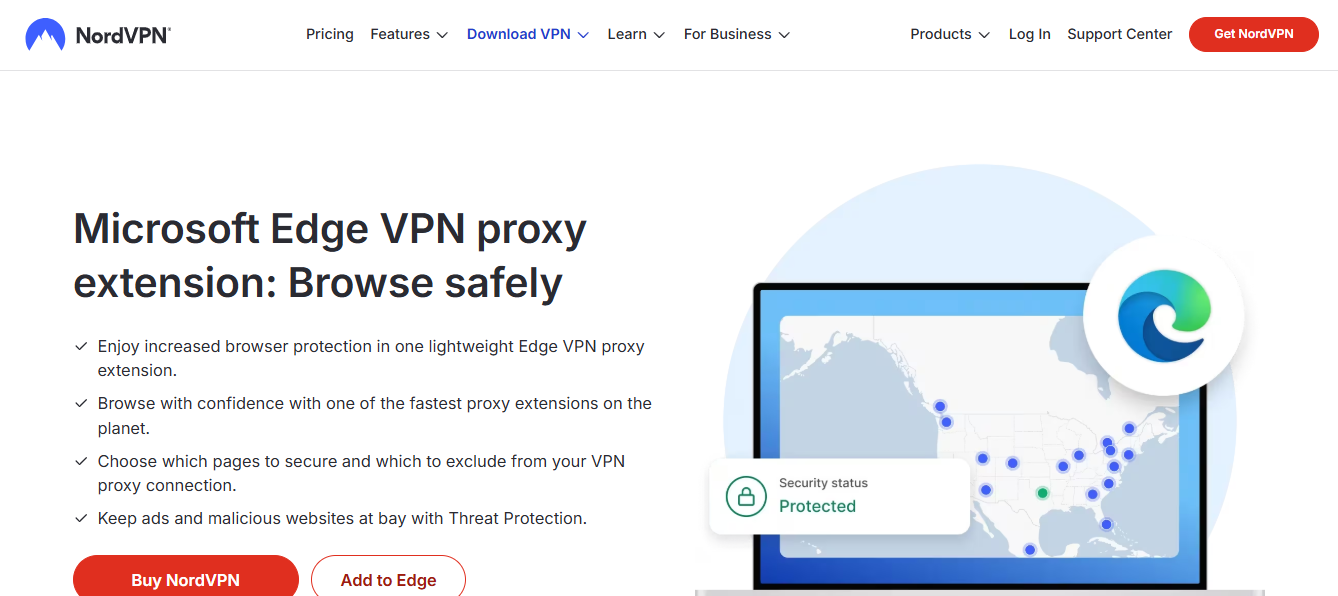
Vpn add on edge is a VPN extension for the Edge browser that routes traffic securely through a VPN. If you’re using Edge and want a quick, seamless way to protect your online activity, a VPN add-on is a practical solution. In this guide, you’ll get a clear view of what Edge VPN add-ons do, how to pick the right one, how to install it, and how to get the best performance without sacrificing privacy. You’ll also find practical tips, real-world examples, and a step-by-step setup so you can start protecting your online presence today.
- How a VPN add-on for Edge actually works
- How to install and configure the best Edge extensions
- The pros and cons of browser-based VPNs versus standalone apps
- Which providers offer Edge extensions with solid security
- Tips for streaming, torrenting, and staying private on public networks
- Common issues and quick fixes you can try
If you’re considering a trusted option, NordVPN’s Edge extension is a strong pick worth checking out. NordVPN Edge extension offers reliable performance, solid encryption, and a generous discount window. For a quick option, you can explore NordVPN Edge extension here, which often features limited-time deals. NordVPN Edge extension — 77% off + 3 months free
Useful URLs and Resources text only
- NordVPN official site: nordvpn.com
- Microsoft Edge add-ons store: microsoft.com/edge/addons
- Edge browser privacy tips: support.microsoft.com
- Virtual private network VPN overview: en.wikipedia.org/wiki/Virtual_private_network
- TechRadar VPN reviews: techradar.com/vpn
- PCMag VPN guide: pcmag.com/internet/vpn
- The Verge privacy and security section: theverge.com/privacy
- Mozilla KB on privacy and browser extensions: support.mozilla.org
- US-CISA guidelines for secure online browsing: cisa.gov
- NSS Labs / AV-TEST style privacy and security benchmarking general reference: nss-labs.com / av-test.org
Body
What is a VPN add-on for Edge?
A VPN add-on for Edge is a browser extension that pairs with your Edge browser to route your traffic through a VPN server. Rather than running an entire VPN app on your device, you install a lightweight extension that handles tunneling, encryption, and server selection within the browser context. This can be a fast, convenient option for everyday browsing, video streaming, and light work. The core idea is simple: when the extension is active, your Edge traffic is sent through a VPN tunnel, masking your IP address and encrypting data in transit.
How Edge VPN extensions work under the hood
- They leverage the browser’s extension framework to intercept web requests and redirect them through the VPN provider’s network.
- They typically rely on the provider’s servers to handle encryption on the edge, then pass traffic to the wider internet.
- Some extensions support split tunneling only route certain sites or apps through the VPN, while others apply blanket protection to all browser traffic.
- On some systems, the extension can integrate with a desktop app for extra features, like a system-wide kill switch, but core VPN routing happens within the browser.
Who benefits most from Edge extensions
- Casual browsers who want quick privacy and a simple setup
- People who primarily use Edge for web-based tasks and streaming
- Travelers or public Wi‑Fi users who want a layer of security on the go
What Edge extensions can’t do as well as full apps
- They don’t always cover non-browser traffic like your email client or torrent client unless you enable system-wide routing
- They can be slower if the VPN service isn’t optimized for browser-level tunneling
- Some features like advanced leak protection or full kill switches may be limited versus desktop apps
Edge VPN extensions vs standalone VPN apps
Think of Edge extensions as a convenient, browser-focused shield. Standalone VPN apps run at the OS level, protecting all traffic across every app and service. Here are the main differences:
- Scope: Edge extensions protect only Edge traffic and sometimes system-wide if the provider offers a companion app with a system-wide mode. Standalone apps protect all network traffic on the device.
- Performance: Browser extensions are typically lightweight, but they may be optimized for quick page loads and streaming within Edge. Full VPN apps can offer more robust performance tuning, multiple protocols, and advanced features.
- Features: Desktop VPN apps often include kill switches, DNS leak protection, split tunneling for all traffic, and comprehensive privacy controls. Edge extensions may provide essential privacy, fast setup, and profile switching but with some feature trade-offs.
- Compatibility: Edge extensions are ideal if you primarily browse in Edge. If you use multiple browsers or need system-wide protection for apps outside Edge, you’ll want a full VPN app.
Top VPN add-ons for Edge
While there are several options, a few edge extensions stand out for reliability, security, and ease of use:
- NordVPN Edge extension: solid encryption, proven privacy policies, reliable performance, and a well-known brand in the industry.
- ExpressVPN Edge extension: strong security features, fast servers, and good compatibility with Edge.
- Surfshark Edge extension: cost-effective with good performance, decent privacy protections, and user-friendly interface.
- Private Internet Access PIA Edge extension: straightforward, transparent privacy policies, good value.
- Mullvad Edge extension: privacy-centric approach, simple and straightforward.
Pro tip: when choosing an Edge extension, look for: strong encryption AES-256, a no-logs policy, DNS leak protection, kill switch at least as an option, and a broad server network. If you’re streaming, test a few servers to find ones that work with your streaming service of choice without buffering.
How to install an Edge VPN add-on step by step
- Open Edge and go to the Edge Add-ons store.
- Search for the VPN extension you want for example, NordVPN Edge extension.
- Click Add to Edge and confirm the permissions the extension asks for.
- Sign in with your VPN account or create one if you don’t already have one.
- Choose a server location and select the desired mode auto-connect, kill switch, and split tunneling if available.
- Turn the extension on and verify your IP address has changed by visiting a site like ipchicken.com or whatismyipaddress.com.
- If you have a desktop VPN app, connect the app first or enable the “system-wide” option if you want extra coverage beyond Edge.
- Test a few sites to ensure DNS isn’t leaking and that you’re seeing a different region when needed.
Troubleshooting quick-start tips: Vmware edge gateway ipsec vpn setup and best practices for site-to-site and remote access with VMware Edge Gateway 2026
- If a site doesn’t load, try switching to a different server location.
- If Edge slows down after enabling the VPN, check for a less congested server or use a protocol with better performance for your network UDP-based protocols often perform better.
- If DNS leaks occur, enable DNS leak protection in the extension’s settings or pair with the desktop app’s DNS options.
- Disable other extensions that might conflict with the VPN extension privacy-additive tools can sometimes interfere with tunneling.
Performance and speed considerations
VPN performance can vary widely based on server distance, time of day, and the provider’s network. Common patterns include:
- Typical speed impact: expect a 5–20% decrease in speed on nearby servers and higher latency on far-away servers.
- Streaming: many users report smooth HD streaming from nearby locations. some streaming services still block certain VPN IPs, so you may need to rotate servers.
- Gaming: browser VPNs can introduce noticeable latency. it’s best to test a few servers in your region or bypass the VPN for low-latency games if possible.
- Reliability: premium providers with optimized edge networks can maintain stable connections even during peak times. Affordable options may exhibit occasional buffering or reconnects.
Tips for getting the best performance:
- Choose a server geographically close to you for lower latency.
- Connect only the Edge extension that’s needed for the task, rather than routing all traffic through a VPN.
- Enable auto-connect only when joining new networks to avoid slowed performance on trusted networks.
- Use a wired connection or faster Wi‑Fi when possible to minimize noise and jitter.
Privacy, security, and policy considerations
- Encryption: most Edge extensions use AES-256 encryption with modern handshake protocols. This ensures data is unreadable to outside observers.
- Logging: read the provider’s privacy policy. The best ones adhere to a strict no-logs policy, meaning they don’t store your browsing history, IPs, or DNS queries.
- Kill switch: a good Edge extension or accompanying desktop app should offer a kill switch—disconnecting you from the internet if the VPN drops to prevent data leakage.
- DNS and WebRTC leaks: ensure the extension includes DNS leak protection and consider disabling WebRTC in Edge if you’re highly privacy-conscious.
- Jurisdiction: provider location matters for data retention laws. If privacy is a priority, prefer VPNs with privacy-protective policies in privacy-friendly jurisdictions.
- Multi-device protection: if you share a single account, verify how many Edge installations you can protect simultaneously and whether mobile Edge is included.
Features to look for in an Edge VPN add-on
- Strong encryption and a robust no-logs policy
- Broad server network and reliable speeds
- DNS leak protection and a kill switch
- Split tunneling for selective routing
- Auto-connect on trusted networks and startup protection
- Compatibility with Edge across devices Windows, macOS, Android, iOS
- Clear privacy controls and transparent data practices
- User-friendly interface and quick-server switch
- Regular updates and responsive support
Edge-specific tips and best practices
- Always test a server before relying on it for sensitive tasks. A quick check with a privacy-centric site can reveal IP changes and DNS status.
- If you primarily browse video content, prioritize servers with good streaming performance and low ping.
- Remember that browser-based VPNs don’t automatically cover all traffic on your device. If you need system-wide protection, pair the Edge extension with a full VPN app.
- For corporate or school networks, ensure your use complies with policies and avoids restricted networks or blocked services.
- Update the extension regularly to stay protected against new threats and to access feature improvements.
Common issues and quick fixes
- VPN won’t connect: try a different server, check your account status, or re-login.
- Websites show your real IP: verify DNS protection is enabled, or use the desktop app for a stronger kill switch.
- Slow performance: switch to a closer server, disable bandwidth-heavy extensions, or attempt a different protocol if available.
- Extensions crash: disable other extensions, restart Edge, and re-enable the VPN extension.
- High latency on streaming: rotate servers to a known streaming-friendly location, and consider a dedicated streaming server if offered.
The future of VPNs on Edge and browser-based privacy
Browser-based privacy tools are fast. Expect better performance, more robust security features, and deeper integration with browsers like Edge. Providers are likely to roll out more user-friendly interfaces, improved leak protection, and smarter auto-connect features. As web services tighten geo-restrictions and privacy demands grow, Edge add-ons will remain a convenient option for everyday privacy, with more providers offering streamlined experiences that don’t force you to install a full VPN app.
Real-world considerations: testing and comparisons
- If you’re new to VPN add-ons, start with a reputable provider that offers a free trial or a money-back guarantee. This lets you test streaming compatibility, speed, and ease of use without a long-term commitment.
- Compare multiple Edge extensions by testing the same site across two or three servers. Note the loading times, buffering, and any IP leaks.
- Consider future-proofing: some people start with a browser extension and later upgrade to a full VPN app if they need device-wide protection.
Frequently Asked Questions
What is a VPN add-on edge?
Vpn add on edge is a VPN extension for the Edge browser that routes traffic through a VPN server, encrypting data and masking your IP while you browse. It’s a browser-centered solution designed for quick setup and lightweight protection.
How do I install a VPN add-on in Edge?
Open Edge, go to the Edge Add-ons store, search for a VPN extension, click Add to Edge, grant permissions, sign in, select a server, and enable it. Then test by visiting a site that shows your IP. Vpn add on microsoft edge: how to use VPN extensions in Edge, setup, performance, and best providers 2026
Can Edge VPN extensions protect my entire device?
Most Edge extensions protect only Edge traffic. For device-wide protection, you’ll want a full VPN app or a combination of Edge extension with a system-wide VPN option provided by the service.
Is it safe to use a VPN add-on in Edge?
Yes, if you choose a reputable provider with strong encryption, a clear no-logs policy, DNS leak protection, and a kill switch. Do your due diligence and read the privacy policy.
Do Edge extensions affect streaming quality?
They can help you access geo-blocked content, but performance varies by server and network. For best results, test a few servers and pick the one with the most reliable streaming speed.
Do VPN extensions hide my real IP?
Yes, they mask your IP address by routing traffic through a VPN server, which makes it appear as if you’re in the server’s location.
Will a VPN extension slow down my browsing?
Some slowdown is common due to encryption and routing through the VPN. Pro users often see only a modest impact when connected to a nearby server. Vmware edge gateway 2026
Can I use more than one Edge VPN extension at the same time?
In practice, you should only enable one VPN extension at a time per browser to avoid conflicts. If you need different locations for different tasks, switch between extensions or use separate browsers.
Do VPNs log my activity when used in Edge?
It depends on the provider. Reputable services publish a no-logs policy, meaning they don’t retain your browsing activity, IP addresses, or DNS queries. Always read the policy to be sure.
Can I use a VPN add-on in Edge on mobile?
Yes, many VPN providers offer Edge-compatible extensions on mobile versions of Edge. Setup is similar, but you’ll have to download the extension from the mobile store.
Will Edge extensions protect me on public Wi‑Fi?
A VPN extension helps secure your traffic on public networks by encrypting data and masking your IP, which reduces risk on insecure networks. For maximal protection, pair with strong device security practices.
How do I troubleshoot a failing Edge VPN extension?
First, ensure you’re on the latest Edge and extension version. Then try a different server, re-login, disable conflicting extensions, or reinstall the extension. If issues persist, check the provider’s support resources or contact customer service. Us vpn edge: the complete guide to US vpn edge performance, security, and choosing the right service for 2026
Are there privacy risks with Edge VPN extensions?
Any extension carries some risk if the provider misuses data or if the extension has vulnerabilities. Stick to well-known, well-reviewed providers, review their privacy policy, and keep all software up to date.
What’s the difference between a “VPN add-on” and a “proxy” for Edge?
A VPN extension provides encryption and data protection, while a proxy typically only changes your visible IP without encryption. Proxies may be faster but offer less privacy and security.
Can I use a VPN add-on for Edge to bypass geo-restrictions on streaming services?
Yes, many users leverage Edge VPN extensions to access geo-restricted content. However, streaming services frequently update their VPN-blocking measures, so you may need to rotate servers or switch providers if a service detects VPN traffic.
Do VPN add-ons impact device battery life on laptops or mobiles?
Sustained VPN usage can affect battery life, especially on mobile devices with constant encryption and data transfer. It’s usually manageable with sensible usage and by choosing servers wisely.
Is it worth using a VPN add-on in Edge for a developer or business user?
For quick privacy, secure browsing in Edge, and access to region-specific tools, a VPN add-on can be a solid option. For enterprise-grade needs or high-stakes privacy, consider a full VPN plan with centralized management and additional controls. Veepn extension for edge download comprehensive guide to install, configure, speed test, streaming, and privacy on Edge 2026
------- END OF CONTENT -------
蚂蚁vpn apk下载全指南:下载渠道、安装步骤、隐私保护、速度与稳定性评估、合规性与替代方案