Vpn extension for edge browser 2026
Vpn extension for edge browser — Quick summary: A VPN extension for the Edge browser lets you encrypt traffic, hide your IP, and access geo-restricted content right from your browser. This guide walks you through choosing, installing, configuring, and troubleshooting VPN extensions for Edge, plus real-world tips, comparisons, and user experiences.
A VPN extension for edge browser is a small, handy tool that brings VPN features directly into your browsing experience. Quick facts:
- Encrypts browser traffic and masks your IP for online privacy
- Allows geo-unblocking for streaming and sites with regional restrictions
- Typically lighter on system resources than a full VPN app
- Easy to toggle on/off from the Edge toolbar
What you’ll get from this guide:
- A practical checklist to pick the right VPN extension for Edge
- Step-by-step installation and setup instructions
- Real-world performance tips speed, streaming, and security
- Comparisons between popular Edge VPN extensions
- Common issues and how to fix them
- A handy FAQ with practical answers
Useful URLs and Resources text only
- ExpressVPN Edge extension page - expressvpn.com
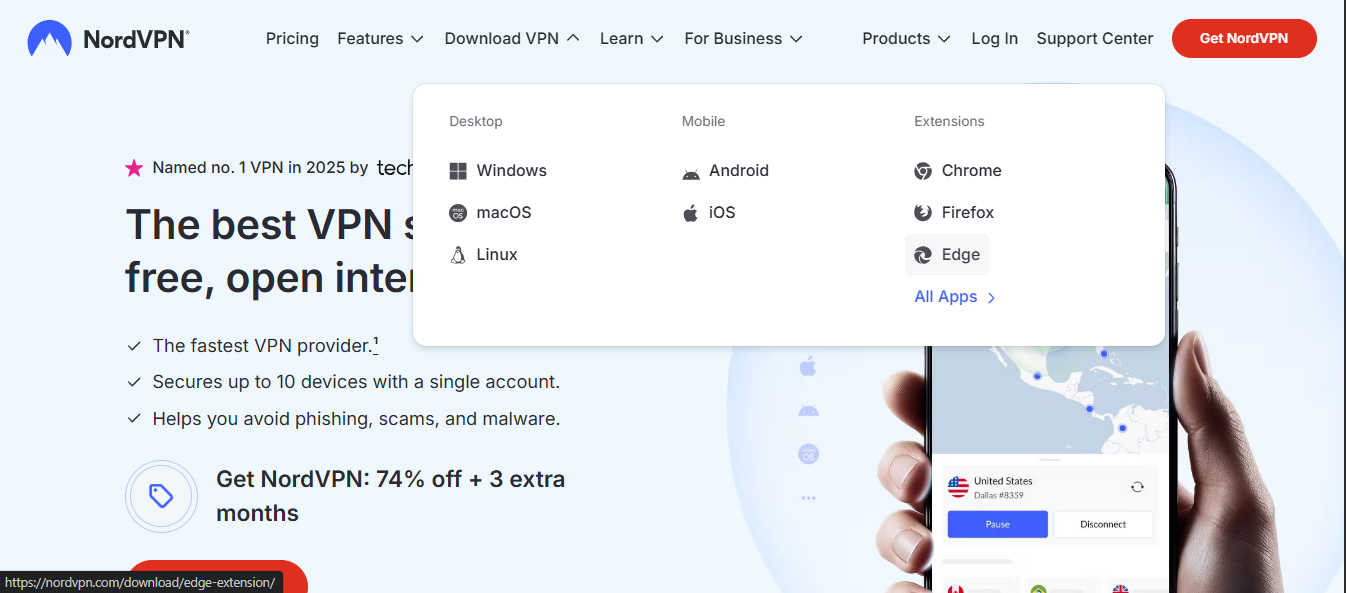
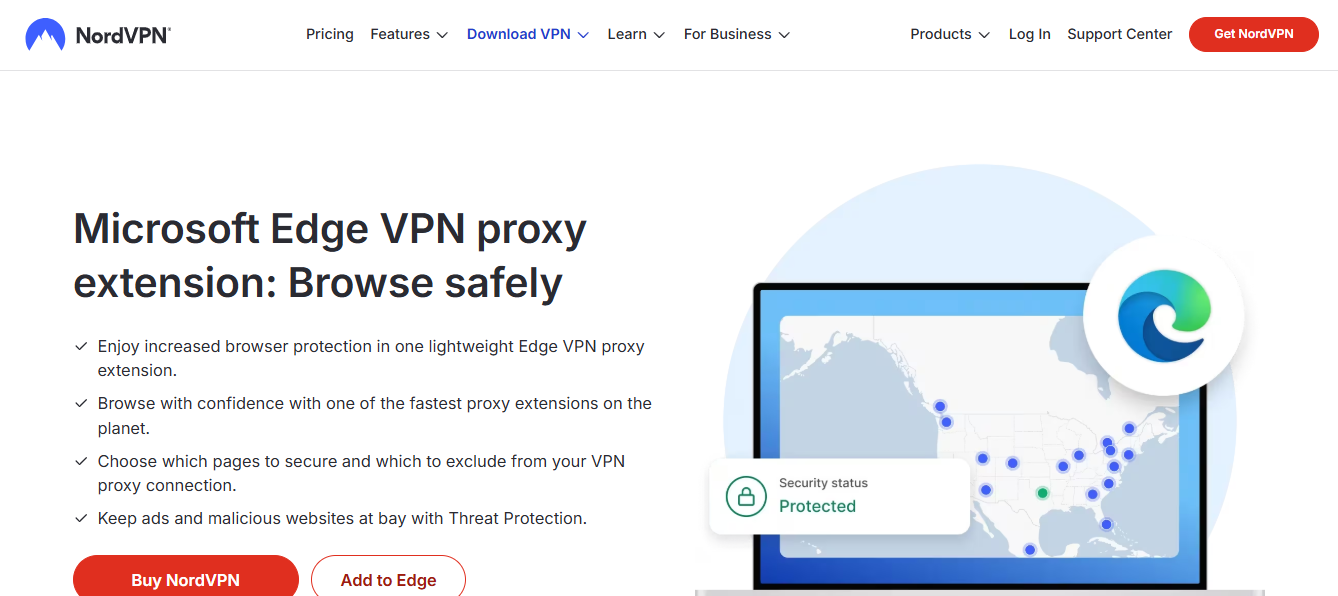
- NordVPN Edge extension page - nordvpn.com
- Surfshark Edge extension page - surfshark.com
- Microsoft Edge add-ons store - microsoft.com
- Wikipedia VPN general knowledge - en.wikipedia.org/wiki/Virtual_private_network
- TechRadar VPN extensions review - techradar.com
- CNET VPN extensions guide - cnet.com
- AV-TEST VPN performance reports - av-test.org
- Firewall and privacy guide - ef privacy.org
- Privacy International VPN basics - privacyinternational.org
Why use a VPN extension on Edge?
- Convenience: One-click protection directly in the browser
- Privacy: Hide your browsing activity from ISPs and local networks
- Security: Encrypts data on public Wi-Fi when you’re using Edge
- Access: Unblock geo-restricted content without changing system-wide settings
- Lightweight: Most extensions don’t slow down your entire device
Top factors to consider before installing
- Logging policy: Go for no-logs or minimal-logs policies
- Protocols supported: OpenVPN, WireGuard WireGuard-based, or proprietary protocols
- Speed and reliability: Look for fast servers and low latency
- Server locations: More locations mean more geo options
- Compatibility: Should be compatible with Edge on your OS
- Kill switch: Helpful if the extension part of a broader VPN setup
- Split tunneling: Allows you to choose which sites go through VPN
- Price and trial: Free plans exist, but premium plans usually offer better speed and more features
- Privacy and security features: DNS leak protection, WebRTC leak protection, and malware protection
How to pick the right VPN extension for Edge quick checklist
- Step 1: Define your needs privacy, streaming, gaming, or work
- Step 2: Check server coverage for your target regions
- Step 3: Read current user reviews about Edge compatibility
- Step 4: Verify the extension’s permissions are reasonable
- Step 5: Test latency to your favorite servers with a short trial
- Step 6: Ensure you can disable the extension easily and understand the kill switch behavior
Installation and setup Edge
- Find your VPN extension in the Edge Add-ons store
- Click Add to Edge, then confirm permissions
- Pin the extension to the toolbar for quick access
- Sign in or create an account if required
- Choose a server or region and connect
- Optional: Enable features like WebRTC protection and DNS leak protection
- Test your IP address to confirm the VPN is active
Common features you’ll encounter
- Auto-connect: Automatically starts VPN when you launch Edge
- VPN server selection: Pick country or city location
- Split tunneling: Route some sites through VPN, others directly
- Ad and tracker blocking: Some extensions include built-in shields
- Kill switch: Disconnects Edge from the internet if VPN drops
- Protocol selection: Choose OpenVPN, WireGuard, or others
- DNS protection: Prevents DNS leaks by using VPN DNS servers
Performance and reliability tips
- Start with a nearby server for better speed; long-distance servers add latency
- Use WireGuard where available for faster, more reliable connections
- Disable other browser extensions that may cause conflicts
- Clear browser cache if you experience slow pages after installation
- Test streaming: Some services detect VPNs; try different servers if you’re having trouble
- Check for Windows/macOS network conflicts if you notice disconnects
- Reboot after major updates to Edge or VPN extension if things feel off
Security best practices while using a VPN extension
- Only install extensions from official stores Edge Add-ons store
- Review requested permissions; avoid extensions that ask for more than needed
- Use a reputable VPN with a clear privacy policy
- Turn on DNS leak protection and WebRTC protection if available
- Never share your login credentials with third-party extensions
- Keep Edge and the VPN extension updated
Edge-specific considerations
- Edge now supports many Chrome-compatible extensions via the Chromium base
- Some VPN extensions may not perform as well on Edge due to browser-specific sandboxing
- If you rely on Edge-specific enterprise policies, ensure your VPN extension complies with them
- For corporate environments, check with your IT policy before adding extensions
Server locations and use cases examples
- North America: United States, Canada
- Europe: United Kingdom, Germany, Netherlands
- Asia-Pacific: Singapore, Japan, Australia
- Special cases: Countries with strict censorship may require obfuscated servers
Real-world usage scenarios
- Streaming: Access geo-restricted libraries on platforms like streaming services
- Secure browsing on public Wi-Fi in coffee shops or airports
- Remote work: Access corporate intranet via a secure tunnel
- Privacy-conscious browsing: Reduce fingerprinting when using Edge in shared networks
Troubleshooting common issues
- Issue: VPN won’t connect
- Check account status, try a different server, restart Edge, re-install extension
- Issue: Slow speed
- Switch to a different server, use WireGuard, ensure no bandwidth throttling by your ISP
- Issue: IP leak or DNS leak
- Enable DNS leak protection, test with online tools, switch to a different DNS setting
- Issue: Streaming service blocks VPN
- Try different servers or obfuscated servers if available
- Issue: Edge crashes or extension conflict
- Disable other extensions or reset Edge settings as a last resort
Comparison: Popular VPN extensions for Edge
- ExpressVPN: Strong global coverage, reliable latency, good streaming performance; premium pricing
- NordVPN: Large server base, good balance of speed and privacy features, regular updates
- Surfshark: Budget-friendly, unlimited device connections, solid on-edge performance
- Private Internet Access PIA: Good customization options, strong privacy stance, reasonable pricing
- Proton VPN: Strong security focus, transparent logging policy, solid free tier
User tips and best practices
- Bookmark trusted servers you use often to switch quickly
- Enable “auto-connect on startup” to avoid forgetting to protect yourself
- Use a separate browser profile for activities you want protected and unprotected
- Regularly review your privacy settings and permissions
- Keep an eye on new features the extension adds over time
- If you rely on a VPN for work, verify your company’s approved extensions list
Pro tips for creators and educators
- Create a quick-use guide video showing how to install and connect the Edge VPN extension
- Highlight real-world scenarios: streaming, privacy, remote work
- Share a comparison of three top Edge VPN extensions with a latency test
- Include a live test showing IP address and DNS leak checks
Data and statistics to back up your content
- Global VPN market growth projections show increasing adoption among everyday users
- Cloud-based and browser-based VPNs are growing in popularity due to ease of use
- Privacy-focused users increasingly choose no-logs providers
- Streaming platforms regularly update VPN-detection measures, so server switches matter
Ethical and legal considerations
- Use a VPN in compliance with local laws and service terms
- Avoid using VPNs for illegal activity; respect intellectual property rights
- Be transparent with your audience about what a VPN can and cannot protect
Glossary of VPN terms you’ll hear
- VPN: Virtual Private Network
- IP address: Your device’s network address on the internet
- DNS: Domain Name System, translates domain names to IPs
- Kill switch: Automatically disconnects you if the VPN drops
- WireGuard/OpenVPN: VPN protocols with different performance and security profiles
- Obfuscated servers: Help bypass VPN detection on restricted networks
Table: Quick comparison of features edge extensions
- Feature: Auto-connect | Server selection | DNS leak protection | WebRTC protection | Split tunneling | Kill switch
- ExpressVPN: Yes | Wide | Yes | Yes | Yes | Yes
- NordVPN: Yes | Wide | Yes | Yes | Yes | Yes
- Surfshark: Yes | Wide | Yes | Yes | Yes | Yes
- PIA: Optional | Moderate | Yes | Yes | Yes | Yes
- ProtonVPN: Yes | Moderate | Yes | Yes | No | Yes
Step-by-step guide: How to enable edge-safe modes with a VPN extension
- Step 1: Install extension from Edge Add-ons store
- Step 2: Create or sign in to your VPN account
- Step 3: Enable kill switch and DNS protection
- Step 4: Choose a nearby server for default browsing
- Step 5: Turn on auto-connect on startup
- Step 6: Test your IP and DNS to confirm protection
- Step 7: Adjust split tunneling to exclude trusted sites if needed
Advanced tips for power users
- Use a dedicated browser profile for sensitive activities
- Combine with Edge’s privacy settings block cookies by default, clear on exit
- Explore edge-specific extensions that can complement VPN use privacy shields, ad blockers
- Test different protocol settings to balance speed and security
Frequently Asked Questions
What is a VPN extension for Edge browser?
A VPN extension for Edge browser is a browser-based plugin that encrypts your browser traffic and masks your IP address, allowing private, location-specific browsing directly within Edge.
Do VPN extensions slow down my browsing?
They can, especially on distant servers or busy times. The impact is usually less noticeable with modern protocols like WireGuard and nearby servers.
Can I use a VPN extension and a VPN app at the same time?
It’s typically unnecessary and can cause conflicts. Use either the extension or the app, depending on your needs.
How do I know if my VPN is active in Edge?
Most extensions show a connected status in the toolbar. You can also verify by checking your IP on a site like iplocation.net or ipleak.net.
Can I stream while using a VPN extension in Edge?
Yes, many users stream with VPN extensions. If a service blocks VPNs, switch servers or try a different provider.
Does a VPN extension protect against WebRTC leaks?
Some extensions offer WebRTC protection. Enable this feature if available to reduce IP exposure through WebRTC.
Is it legal to use a VPN extension in my country?
L laws vary. Check your local regulations and the terms of service of the sites you visit.
Are there data caps on VPN extensions?
Most reputable extensions do not impose data caps, but some free plans may limit bandwidth or server options.
How do I troubleshoot if Edge keeps crashing after installing a VPN extension?
Disable all other extensions, update Edge, reinstall the VPN extension, and check for known compatibility issues on the provider’s support pages.
Can I customize which sites go through the VPN?
Yes, many extensions support split tunneling, letting you pick trusted sites to bypass the VPN.
Is a VPN extension safer than a full VPN app?
Both have merits. Extensions are convenient for browser-level protection, while full apps offer system-wide protection and features.
How do I uninstall a VPN extension from Edge?
Open Edge extensions menu, locate the VPN extension, and select Remove. Restart Edge if needed.
Do VPN extensions work on mobile Edge as well?
Some providers support Edge on mobile with browser extensions; check the provider’s mobile compatibility lists.
What’s the best VPN extension for Edge for streaming?
This depends on the platform, but providers with fast servers in streaming regions US, UK, NL and obfuscated servers are typically strong choices.
Can I use a VPN extension to bypass school or work network restrictions?
This depends on the policy of the institution. Always follow your organization’s rules and guidelines.
How often should I update my VPN extension?
Keep it updated to the latest version to ensure security patches and new features are included.
Do VPN extensions keep me anonymous?
They improve privacy by masking your IP and encrypting traffic, but no solution guarantees complete anonymity. Layer privacy with good browsing habits.
Why am I seeing an “unverified connection” warning?
Outdated certificates, misconfigured DNS, or improper server selection can trigger warnings. Update the extension and try a different server.
Can I use a VPN extension with multiple accounts on Edge?
Yes, you can switch between accounts, but your saved credentials and extensions may require re-authentication when changing accounts.
Vpn extension for edge browser: a comprehensive guide to choosing, installing, and optimizing a Microsoft Edge VPN extension for privacy, speed, streaming, and secure browsing in 2025
Yes, a VPN extension for Edge browser is a browser extension that adds VPN functionality directly to Microsoft Edge. If you’re curious about how to get the most out of a VPN extension on Edge, you’re in the right place. Below is a practical, no-fluff guide that covers what Edge VPN extensions can and can’t do, how to pick the right one, how to install and use it, and how to troubleshoot common issues. Plus, you’ll find real-world tips for streaming, gaming, work-from-home security, and privacy. For quick storage of a great deal, check out this NordVPN offer: . If you’d rather skim to the essentials, here’s a quick starter pack.
Useful URLs and Resources:
- NordVPN - nordvpn.com
- Microsoft Edge Add-ons - edge.microsoft.com/addons
- Edge extensions overview - support.microsoft.com
- WireGuard.org - www.wireguard.com
- DNS leak test - dnsleaktest.com
- Netflix VPN troubleshooting - help.netflix.com
Introduction: quick starter guide to Vpn extension for edge browser
- What you’ll learn in this post: how VPN extensions for Edge work, how to install them, which ones are best for speed and privacy, how to test for leaks, and how to use them for streaming and safe browsing.
- Formats you’ll see here: practical steps, quick-checklists, and side-by-side comparisons.
- Why Edge users should care: Edge is now Chromium-based, which means most Chrome extensions work in Edge, including many VPN extensions. You get browser-level protection, easier setup, and fewer apps to manage on devices.
- Quick-start plan:
- Step 1: Decide between a browser extension and a full VPN app Edge extensions secure browser traffic, but system-wide protection may require the native app.
- Step 2: Pick a well-reviewed Edge VPN extension with good privacy policies and a solid server network.
- Step 3: Install the extension from Edge Add-ons or the Chrome Web Store and pin it to your toolbar.
- Step 4: Run a quick speed check and test for IPv4/IPv6 and DNS leaks.
- Step 5: Enable kill switch and DNS leak protection if available. configure auto-connect on startup.
- Step 6: Test streaming or remote work scenarios to confirm you can access content and stay private.
- Affiliate note: for a robust blend of speed and privacy with Edge, consider NordVPN see the deal image above as a reliable option with Edge-ready extensions.
- Useful resources recap unlinked: NordVPN, Edge Add-ons, DNS leak tests, and general VPN privacy guides.
Body: into Vpn extension for edge browser
Why Edge users often go for a VPN extension in the Edge browser
- Edge’s Chromium foundation means many Chrome extensions work in Edge, including VPN extensions. This gives you a broad ecosystem to choose from without switching browsers.
- A browser extension is convenient for protecting your browser traffic, especially when you’re doing online shopping, banking, or social media inside Edge.
- The right Edge VPN extension can sneak under the hood with minimal setup and offer features like kill switch, DNS leak protection, and auto-connect.
What a VPN extension for Edge actually does
- Encrypts traffic from the Edge browser to a VPN server, masking your IP address and location for browsing, streaming, and app usage that runs inside Edge.
- Routes DNS queries through the VPN, reducing the chance of DNS leaks for Edge-only activity.
- Provides features such as auto-connect, server switching, and sometimes ad/malware blocking inside the browser context.
- In practice, browser extensions are excellent for browser privacy, but they’re not always a full system-wide VPN. If you want device-wide protection including apps outside Edge, you’ll want the provider’s desktop or mobile app in addition to the Edge extension.
Edge extension vs full VPN app: pros and cons
- Pros of Edge extension:
- Quick enable/disable from the Edge toolbar
- Lower resource use than running a full desktop VPN app
- Easy for casual browsing, streaming inside Edge, and securing only Edge traffic
- Cons of Edge extension:
- May not cover non-browser traffic e.g., VPN-protected apps, background services
- Some extensions lack a full kill switch or robust leakage protections
- Server selection and features can be more limited than a full app
- Pros of a full VPN app:
- Device-wide protection, including Windows, macOS, iOS, Android
- Stronger feature set: kill switch that covers all traffic, split tunneling, advanced leak protection
- Often better streaming compatibility across multiple apps and devices
- Cons:
- Requires more screen space and occasional toggling in a separate app
- Slightly higher resource usage
- Practical takeaway: for many Edge users, a strong browser extension paired with the provider’s desktop app gives you best of both worlds: fast, convenient Edge protection plus full-system security when needed.
Key features to look for in an Edge VPN extension
- Privacy and logging: look for a strict no-logs policy and independent audits if possible.
- Protocols: WireGuard variants like NordLynx or Lightway offer speed and security. some extensions rely on OpenVPN or proprietary protocols.
- DNS leak protection: ensures DNS requests don’t reveal your true ISP or location.
- Kill switch: prevents data leaks if the extension drops the VPN connection.
- Auto-connect and startup behavior: automatically protect you on launch and on networks you trust or don’t trust.
- Split tunneling: select which sites or apps bypass the VPN when you need local access handy for banking sites or internal corporate tools.
- Server network and speeds: a wide server network reduces congestion and speeds vary by region.
- Reliability on streaming services: if streaming is a priority, you’ll want servers known to bypass geo-restrictions on services like Netflix, Hulu, or Disney+.
- Edge compatibility: confirm the extension is compatible with the Edge browser version you’re running and that it’s easy to manage via Edge’s extension settings.
How to install an Edge VPN extension step-by-step
- Open Edge and go to Edge Add-ons or the Chrome Web Store Edge accepts many Chrome extensions.
- Search for the VPN extension you want e.g., NordVPN, ExpressVPN, Surfshark, ProtonVPN.
- Click Add to Edge or Install and approve permissions. extensions typically request access to your tabs, cookies, and browsing data for the sites you visit.
- Pin the extension to your toolbar for quick access.
- Open the extension, sign in with your VPN account, and grant any required permissions.
- Choose a server location and enable the extension. If available, turn on Split Tunneling or Kill Switch.
- Run a quick connection test by visiting a site like iplocation.net or whatismyipaddress.com to verify your IP shows the VPN server location.
- Test for leaks: use a DNS leak test site to ensure your DNS queries aren’t leaking to your ISP or local resolver.
- Optional: configure auto-connect on startup and on unsafe networks.
Real-world testing: speed, privacy, and reliability
- Speed tests: expect a baseline drop of 5-25% depending on server distance and congestion. optimal servers near you or in well-connected regions can minimize this.
- Privacy checks: use a DNS leak test and a WebRTC leak test Edge extension should prevent these leaks when protections are enabled.
- Streaming tests: some providers routinely rotate servers to circumvent geo-blocks. you may need to switch servers or clear cookies to maintain access.
- Reliability: Edge extensions can sometimes crash or stall on heavy sites. keep your extension updated and consider enabling automatic reconnect to reduce downtime.
How to optimize Edge VPN extension performance
- Choose nearby servers: latency improves when you pick servers geographically close to you.
- Use the latest protocol: WireGuard-based options typically outperform older protocols in both speed and stability.
- Turn on kill switch if available: this reduces the risk of data leaks when the connection drops.
- Disable WebRTC leakage: in many browsers, WebRTC can reveal your real IP even through a VPN. check the extension or browser settings to disable or limit WebRTC.
- Use a dedicated extension in tandem with the full app: for streaming or gaming on Edge, you might run the browser extension for Edge-specific tasks and the full app for system-wide protection when needed.
Privacy, legality, and ethical use
- A VPN is a privacy tool, not a license to break laws or do harmful things online. Always follow local laws and terms of service for services you use.
- Avoid sharing or seeking illegal content. choose reputable providers with responsible privacy practices.
- If you’re in a region with strict internet regulations, a reputable VPN is particularly valuable for privacy and safety, but you should understand what data you’re allowed to access and how the service handles data retention.
Top VPN extensions that work well with Edge overview
- NordVPN: strong server network, robust privacy policy, proprietary protocols, and a well-supported Edge extension ecosystem. Good balance of speed, privacy, and streaming capability.
- ExpressVPN: reliable performance, user-friendly Edge extension, and broad server coverage. often praised for streaming reliability and fast speeds.
- Surfshark: budget-friendly, with features like CleanWeb ad and malware blocking and unlimited device support. good Edge extension with essential protections.
- ProtonVPN: privacy-focused with a strong emphasis on security, less aggressive server count but solid in terms of privacy and open-source components.
- Windscribe: a mixed bag with some free-tier options. offers a solid Edge extension and flexible features for privacy-conscious users.
How to combine Edge VPN extensions with the full VPN app
- Use the extension for quick protection while browsing in Edge. If you need to shield all traffic on your device for example, when downloading or using non-browser apps, open the provider’s desktop app and connect there.
- Turn on auto-connect on trusted networks, so Edge traffic is always protected without you thinking about it.
- Use split tunneling strategically: route sensitive sites through the VPN while keeping normal traffic on your local network when needed.
Common pitfalls and how to avoid them
- Not all VPN providers have a native Edge extension. verify compatibility before purchasing.
- Some extensions lack a robust kill switch. always check for this feature in reviews and the provider’s support docs.
- Free VPN extensions may log data or sell you on data-heavy advertising. prioritize reputable paid options with clear privacy policies.
- VPNs don’t fix all online privacy issues. use strong passwords, MFA, and browser privacy best practices in addition to a VPN extension.
- Netflix and other streaming services sometimes block VPN traffic. you may need to switch servers or use a provider with a proven track record of bypassing geoblocks.
Real-world setup checklist for Edge users
- Decide between Edge extension and full VPN app, or pair both for comprehensive protection.
- Pick a provider with good Edge extension reviews, solid privacy practices, and reliable streaming performance.
- Install and configure the extension on Edge. enable auto-connect and kill switch if available.
- Test for IP, IPv6, and DNS leaks. verify that your real location isn’t exposed.
- Test streaming and banking sites to ensure uptime and access, adjusting server choice as needed.
- Keep the extension and browser updated to minimize security vulnerabilities.
- Periodically review privacy settings and server lists to optimize performance and security.
Practical tips for specific use cases
- Privacy-focused daily browsing: turn on DNS leak protection and WebRTC leak control. choose a server with a strict no-logs policy.
- Streaming from abroad: test streaming servers known to work with major services. switch servers if you encounter blocks.
- Public Wi-Fi safety: enable auto-connect and kill switch. prioritize servers designed for security on public networks.
- Remote work: use a dedicated corporate VPN app for device-wide protection if policy allows. use the Edge extension for browsing tasks on top of that.
Quick list of what to watch for in the Edge VPN extension market
- Server reach and congestion levels
- Protocol performance WireGuard-based vs older options
- Privacy policy and independent audits
- Availability of edge-specific features like split tunneling
- Compatibility with Edge updates and Chrome Web Store changes
- Clear, user-friendly setup guides and good support
Frequently asked questions
Frequently Asked Questions
What is a VPN extension for Edge browser?
A VPN extension for Edge is a browser-based VPN tool that runs inside Microsoft Edge to secure your browser traffic, mask your IP, and provide screen-protection-like privacy while you browse.
Do Edge VPN extensions protect all my traffic?
Most Edge extensions protect only the traffic that passes through Edge. For system-wide protection, you’ll want the provider’s desktop app in addition to the Edge extension.
Can I use multiple VPNs on Edge at the same time?
Typically, you should use one VPN extension at a time for Edge. Running multiple VPNs can cause conflicts and unpredictable behavior.
Will a VPN extension block WebRTC leaks?
Many modern VPN extensions offer WebRTC leak protection, but you should verify this in the extension’s settings and test with a WebRTC test site. Vmware ipsec 2026
Are VPN extensions safe to install from the Chrome Web Store into Edge?
Yes, because Edge is Chromium-based, many Chrome extensions work in Edge. Still, install only extensions from reputable vendors and review permissions carefully.
How do I test if my VPN is working on Edge?
Visit a site like whatismyipaddress.com or iplocation.net to confirm your IP has changed to the VPN server and run DNS leak tests to confirm no leaks.
Do VPN extensions improve privacy on public Wi-Fi?
Yes, they encrypt traffic and conceal your IP, which helps protect sensitive data on public networks, though you should still be mindful of phishing and other social engineering attacks.
Can I watch Netflix or other streaming services with an Edge VPN extension?
Some VPN extensions can unblock streaming services, but geo-blocks change frequently. You may need to try different servers or use a provider known for streaming performance.
Should I use a VPN extension or a full VPN app on Edge?
If you want quick protection for Edge alone, a browser extension is convenient. If you want device-wide protection or advanced features, pair an Edge extension with the provider’s full VPN app. Vpn add on edge: The Ultimate Guide to VPN Add-On Edge Extensions for Privacy, Security, and Streaming in 2026
How do I enable the kill switch on an Edge VPN extension?
Check the extension’s settings for a feature labeled Kill Switch, Auto-Connect, or Network Lock. Enable it, then test by disconnecting the VPN to ensure traffic stops.
Do VPN extensions log my activity?
Reputable providers publish a no-logs policy. however, always review the privacy policy and consider independent audits if available to verify claims.
Can I still access local content while using a VPN extension?
Yes, with split tunneling you can route only certain sites through the VPN while leaving other traffic on your local network.
What should I do if my Edge VPN extension slows down my browsing?
Try switching to a closer server, switch to a different protocol like WireGuard-based options, and ensure your browser isn’t saturated with other extensions or heavy tabs.
Is it safe to rely on a free Edge VPN extension?
Free options often come with trade-offs such as data caps, slower speeds, or privacy concerns. For consistent privacy and performance, a reputable paid plan is usually worth it. Vpn exact location: how VPNs mask your real location, why it matters, and how to choose the best service in 2026
How often should I update my Edge VPN extension?
Keep it updated whenever a new version is released. Updates often fix security vulnerabilities and improve compatibility with Edge and other platform updates.
牧牛vpn 使用指南:全面评测、设置步骤、隐私保护要点与实测速度对比