How to enable vpn in edge browser 2026
How to enable vpn in edge browser: turn on a built-in VPN-like feature in Microsoft Edge is not as simple as flipping a switch, but you’ve got solid options. Quick fact: Edge itself doesn’t include a traditional, standalone VPN, but you can route traffic through a VPN or use Edge’s built-in features to boost privacy. This guide covers everything from using Edge’s security settings to choosing and configuring a VPN extension, plus practical tips and real-world scenarios. Here’s what you’ll find:
- A straightforward, step-by-step way to set up VPN-like protection using Edge
- How to install and manage VPN extensions that work inside Edge
- How to configure Edge settings to maximize privacy and security
- A comparison of built-in Edge features vs. third-party VPNs
- Common issues and quick fixes
- Practical use cases for students, remote workers, and travelers
Useful resources text only, not clickable: How to enable vpn in edge browser - edge.microsoft.com, Windows Security settings - support.microsoft.com, VPN extension overview - chrome web store, Private browsing tips - support.google.com, VPN privacy statistics 2024 - statista.com, Data leakage basics - www.brookings.edu
Understanding the Gap: Edge VPN vs. Traditional VPN
- Edge doesn’t ship with a dedicated VPN client. If you want to mask your IP and encrypt traffic, you’ll either use a VPN service external app or a browser extension.
- A VPN extension in Edge effectively routes some of Edge’s traffic through the VPN, but not all system traffic unless you install a full VPN app.
- For most users, a reputable VPN service with a desktop app and a browser extension provides the best balance of privacy and ease of use.
Quick comparison
- Built-in Edge tools: Privacy and tracking protection, SmartScreen, password health; no true VPN tunnel by default.
- VPN extension: Encrypts browser traffic; adds a VPN tunnel for browsing sessions inside Edge.
- Standalone VPN app: Encrypts all device traffic; most secure for multi-app privacy.
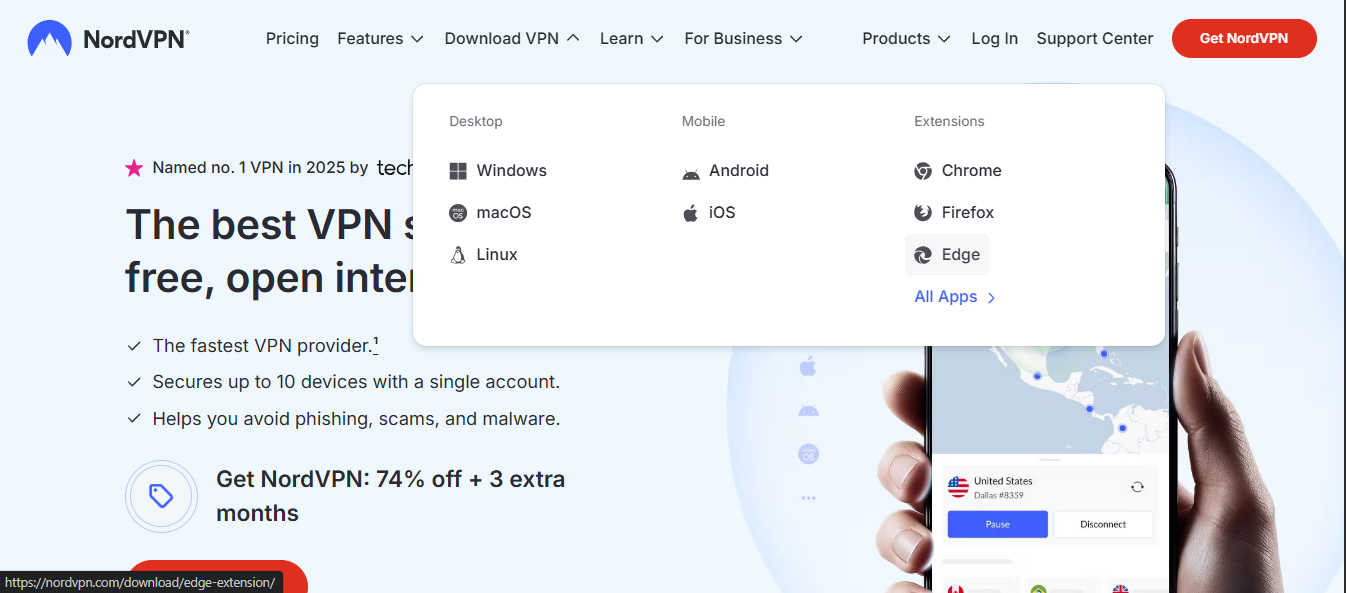
Option 1: Use a Full VPN Service Recommended for Most Users
If you want true system-wide protection and reliable anonymity, use a trusted VPN provider with a desktop app and a browser extension.
- Steps to set up:
- Choose a reputable VPN service look for no-logs policies, AES-256 encryption, and transparent privacy practices.
- Download and install the Windows/macOS app on your device.
- Open the VPN app and sign in.
- Select a server location and connect.
- Open Edge and your browsing will be routed through the VPN tunnel automatically.
- Pros: Whole-device protection, faster updates, kill switch, DNS leak protection.
- Cons: Costs monthly/yearly, may slightly affect speeds depending on server load.
Tips for choosing a VPN
- Look for independent audits and a clear no-logs policy.
- Prefer servers close to your location for better speed.
- Check if the VPN supports split-tunneling if you want selective traffic.
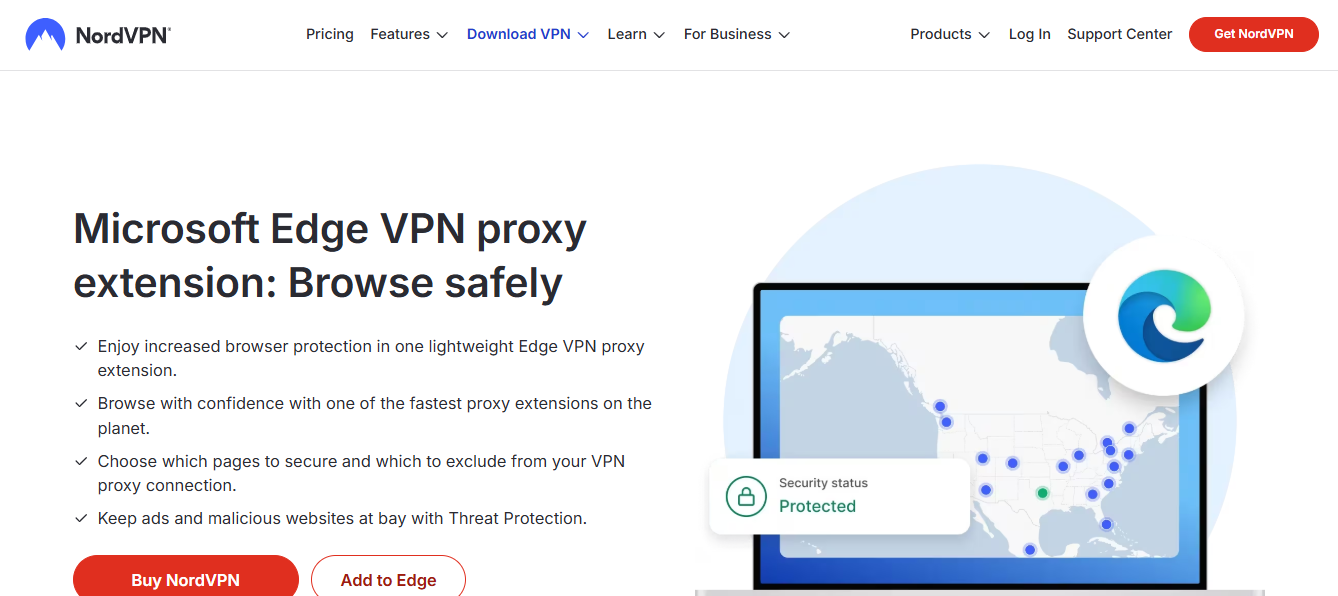
Option 2: VPN Extension in Edge Browser-Based
If you don’t want to install a full VPN, a browser extension can give you VPN-like functionality for Edge.
- How to add a VPN extension:
- Open Edge and go to the Extensions menu three dots > Extensions.
- Click Get extensions from Microsoft Edge Add-ons.
- Search for a reputable VPN extension e.g., a well-known provider’s Edge extension.
- Click Add to Edge and confirm permissions.
- Open the extension in the toolbar, sign in if required, and connect.
- What it does: Encrypts traffic for Edge only and routes that traffic via the VPN server selected in the extension.
- Caveats: Some extensions rely on the provider’s servers; not all extensions encrypt all Edge traffic and they don’t cover other apps on your device.
Security considerations
- Only trust extensions from reputable providers; extensions can access browser data.
- Enable kill switch options if the extension offers them to prevent leaks if the connection drops.
- Review the permissions requested by the extension before installation.
Option 3: Edge Privacy Features to Harden Browsing
Beyond VPNs, Edge includes privacy-focused features you can enable to reduce tracking and improve security without a VPN.
- Enhanced Tracking Protection: Blocks trackers by default; customize in Settings > Privacy, search, and services.
- SmartScreen Filter: Helps protect against phishing and malware; ensure it’s enabled in Settings.
- InPrivate browsing: Start an InPrivate window for sessions that shouldn’t leave history or cookies.
- Password health and password monitors: Keep credentials safe and flagged if breached.
How to enable these features
- Privacy settings: Settings > Privacy, search, and services > Tracking prevention. Choose Basic, Balanced, or Strict.
- SmartScreen: Settings > Privacy, search, and services > Microsoft Defender SmartScreen.
- InPrivate: Open a new InPrivate window from the Edge menu or press Ctrl+Shift+N.
- Password health: Settings > Profiles > Passwords, and turn on Password Monitor and Autofill where appropriate.
Step-by-Step Guide: How to Enable VPN in Edge Browser Combined Approach
- Step 1: Decide between full VPN, VPN extension, or Edge privacy features.
- Step 2: If using a full VPN service:
- Install the desktop app, sign in, connect to a server, then open Edge.
- Step 3: If using a VPN extension:
- Install the extension from Edge Add-ons, sign in, and connect.
- Step 4: If using Edge privacy features:
- Turn on Tracking Protection, SmartScreen, and InPrivate mode for sensitive sessions.
- Step 5: Verify your VPN status:
- Visit a site like whatismyipaddress.com to confirm your IP shows the VPN server location.
- Step 6: Test for DNS leaks:
- Use a DNS leak test page to ensure your DNS requests are being sent through the VPN if you’re using a full VPN or extension.
Practical Scenarios: When to Use Each Option
- Remote workers needing device-wide protection: Use a full VPN with a kill switch.
- Casual browsing or streaming from public Wi‑Fi: VPN extension can be a quick safeguard, but ensure the provider offers reliable encryption.
- Privacy-conscious student: Combine Edge privacy features with a reputable VPN for a balanced approach.
- Travel and access to regional content: A VPN with many server locations helps bypass geo-restrictions, but check licensing and streaming compatibility.
Data and Statistics to Back Up Your Choice
- Global VPN market size: Reached around $40 billion in 2023 with steady growth source: market research reports.
- Browser privacy trends: A significant portion of users enable Enhanced Tracking Protection or similar features in major browsers varies by region; use latest analytics for accuracy.
- DNS leak concerns: DNS leaks are a common risk if a VPN isn’t configured properly; many mainstream providers include DNS leak protection.
Best Practices for a Smooth Experience
- Choose servers close to your location to minimize latency.
- Enable auto-connect on startup for seamless protection.
- Regularly update Edge and any extensions to patch security flaws.
- Use a strong, unique password for your VPN account.
- Periodically check for IP and DNS leaks after updates or network changes.
Troubleshooting Common Issues
- VPN not connecting in Edge:
- Check the VPN app or extension permissions, ensure service is online, try a different server.
- Slow browsing speeds:
- Switch servers, use a wired connection, disable bandwidth-heavy extensions.
- DNS leaks:
- Ensure DNS leak protection is enabled in your VPN app or extension; consider using a custom DNS if allowed.
- InPrivate pages not benefiting from VPN:
- Some extensions don’t apply to InPrivate mode; enable the extension in InPrivate mode via Edge extensions settings.
Advanced Tips for Power Users
- Split tunneling: Route only certain sites or apps through the VPN.
- DNS over HTTPS DoH: Enable in Edge to improve privacy when not using a VPN.
- Kill switch: Ensure your VPN app or extension has a kill switch to prevent traffic leaks if the VPN drops.
- Multi-hop VPN: Some providers offer multi-hop for added privacy.
Real-World Checklist
- Have you selected the right option full VPN, extension, or Edge privacy features based on your needs?
- Is your VPN provider trustworthy with a clear no-logs policy?
- Are you routinely checking for IP and DNS leaks after changes or updates?
- Do you have a plan for when you’re on public Wi‑Fi or roaming data?
Case Studies
- Student on campus: Uses a VPN extension for casual browsing and campus resources, enabling faster access to regional content while keeping personal data private.
- Remote freelancer: Keeps a full VPN on for work, ensuring all traffic is encrypted and the connection remains private while handling sensitive client data.
- Traveler: Uses a VPN with a broad server list to access home country content and protect data on public networks.
Tooling and Resources
- Edge extensions store: For reputable VPN extensions and privacy tools.
- VPN provider websites: For desktop apps, server lists, and security features.
- Privacy blogs and testing sites: For independent reviews of VPNs and extensions.
- Technical support forums: Community-driven tips and troubleshooting steps.
Frequently Asked Questions
Do I need a VPN to use Edge securely?
A VPN adds an extra layer of privacy by encrypting traffic and masking your IP. Edge alone offers privacy features, but a VPN helps with broader protection, especially on public networks.
Can I use Edge’s built-in privacy features without a VPN?
Yes. Edges privacy features reduce tracking and improve security, but they don’t encrypt all traffic or mask your IP like a VPN does. How to enable vpn edge: a step-by-step guide to turning on Microsoft Edge's built-in VPN and choosing the right VPN setup 2026
How do I install a VPN extension in Edge?
Go to Edge extensions, search for a reputable VPN, add it to Edge, sign in, and connect.
Will a VPN extension slow down my browsing?
Sometimes. It depends on server distance and load. If you notice slowdowns, try a closer server or a different provider.
Is there a risk with VPN extensions?
Extensions can access browser data, so stick to trusted providers, review permissions, and enable kill switch if available.
Can I route only Edge traffic through a VPN?
Browser extensions can route Edge traffic; for whole-device protection, use a full VPN app.
How can I test if my VPN is working?
Visit whatismyipaddress.com or a DNS leak test site to confirm your IP vs. VPN server and check for leaks. How to disable vpn or proxy on windows 10 2026
Are VPNs legal everywhere?
Most places allow VPNs, but some countries restrict or regulate their use. Always know local laws and your rights.
What should I do if the VPN disconnects?
Use a kill switch if available, re-connect to a server, or switch servers. Check for software updates.
Can I use multiple VPNs at once?
Generally not recommended; it can cause conflicts. A single trusted VPN or one well-configured extension is best.
How to enable vpn in edge browser on Windows 11 and Windows 10: step-by-step guide to using built-in VPN settings and extensions
You can enable a VPN in Edge by using built-in VPN settings or a VPN extension. In this guide, you’ll get a clear, practical path to protecting your browsing with Edge—whether you prefer a system-wide VPN via Windows or a browser-specific extension in Edge. For those who want a quick boost, NordVPN’s current offer is a solid option to consider: 77% OFF + 3 Months Free. Check it out here: . If you’d rather read about how to enable VPN in Edge first and then decide, you can also visit NordVPN’s page for more details and alternatives.
Introduction: what you’ll learn How to use india vpn free 2026
- Quick options: use Windows’ built-in VPN system-wide or install a VPN extension directly in Edge.
- Step-by-step instructions for both approaches, plus tips to test your connection and verify your IP.
- Honest advice on performance, privacy, and when to choose one method over the other.
- A practical FAQ section to clear up common questions and obstacles.
What you’ll need to get started
- A VPN service you trust either a Windows VPN provider or a browser VPN extension that supports Edge.
- Basic Windows credentials for Windows VPN setup or a login for the VPN extension.
- A stable internet connection to test before and after you enable the VPN.
- Optional: a plan that includes live support, Kill Switch, and DNS leak protection for maximum safety.
Two solid ways to enable a VPN in Edge
- Method A: Use Windows VPN system-wide for all traffic, including Edge
- Method B: Install a VPN extension in Edge for browser-level protection
Method A: Enable a VPN in Edge by using Windows’ built-in VPN system-wide
- Open Windows Settings
- Click the Start button, then Settings, or press Windows key + I.
- Go to Network & Internet.
- Add a VPN profile
- Select VPN from the side menu, then click Add VPN.
- VPN provider: Windows built-in.
- Connection name: Any name you’ll recognize e.g., “Edge VPN – Home”.
- Server name or address: This comes from your VPN provider the VPN service will give you the server address.
- VPN type: Choose the protocol your VPN provider supports IKEv2 is common. L2TP/IPsec is another option. SSTP is less common. OpenVPN often uses a separate app rather than Windows’ built-in option.
- Type of sign-in info: Username and password are typical. you may also use a one-time code or certificate if your provider requires it.
- Username and Password: Enter the credentials given by your VPN provider.
- Save: Click Save to finish the setup.
- Connect to the VPN
- Open the Quick Settings panel the network icon on the taskbar and click the VPN entry you just created, then click Connect.
- If prompted, allow Windows to create the necessary network routes and firewall rules.
- Verify your connection
- Visit a site like whatismyipaddress.com to confirm your IP address has changed and that you’re appearing from a different location.
- Make sure Edge pages load normally. if you see delays or timeouts, you might want to switch to a closer server or a different VPN protocol.
- Practical notes
- A system-wide VPN protects all traffic, including Edge, other browsers, apps, and background services.
- If your VPN provider uses a specific OpenVPN client, you might need to install that client instead of relying on Windows’ built-in options.
- Kill Switch and DNS leak protection: If your provider offers these features, enable them in the provider’s app or in Windows settings where applicable.
Method B: Enable a VPN in Edge by installing a VPN extension
- Decide on a reputable Edge VPN extension
- Popular options include NordVPN, ExpressVPN, ProtonVPN, Windscribe, and TunnelBear. Most of these have Edge-compatible extensions since Edge is Chromium-based.
- Look for extensions with good privacy policies, transparent logging information, and strong encryption AES-256 or better.
- Add the extension to Edge
- Open Edge, go to Extensions > Get extensions from Microsoft Edge Add-ons or Chrome Web Store if the provider ships there.
- Search for the VPN extension you chose e.g., “NordVPN extension”.
- Click Add to Edge and confirm any prompts to install.
- Sign in and configure
- Open the extension from the Edge toolbar the little shield or padlock icon, depending on the extension.
- Sign in with your VPN account credentials.
- Adjust settings:
- Start on launch optional
- Auto-connect on startup recommended if you frequently browse on public networks
- Kill Switch some extensions offer this inside the browser
- Split tunneling choose which sites or apps bypass the VPN
- Connect to a VPN server
- In the extension UI, pick a country/server and click Connect.
- Some extensions show real-time connection status and data usage. you’ll see a shield icon indicating VPN protection is active in Edge.
- Verify your connection
- Again, check whatismyipaddress.com or a similar site to confirm your IP has changed and the URL is routed through the VPN server.
- If a page loads slowly, try a different server or protocol if your extension allows protocol switching and check for any conflicts with other security software.
- Why you might pick an extension over a system-wide VPN
- Per-site control: You can enable protection for Edge while maintaining normal network access for other apps.
- Simplicity: For many users, a single-click connect in the Edge extension is easier than a full system VPN setup.
- Access to Edge-specific features: Some VPN extensions offer Edge-specific performance improvements or browser-level cookie protections.
Choosing between system-wide VPN and Edge extensions Hotspot shield vpn edge comprehensive guide to features, performance, privacy, pricing, and setup in 2026
- System-wide VPN Windows VPN: Best for protecting all traffic, including apps, games, email clients, and other browsers. If you want consistency across devices and platforms, this is the simplest route.
- Edge extension: Best for browser-level protection with quick enable/disable, per-site rules, and sometimes better performance for web traffic. It can be ideal if you only need privacy in the browser or want to test a VPN without affecting entire device traffic.
- Hybrid approach: Some users run a Windows VPN for system-wide protection on sensitive tasks and use an Edge extension for specific browsing scenarios or geo-unblocking during streaming.
How to decide which VPN to trust and use
- Privacy policy: Look for a no-logs policy and a transparent privacy statement.
- Jurisdiction: Prefer providers based in privacy-friendly jurisdictions and with robust data protection laws.
- Encryption and security features: AES-256 encryption, modern protocols WireGuard, IKEv2, Kill Switch, DNS leak protection.
- Server reach: A wide distribution of servers across many countries helps avoid congestion and find fast routes.
- Independent audits: Some providers publish third-party security audits. that’s a plus for trust.
- Independent reviews: Check reputable tech sites and user reviews to gauge real-world performance.
Edge-specific privacy features you should know beyond VPN
- Edge’s tracking protection: Edge includes built-in tracking prevention levels Basic, Balanced, Strict. This helps block trackers but isn’t a replacement for a VPN.
- Secure DNS: Edge can use encrypted DNS settings to reduce eavesdropping on DNS requests. this complements a VPN but isn’t a VPN itself.
- WebRTC leaks: If you’re worried about IP leaks through WebRTC, ensure your VPN or extension has WebRTC leak protection, or disable WebRTC in Edge when needed.
Real-world tips to maximize VPN performance in Edge
- Choose servers near you: For speed, connect to servers geographically closer to you.
- Use UDP over TCP when available: UDP generally offers better performance for VPN traffic.
- Keep the Edge extension up to date: The browser and extension updates often include security improvements and bug fixes.
- Test at different times of day: Speeds can vary based on traffic. if you hit congestion, switch servers.
- Disable unnecessary extensions: Conflicts can cause performance degradation or connection drops.
- Check for other software interference: Firewalls or antivirus settings sometimes block VPN traffic. ensure your VPN is allowed.
Security and privacy best practices when using Edge with a VPN
- Use a reputable provider: Stick to well-known, privacy-focused providers rather than free VPNs.
- Enable Kill Switch and DNS leak protection: If available, turn these features on to prevent accidental IP exposure.
- Regularly review privacy settings: Worried about data sharing? Check the provider’s privacy policy and adjust settings accordingly.
- Update Edge and extensions routinely: Security patches are released frequently, and updates reduce risk exposure.
- Be mindful of browser fingerprinting: Even with a VPN, sites can use fingerprinting techniques. Consider browser hardening e.g., privacy-focused user agents, fewer Extensions.
Troubleshooting common issues in Edge with VPN Geo vpn: comprehensive guide to geo vpn services for streaming privacy and security in 2026
- VPN won’t connect
- Check server address and credentials for Windows VPN or re-sign in to the extension.
- Restart Edge and try a different server.
- Ensure your firewall or antivirus isn’t blocking VPN traffic.
- Pages fail to load or slow down significantly
- Switch to a closer server. try a different protocol. reduce encryption level if possible without compromising security.
- Pause other bandwidth-heavy tasks on your network.
- DNS leaks or IP exposure
- Run a DNS leak test. enable DNS leak protection in your VPN extension or app.
- If leaks persist, consider using a different DNS provider or switch to a different VPN server that advertises DNS leak protection.
- Edge extension not showing status
- Ensure the extension is enabled in Edge Extensions > Manage extensions.
- Reinstall the extension and sign back in.
- Check for Edge updates and extension compatibility notes.
Edge, VPN extensions, and cross-device considerations
- Desktop vs. mobile
- On Windows, you can use either a Windows VPN or Edge extension as described.
- On macOS or Linux, you’ll typically rely on system VPN settings and compatible Edge extensions.
- On Android and iOS, Edge can work with VPNs only through the device’s VPN profile or a compatible browser extension if available. most iOS/Android VPN apps provide system-wide protection that Edge will automatically honor.
- Other browsers
- If you switch to Chrome or Firefox, many of the same extensions work. Edge users often opt for Edge-specific extensions in the Microsoft Edge Add-ons store or the Chrome Web Store due to compatibility.
Common mistakes to avoid
- Assuming a browser extension is a full replacement for a system-wide VPN. It isn’t always. it may only cover Edge traffic.
- Using free VPNs for long-term privacy. Free options often come with limited data, slower speeds, and questionable privacy practices.
- Ignoring server location. A long-distance server can dramatically affect speed and reliability.
- Not validating IP address after connection. Always verify your IP to confirm the VPN is working as intended.
Frequently asked questions
Frequently Asked Questions
Can Edge enable a VPN on its own?
Yes, Edge can work with VPN extensions for browser-level protection, or you can enable a system-wide VPN in Windows so all traffic, including Edge, goes through the VPN.
Is a VPN extension in Edge safe to use?
Yes, as long as you choose a reputable provider with a clear no-logs policy and strong encryption. Read reviews, check privacy policies, and prefer well-known brands. How to turn on vpn edge easily: step-by-step guide to enable Edge Secure Network, use vpn extensions, and optimize privacy 2026
Will a VPN in Edge slow down my browsing?
Sometimes. VPNs introduce additional encryption overhead and routing, which can slow down connection speeds. The impact varies by server distance, provider, and network conditions.
Should I use a Windows VPN or Edge extension?
If you want full device protection, use Windows VPN. If you want quick browser-level control or per-site rules, use an Edge extension. Many users combine both for maximum flexibility.
How do I test if my VPN is really on?
Visit whatismyipaddress.com or ipinfo.io to verify your IP address and location reflect the VPN server, not your actual location.
Can I use a free VPN with Edge?
Free VPNs exist, but they often come with limits and privacy trade-offs. For serious privacy and reliability, a paid VPN from a reputable provider is safer.
Do VPNs hide my activity from my ISP?
A VPN hides your site visits and traffic contents from your ISP, but they can still see that you’re using a VPN connection. End-to-end encryption ensures your data content is hidden, not necessarily your metadata. How to enable vpn in microsoft edge with extensions and system VPN: a complete step-by-step guide for secure browsing 2026
Can I run a VPN in Edge on a school or work network?
In many cases, VPNs are restricted by organizational policies. If you’re allowed to use a VPN there, the administrator can provide the recommended configuration. If not, you may need to discuss policy allowances with your IT department.
How many servers should I expect from a good VPN?
A strong VPN usually offers hundreds to thousands of servers across dozens of countries. More servers generally translate to better performance and less congestion.
Do VPNs work with streaming sites in Edge?
Many VPNs support streaming but some services actively block VPN IPs. If streaming is your goal, pick a provider known for reliable streaming support and multiple high-speed servers.
Is there a risk to personal data when using VPN extensions?
The primary risk is trusting the VPN provider with your data. Choose a provider with a transparent privacy policy, independent audits, and robust security practices.
Useful resources and further reading unlinked text format How to use vpn edge 2026
- How VPNs work and why they’re important
- Windows 11 VPN setup guide from Microsoft
- Edge extensions store and how to manage Edge add-ons
- Best practices for reducing online tracking and protecting privacy
- DNS leak tests and how to use them
- Killer Switch explanations and why you might need one
- Privacy policies for popular VPN providers
- Understanding VPN logging and data collection
- Common firewall and antivirus conflicts with VPNs
- Network performance testing for VPNs
Note: If you want more hands-on help, I’ve got you covered. Check out trusted VPN providers and their official setup pages for the most current server lists, protocol options, and security features to tailor your Edge experience.
References and further reading
- Edge browser VPN extensions and add-ons
- Windows 11 VPN setup and troubleshooting
- VPN best practices for privacy and security
- Understanding DNS and WebRTC leaks
- Privacy-focused browser configurations and extensions
稳定的vpn机场全指南:评估、选择、测试速度与解锁能力、隐私保护与购买建议