How to enable vpn in microsoft edge with extensions and system VPN: a complete step-by-step guide for secure browsing 2026
How to enable vpn in microsoft edge with extensions and system vpn a complete step by step guide for secure browsing — quick facts: enabling a VPN in Edge can protect your data on public Wi‑Fi, bypass regional restrictions, and keep your browsing private. This guide walks you through two main paths: using Edge extensions for VPN services and configuring a system-wide VPN so every app, not just Edge, benefits from the protection. Below, you’ll find a practical, step‑by‑step approach, plus tips, checks, and real‑world considerations to keep you secure online.
Introduction: quick start guide to secure browsing in Edge
- Quick fact: You can enable a VPN in Edge using extensions or your device’s built‑in VPN settings, and you don’t need to be a tech whiz to do it.
- What you’ll get in this guide:
- A clear, step‑by‑step process to install and use VPN extensions in Edge
- How to set up a system VPN for network-wide protection
- Practical tips for choosing a VPN provider and testing your connection
- Real‑world examples and best practices for secure browsing
- Useful formats you’ll see:
- Quick steps you can follow in under 10 minutes
- Checklists to verify VPN status
- Short tables comparing extension VPNs vs. system VPN
- Resources unlinked text, copy‑paste if needed:
- Apple Website - apple.com
- Microsoft Edge Support - support.microsoft.com
- Wikipedia – en.wikipedia.org
- VPN provider websites e.g., expressvpn.com, nordvpn.com
- Privacy.org resources
Why you’d want to enable VPN in Microsoft Edge
A VPN hides your IP address, encrypts your traffic, and can help you access content that might be region‑locked. In Edge, you can either use a browser extension that applies to Edge traffic or configure a system VPN so every app on your PC benefits. If you mainly browse in Edge, extensions are the quickest route. If you want total device coverage including apps like file sync, email clients, or games, set up a system VPN.
Quick overview: Edge extensions vs. system VPN
- Edge extensions:
- Pros: Easy setup, quick switch on/off, usually free trial options
- Cons: VPN protection limited to Edge traffic
- System VPN:
- Pros: Device-wide protection, protects all apps
- Cons: May require more setup and potential impact on device performance
Before you start: choosing the right VPN
Choosing a reputable VPN matters. Look for:
- No-logs policy and transparent privacy practices
- Strong encryption AES-256, secure protocols OpenVPN, WireGuard
- Independent security audits
- Clear kill switch and DNS leak protection
- Reasonable speeds and reliable uptime
- Good customer support and clear pricing
- Transparent jurisdiction consider privacy‑friendly countries
Quick recommendation checklist
- Do they publish an up‑to‑date privacy policy?
- Is there a free trial or money‑back guarantee?
- Do they support WireGuard and/or OpenVPN?
- Can you use it on multiple devices with one subscription?
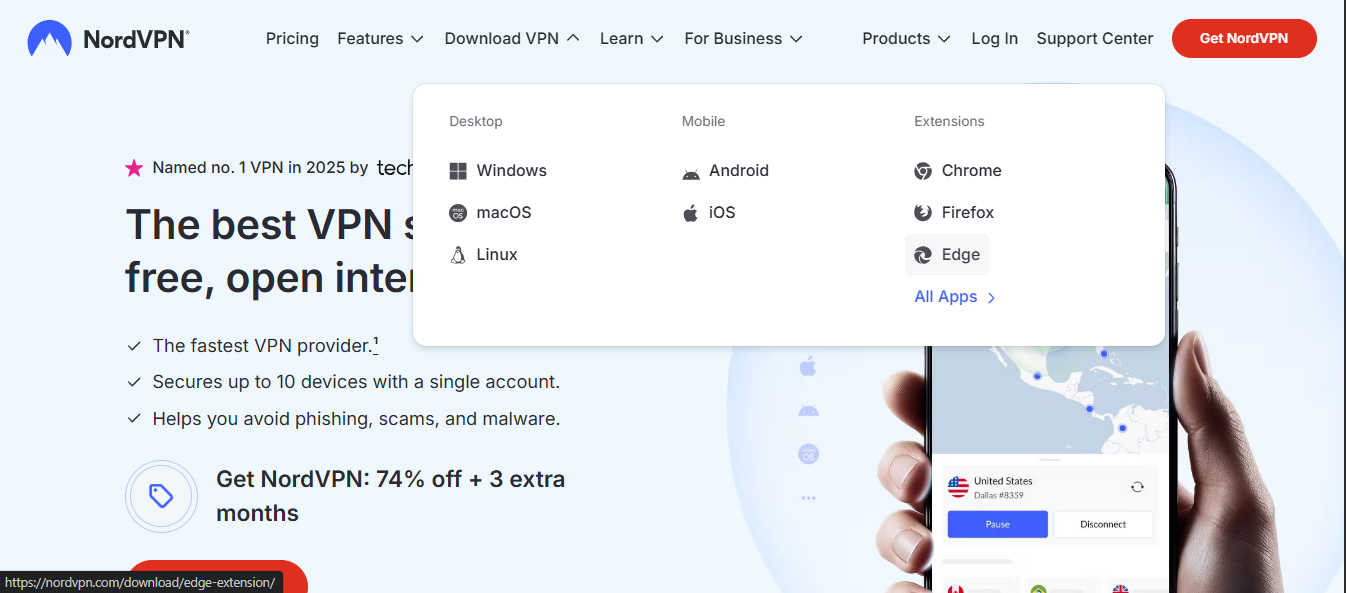
- Do they offer a browser extension specifically for Edge?
How to enable VPN in Edge using extensions step-by-step
Edge extensions act on Edge traffic. Here’s how to set it up.
Step 1: Pick and install a VPN extension
- Go to the Edge Add-ons store.
- Search for a trusted VPN extension look for extensions from known providers or those with strong user reviews and clear privacy statements.
- Click Add to Edge and confirm permissions.
Step 2: Sign up and log in
- Open the extension from the Edge toolbar.
- Sign in with your VPN account or create one if needed.
- Some extensions offer a free plan or trial; upgrade if you need longer use.
Step 3: Configure basic settings
- Enable the VPN with a single click or toggle.
- Choose a server location that fits your needs nearby for speed, region for content.
- Ensure “kill switch” is enabled in the extension if available this stops all traffic if the VPN drops.
Step 4: Verify the VPN is working in Edge
- Visit an IP checker site for example, whatismyipaddress.com and confirm the IP shows the server location you selected.
- Check for DNS leaks some extensions have built‑in DNS protection; if not, use a provider that offers DNS leak protection.
Step 5: Edge-specific tips
- Disable other VPNs or proxies in Edge to avoid conflicts.
- Use the extension per browsing session or have it auto‑start when Edge launches.
Step 6: Troubleshooting common issues
- VPN won’t connect: switch server, check your login status, restart Edge.
- Slow speeds: try fewer hops, switch to a nearby server, ensure your internet is fast enough.
- DNS leaks: enable DNS leak protection in the extension or use a DNS-over-HTTPS option if available.
How to enable VPN at the system level Windows for Edge and all apps
System VPN provides protection across the entire device, not just Edge.
Step 1: Choose your system VPN method
- VPN app from a provider recommended
- Built‑in Windows VPN profile if you’re not using a provider app
Step 2: If using a VPN app recommended
- Download the Windows client from your VPN provider.
- Install and launch the app.
- Sign in and pick a server location.
- Enable the VPN and ensure the app’s kill switch is on.
Step 3: If you want to use Windows built‑in VPN manual setup
- Open Settings > Network & Internet > VPN > Add a VPN connection.
- Fill in the details from your VPN provider you’ll need server address, VPN type, login info.
- Save and connect. Edge traffic will route through the VPN once connected.
Step 4: Verify system VPN status
- Confirm the VPN icon in the taskbar shows connected.
- Check your IP on a browser same site as before to confirm the location matches your chosen server.
- Ensure DNS leaks are blocked; you can use a DNS leak test site to verify.
Step 5: Security features to enable
- Kill switch: keeps your data safe if the VPN disconnects
- Auto-connect: auto‑connect on startup or when on unsecured networks
- DNS protection or DNS leak blocking in the app
Step 6: Troubleshooting system VPN
- If apps fail to connect, restart the VPN app and/or system.
- If you have multiple VPN profiles, ensure you’re connected to the right one.
- Check firewall settings if connections are blocked.
Real‑world tips for secure browsing with Edge VPN
- Use strong, unique passwords for your VPN accounts and enable two‑factor authentication if available.
- Keep your VPN app and Edge browser updated to the latest version.
- Periodically test for DNS leaks and IP leaks to verify protection.
- Be mindful of privacy policies: a VPN hides your traffic from your ISP, but it doesn’t make you anonymous online.
- For streaming, choose servers that are optimized for the content you want to access; speeds vary by location.
- If you’re on public Wi‑Fi, always enable the VPN before starting any browsing session.
Performance considerations and data privacy
- VPNs can reduce your raw internet speed due to encryption and routing. Expect some slowdown, especially on distant servers.
- Opt for WireGuard or OpenVPN over older protocols when possible for a good balance of speed and security.
- Look for split tunneling features if you only want certain apps or sites to go through the VPN, keeping others fast and direct.
- Privacy is not only about hiding your IP; use secure websites HTTPS and avoid sharing sensitive information over unsecured networks, even with a VPN.
How to test and validate your VPN setup
- IP address check: whatismyipaddress.com or similar
- DNS leak check: dnsleaktest.com or dnsleaktest.org
- WebRTC leak test: canyouhackit.com or similar tools Edge WebRTC vulnerabilities are rare but worth checking
- Speed test: run fast.com or speedtest.net with the VPN connected to see real‑world impact
Edge browser settings to support VPN usage
- Clear cache periodically to avoid stale DNS results
- Disable auto-fill on sensitive sites if you’re on shared devices
- Use strict tracking protection in Edge settings for added privacy
- Consider using a privacy‑focused search engine in combination with your VPN
Edge extensions that commonly work well with VPNs
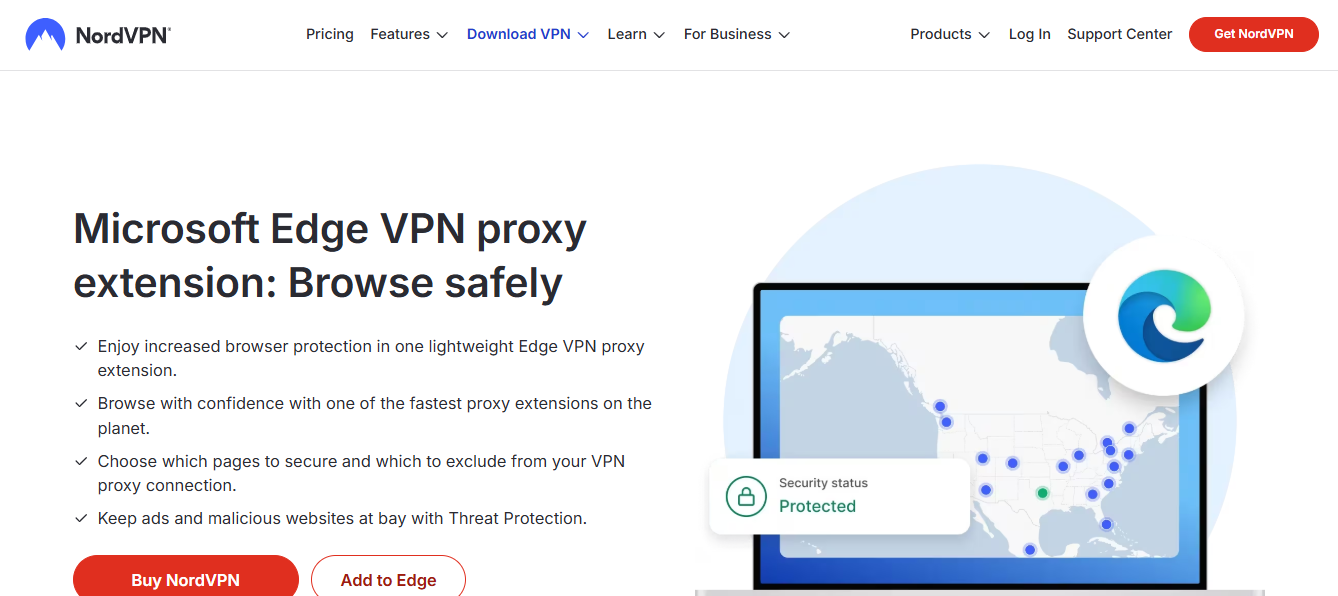
- VPN browser extension options include providers like ExpressVPN, NordVPN, Surfshark, and Private Internet Access, among others.
- Look for extensions with:
- Clear connection status indicators
- Easy server switching
- Built‑in kill switch and DNS protection
- Positive user reviews and transparent privacy statements
Common mistakes to avoid
- Thinking a browser extension provides full device privacy—the system VPN is needed for full coverage.
- Relying on free VPNs for sensitive data; many free services log data or inject ads.
- Forgetting to enable the VPN on startup or on public networks.
- Neglecting to verify the VPN is actually on check your IP and DNS.
Best practices for staying secure online with Edge VPN
- Use a reputable provider with strong encryption and a clear privacy policy.
- Always enable the kill switch when using VPNs on untrusted networks.
- Keep browser and VPN apps updated; enable automatic updates.
- Use two-factor authentication for your VPN account.
- Be mindful of what you enter into forms even when connected to a VPN.
What to do if Edge VPN extension conflicts with other extensions
- Disable other network-related extensions to test for conflicts.
- Check for browser policy restrictions in the extension’s settings.
- Ensure Edge itself is up to date to avoid compatibility issues.
How to switch between Edge extension VPN and system VPN
- You can use both, but it’s typically best to pick one approach per session.
- If Edge extension is on, you can still have a system VPN connected, but some traffic will prefer the VPN route you configured in Windows.
- In general, for most users, using one method consistently reduces confusion and potential leaks.
Common questions you’ll have while setting up
- Can I run a VPN extension and a system VPN at the same time in Edge?
- Will a VPN affect streaming services in Edge?
- How do I know if my VPN is truly protecting me?
- Is it safe to use a free VPN extension in Edge?
- How often should I update my VPN extensions?
- Do VPNs work on all Edge channels Stable, Beta, Dev?
- How can I test for IP leaks in Edge?
- Can I customize server locations for Edge extensions?
- What’s the difference between a VPN and a proxy in Edge?
- How do I manage multiple profiles in a single VPN account?
Performance and security checklist quick reference
- Choose a reputable provider with a solid privacy policy
- Enable kill switch and DNS protection
- Use Edge extensions for quick access or system VPN for full coverage
- Verify IP and DNS every time you connect
- Keep everything updated
- Use strong passwords and 2FA for VPN accounts
- Test on different networks home, work, and public
Frequently Asked Questions
How do I enable a VPN in Microsoft Edge with extensions?
Install a reputable VPN extension from the Edge Add-ons store, sign in, enable the VPN, choose a server, and verify your IP shows the chosen location. How to turn on vpn edge easily: step-by-step guide to enable Edge Secure Network, use vpn extensions, and optimize privacy 2026
Should I use a VPN extension or a system VPN?
If you mainly browse in Edge, a VPN extension is quick and convenient. If you want device-wide protection, use a system VPN.
Can I run both Edge VPN extension and system VPN at the same time?
You can, but it’s usually better to pick one method per session to avoid conflicts and leaks.
How do I verify my VPN is working?
Check your IP address on a site like whatismyipaddress.com and confirm it matches the VPN server location. Run DNS leak tests to ensure protection.
What if my VPN is slow?
Try a closer server, switch protocols if available, close other bandwidth‑heavy apps, and ensure your internet connection is stable.
Is a kill switch necessary?
Yes, a kill switch prevents data leaks if the VPN drops unexpectedly. How to enable vpn in edge browser 2026
Are free VPNs safe?
Many free VPNs come with restrictions or data logging. Prefer reputable paid services with transparent policies.
Can VPNs access my location data?
A VPN hides your real IP, not your device’s hardware location. It’s still important to use privacy‑respecting services and disable unnecessary permissions.
Can I use VPNs on public Wi‑Fi?
Absolutely. In fact, public Wi‑Fi is a strong reason to use a VPN to prevent eavesdropping on your traffic.
How often should I update my VPN software?
As soon as updates are available. Security patches matter, especially for protecting data on public networks.
What browsers work best with VPN extensions?
Most major browsers support VPN extensions, but Edge users should pick extensions compatible with Edge and ensure they’re from reputable providers. How to enable vpn edge: a step-by-step guide to turning on Microsoft Edge's built-in VPN and choosing the right VPN setup 2026
How can I test for DNS leaks quickly?
Use DNS leak test sites after connecting to the VPN to confirm DNS requests are not leaking outside the VPN tunnel.
Can I use VPNs for streaming on Edge?
Many VPNs offer servers optimized for streaming, but performance varies. If you encounter blocks, switch servers or check the provider’s streaming policy.
Do VPNs impact gaming latency?
Yes, VPNs can add latency. If gaming is a priority, test a nearby server and use split tunneling if available to keep gaming traffic fast.
How do I remove a VPN extension from Edge?
Open Edge, go to Extensions, find the VPN extension, and choose Remove. Then restart Edge.
Can I schedule VPN auto‑start in Edge?
Some extensions offer auto‑start options on launch, and Windows can be set to start VPN on startup for system VPN. How to disable vpn or proxy on windows 10 2026
What privacy safeguards should I enable beyond VPN?
Use a privacy‑respecting search engine, enable tracking prevention in Edge, and consider a reputable password manager with 2FA.
How do I know which server location to choose?
Choose a server close to your geographic location for speed, or a location where your content is available if you’re accessing region‑restricted content.
Are there any legal considerations with VPNs?
VPN usage is legal in most countries, but always respect local laws and terms of service for content and services you access.
You can't enable a VPN directly in Microsoft Edge. You use a VPN app or browser extension, and/or you configure Windows’ built-in VPN so Edge traffic is routed through it. In this guide, you’ll get a clear, step-by-step plan to set up a VPN for Edge, whether you prefer a browser extension or a full-system VPN. I’ll walk you through practical tips, performance tweaks, and common pitfalls so you can stay safe, fast, and private online. Plus, I’ve included a handy quick-start checklist and a list of trustworthy resources to keep you on track. And if you’re looking for a solid deal to get started, check this banner:
Useful resources un-clickable: NordVPN - nordvpn.com, Microsoft Edge extensions store - microsoftedge.microsoft.com/addons, Windows VPN setup guide - support.microsoft.com, WhatIsMyIP - whatismyip.com, DNSLeakTest - dnsleaktest.com, IPLeak - ipleak.net, Privacy and security basics - privacyguides.org How to use india vpn free 2026
Why you can’t enable VPN directly in Edge
- Edge is a browser, not a network tunnel. A VPN creates a secure tunnel for all traffic, which requires a system-level service or an extension that routes traffic through a VPN server.
- You have two practical paths: install a VPN extension inside Edge, or set up a Windows VPN connection that Edge will automatically use when you browse.
This distinction matters because some sites behave differently when you route traffic through a browser extension versus a full-system VPN. If you’re testing streaming, gaming, or secure work from home, you’ll likely want a full-system VPN for all apps, not just Edge.
Two primary ways to use VPN with Microsoft Edge
- Browser extensions Edge-compatible or Chrome Web Store extensions
- Windows VPN system-wide VPN you connect to from Windows settings
Both approaches have their pros and cons. Extensions are quick and often cheaper, but some extensions can leak DNS if not well configured. System VPNs protect all traffic and are generally more private, but setup can be a tad more involved and may require a paid subscription.
A quick-start guide: how to enable a VPN extension in Edge
If you want a fast, Edge-centric setup, extensions are the easiest path. Here’s how to get it done:
- Open Edge and go to Extensions
- In Edge, click the three-dot menu, choose Extensions, then select Get extensions from Microsoft Store or Chrome Web Store. Edge supports many Chrome extensions, so you can use popular VPNs.
- Pick a VPN extension
- Search for well-known providers like NordVPN, ExpressVPN, Surfshark, ProtonVPN, or your preferred service. Read reviews and verify the extension has good ratings and a privacy policy you trust.
- Install the extension
- Click Install or Get, and grant the requested permissions. These permissions usually include reading and altering data on the websites you visit, which is normal for a VPN extension to function.
- Pin and open the extension
- After installation, pin the VPN extension to your Edge toolbar for quick access. Click the extension icon, and you’ll typically be prompted to log in with your VPN account.
- Connect to a server
- Choose a server location that fits your needs e.g., nearby for speed or a country for access to content. Most extensions show latency or ping. pick a server with the best balance of speed and access.
- Verify the connection
- Once connected, visit a site like ipinfo.io or whatismyip.com to confirm your IP address and location have changed. You can also perform a DNS leak test to make sure DNS requests are going through the VPN.
- Optional tweaks
- Some VPN extensions offer features like kill switch, split tunneling, or automatic startup. If you’re privacy-conscious, enable the kill switch so Edge traffic doesn’t leak if the extension drops.
- Keep it updated
- Edge extensions are updated via the Edge store. Check for updates periodically to ensure you have the latest security patches and performance improvements.
Affiliate note: If you’re looking for a reliable starting point with good performance and privacy features, NordVPN’s browser extensions offer a solid balance of speed and protection. The banner above links to a current deal. it’s a good way to test-drive a premium VPN with Edge compatibility.
A quick-start guide: how to set up a Windows VPN connection for Edge
If you prefer a system-wide VPN that Edge will automatically use, here’s how to set it up on Windows: How to use microsoft edge vpn 2026
- Open Windows Settings
- Click Start, then Settings, or press Windows key + I.
- Go to Network & Internet > VPN
- You’ll see a section to add a VPN connection.
- Add a VPN connection
- Click “Add a VPN connection.”
- Enter provider details
- VPN provider: Windows built-in
- Connection name: any name you’ll recognize e.g., “MyWorkVPN”
- Server name or address: provided by your VPN service
- VPN type: Automatic or as specified by your provider
- Type of sign-in info: Username and password or certificate, depending on your plan
- Save and connect
- Save the configuration, then select the VPN you just added and click Connect. Enter your credentials if prompted.
- Test the VPN
- With the VPN connected, open Edge and browse as usual. Check your IP address and location using ipinfo.io to verify the tunnel is active.
- Disconnect when done
- You can disconnect anytime from Windows Settings > VPN or from the network icon in the taskbar.
Benefits of a system-wide VPN for Edge
- All traffic, not just Edge, goes through the VPN.
- Works with apps outside the browser, ideal for secure work environments.
- Generally offers more robust security features e.g., kill switch at the OS level and DNS protection.
Choosing the right VPN for Edge
Not all VPNs are created equal. When you’re using Edge or any browser, you want to pick a provider that meets your needs without sacrificing speed or privacy.
Key criteria to consider:
- No-logs policy: The VPN should explicitly state it doesn’t log your activities.
- Speed and server distribution: A broad server network, ideally with many in your region to minimize latency.
- Kill switch and DNS leak protection: Prevents data leaks if the connection drops.
- DNS privacy and protection: DNS leak testing should pass consistently.
- Multi-device support: If you use Edge on multiple devices, a provider that allows several simultaneous connections is handy.
- Easy-to-use extensions: If you want Edge-specific control, extensions that are straightforward and transparent help a lot.
- Price and value: Look for a fair price with a clear refund policy and a month-to-month option if you’re trying it out.
Recommended approach:
- If you want simplicity and strong privacy for browsing, a reputable provider with a robust Edge extension or good Chrome extension compatibility is ideal.
- If you rely on streaming content in Edge, prioritize speed-optimized servers, obfuscated servers for restrictive networks, and consistent unblocking capabilities.
- For work or high-security needs, a system-wide VPN with a strict no-logs policy, a kill switch, and DNS protection is the safer bet.
Edge-specific tips for performance and security
- Choose nearby servers: For the best speed, pick servers geographically closer to you. Distance adds latency, which can slow down browsing and streaming in Edge.
- Enable the kill switch: If your VPN or extension offers a kill switch, turn it on. This protects you if the VPN drops unexpectedly.
- DNS leak protection: Ensure your VPN uses its own DNS servers and enable DNS leak protection to avoid exposing your real IP.
- Use VPNs with obfuscation: If you’re on a network that blocks VPN traffic like some public networks or workplaces, obfuscated servers help you bypass blocks.
- Split tunneling: If you don’t need all traffic to go through the VPN, use split tunneling to route Edge traffic through the VPN while other apps use your regular connection. This preserves speed for non-sensitive tasks.
- IPv6 considerations: Some VPNs only tunnel IPv4 traffic. If you’re an IPv6 user, verify IPv6 handling to prevent leaks. If needed, disable IPv6 in Windows for VPN sessions where your provider doesn’t support it.
- Always test after setup: A quick DNS leak test and an IP check confirm you’re routed through the VPN. Do this after every major change or server switch.
- Update regularly: VPN apps and Edge extensions get frequent security updates. Keep everything updated to close vulnerabilities.
How to test your VPN is working in Edge
- IP address check
- Visit ipinfo.io or whatismyip.com to confirm your IP address and location match the VPN server you selected.
- DNS leak test
- Run a DNS leak test dnsleaktest.com or dnsleaktester.com to ensure DNS queries are resolved by the VPN provider and not your ISP.
- IPv6 test
- If your VPN doesn’t support IPv6, ensure there are no IPv6 leaks by testing with ipinfo.io and ipleak.net.
- Kill switch verification
- Turn off the VPN or disable the extension and try a site that checks your IP. If your real IP appears, the kill switch isn’t configured correctly.
- WebRTC check
- Some VPNs don’t prevent WebRTC leaks by default. Use a WebRTC test to verify your real IP isn’t exposed through WebRTC.
- Speed test
- Run a quick speed test e.g., speedtest.net before and after connecting to the VPN to gauge impact. Expect some slowdown due to encryption and routing, but aim for minimal loss.
Performance and safety considerations when using VPN with Edge
- Privacy-first approach: Opt for a provider with a transparent privacy policy, transparent auditing, and a strict no-logs commitment.
- Server load matters: Some servers get congested during peak hours. switching to a less crowded server can improve speeds.
- Data caps and limits: Ensure your plan supports your usage, especially if you’re streaming or downloading large files.
- Browser fingerprinting: A VPN hides your IP but not your browser fingerprint. Use updated browsers and consider privacy-conscious settings in Edge like blocking third-party cookies to reduce fingerprinting risk.
- Security beyond VPN: A VPN is essential for privacy, but keep your device secure with up-to-date OS patches, strong passwords, and good anti-malware practices.
Common issues and fixes
VPN won’t connect How to use ultrasurf vpn: a practical step-by-step guide for Windows, Android, macOS, iOS, safety tips, and alternatives 2026
- Check server availability and try a different server.
- Re-login to your VPN account in the extension or app.
- Restart Edge or your computer. reapply the VPN connection.
- Ensure you’re not behind a firewall or proxy that blocks VPNs.
DNS leaks despite VPN
- Enable DNS leak protection in the VPN settings.
- Use a trusted DNS service provided by the VPN or switch to a system-wide DNS that the VPN controls.
- If using a browser extension, consider pairing it with a system VPN for additional DNS protection.
Slow speeds
- Move to a closer server or a server optimized for streaming/gaming.
- Try a different protocol for example, OpenVPN vs WireGuard if available.
- Close other bandwidth-heavy apps or devices using your network.
Edge extension blocked by policy
- Some corporate environments or managed devices restrict extensions. Check with your IT department or remove the extension if so advised.
- Ensure you’re installing extensions from trusted sources. avoid dubious “vpn” extensions with questionable permissions.
Security best practices for Edge users with VPN
- Use reputable providers: Stick with well-known, reviewed providers that publish their security practices and no-logs policy.
- Enable MFA on VPN accounts: If your provider supports multi-factor authentication, turn it on for extra protection.
- Prefer encrypted VPN protocols: Opt for modern, secure protocols like WireGuard or OpenVPN with strong ciphers rather than outdated options.
- Don’t rely on VPN alone for safety: Combine VPN use with secure browsing habits, disable unnecessary browser extensions, and keep Edge updated.
- Regularly audit extensions: Review your installed Edge extensions periodically to remove any that you don’t use or trust.
FAQ section
Is it possible to enable a VPN directly in Microsoft Edge?
You can’t enable a VPN directly in Edge as a built-in feature. You either install a VPN extension in Edge or configure a Windows VPN connection so all Edge traffic, and traffic from other apps, goes through the VPN.
What’s the difference between a VPN extension and a system VPN?
A VPN extension routes only the browser traffic through the VPN, while a system VPN tunnels all network traffic from your device. Extensions are quicker to set up but may be less comprehensive in terms of protection than a full system VPN. How to setup vpn on edgerouter OpenVPN server and client guide for EdgeOS with WireGuard options 2026
How do I install a VPN extension in Edge?
Open Edge > Extensions > Get extensions from Microsoft Store or Chrome Web Store > search for your VPN, install, sign in, and connect. Pin the extension to your toolbar for easy access.
How can I set up a Windows VPN for Edge?
Go to Windows Settings > Network & Internet > VPN > Add a VPN connection, fill in the details provided by your VPN service, save, and connect. Edge traffic will follow the system VPN.
Does using a VPN slow down my browsing in Edge?
Most VPNs cause some slowdown due to encryption and longer routing. The amount varies based on server distance, load, and the VPN protocol used. Choose a nearby server and a protocol that balances speed and security.
Is NordVPN a good choice for Edge?
NordVPN is a popular option with Edge-compatible extensions and a strong privacy track record. It offers a solid blend of speed, server variety, DNS protection, and kill switch features, which work well with Edge users.
How do I test if my VPN is really working in Edge?
Check your IP address and location via ipinfo.io or whatismyip.com after connecting. Run a DNS leak test to confirm DNS requests go through the VPN, and test WebRTC leakage if you’re concerned about browser fingerprinting. How to use vpn microsoft edge 2026
Can I use a free VPN with Edge?
Free VPNs exist, but they often come with limitations like data caps, slower speeds, questionable privacy policies, and reduced reliability. For extended use or sensitive tasks, a reputable paid VPN is usually safer and more dependable.
How do I prevent DNS leaks when using Edge with a VPN?
Enable DNS leak protection in your VPN settings, ensure the VPN uses its own DNS servers, and consider a system-wide VPN if you’re worried about browser-level leaks.
Can VPNs be blocked by Edge or Windows policies?
In managed environments, administrators may restrict extensions or VPN software. If you’re on a company-managed device, you may need permission or an approved configuration to use a VPN.
What if my VPN disconnects unexpectedly?
Use the kill switch feature, if available, and verify connection status after reconnecting. If disconnections happen often, try a different server, update the app/extension, or contact support for guidance.
Quick-start recap
- Decide between Edge extensions or Windows system VPN based on your needs.
- For quick Edge setup, install a reputable VPN extension, sign in, and connect to a server.
- For system-wide protection, set up a Windows VPN and test that traffic routes through the VPN.
- Test with IP and DNS checks to confirm everything is secure and routed correctly.
- Keep Edge and VPN software updated. enable security features like kill switch and DNS protection.
If you’re ready to take your Edge browsing to the next level, start with a trusted VPN extension or a reliable Windows VPN, then tailor the setup to your browsing habits. This approach gives you practical privacy, safer browsing, and the flexibility to switch between Edge-focused or system-wide protection as your needs change. How to use vpn to watch espn 2026
Net vpn apk 使用指南与评测:下载/安装/隐私保护/速度对比/设备兼容性/跨平台技巧与常见问题